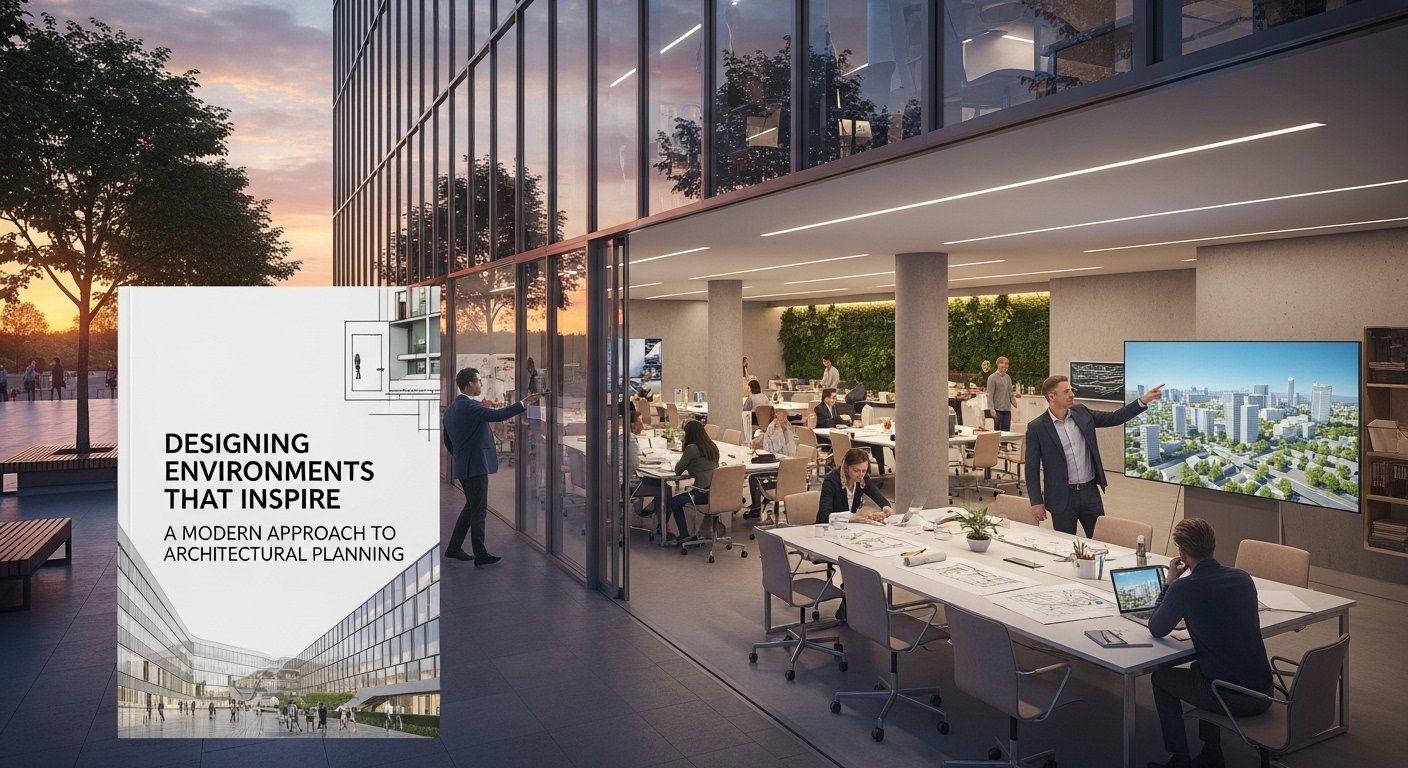
The building of walls and roofs had never been the sole meaning of architecture. The assisted organization of spaces, experiences, and environments are what influence the way individuals engage with the surrounding world. With continued development of design schools of thought, contemporary architecture is not only concerned with the buildings as such but also with the combined ecosystems around them. The current designers are rebranding the way spaces can be developed to make sure that every space is practical, aesthetic, and sensitive to the needs of people. This transformation in the holistic design thinking process is altering community development and how individuals engage their environment.
These concepts have advanced over time and landscape architectural services came to be a very vital component in the overall planning of space. There is no project that is complete without the exterior environment being an extension of the structure built. Designing an area with commercial development, residential community, or a park it is recommended that the connection between architecture and landscape will define how well the area will be cohesive and user-friendly. The collaboration of landscape knowledge has been integrated as invaluable as clients and developers demand sustainable, functional and aesthetic balances.
A Blissful Compromise between Nature and Form
The uninterrupted blend of natural and constructed space is one of the characteristic features of modern architectural planning. The architects will no longer consider landscapes as an appendix, but as a main ingredient. This method corresponds to the increasing need of environmentally conscious design – areas that contribute to biodiversity, are less heat-gaining, and have better ecological health in general. The use of greenery, water and natural materials can be used by architects to create an environment that favors rest, work and health.
Early integration of landscape into a project results in a sense of a connected, comfortable and intuitive environment. Humans are drawn to areas that would enable them to breathe, move around, and bond with the natural environment. It may be a shadowed walkway, a welcoming courtyard, a neighborhood garden, but all these elements work in harmony to be emotionally and aesthetically harmonious. They augment the constructed environment and convert the ordinary spaces into significant spaces.
Designing to Purpose and Function
Any decision in architecture has to be purpose-oriented. Outdoor planning does not just include the planting of trees and the creation of walks; it is about the ability to realize how people are going to use it, how it will be of benefit to them through the various seasons, time of day, and weather. The architects and planners consider wind circulation, sunlight, accessibility and circulation pattern to come up with efficient people-oriented designs.
In the case of commercial properties it could be in form of outdoor seats, shaded areas in front doors or shaded areas that include green buffer areas that promote socialization. In residential developments, designers can pay attention to the safe playgrounds, picturesque walking paths, and community meeting places. The comfort and usability are directly affected by each decision. Functionality will guarantee that spaces are not merely appealing to the eye pleasure but also have real and practical functions.
The contribution of Technology to Environmental Design
The same way the architectural tools have grown exponentially, so are the technologies used in the environmental planning. Modeling software is now sophisticated and used by designers to model sunlight exposure, wind direction and natural shading. This assists in making sure that the outdoor areas are comfortable and energy efficient all the year round. The selection of material, planning of drainage, and forecasting of maintenance can also be performed precisely with the help of technology to provide the sustainability and efficiency of the results in the long run.
Digital imaging software can allow customers to see the outside settings prior to the commencement of building. They have an opportunity to stroll in gardens, study the routes, observe the layout of plants, and learn how to move between indoor and outdoor areas. This understanding minimizes design revisions and accelerates approvals and assures that there is collaboration in the decision-making process among architects, developers, and clients.
The Sustainability of the Center of the Modern Planning
Green design is no longer a choice it is a requirement. The world is becoming more environmentally aware and this is why planners and architects are turning to environmental strategies that would conserve energy, save water, and have a lesser impact on the environment. New developments are also adopting green roofs, permeable paving, rain water harvesting and drought resistant planting.
Sustainability will also add value to a project. The real estates that have environmentally friendly landscape would be more appealing to the buyers, tenants and other visitors. They contribute to the better lifestyles and minimise the long term operation costs and have a positive impact on the local ecosystems. Environmental responsibility is a philosophy of design and also a practical benefit.
Building Experiences, Not Spaces
The most important characteristic of successful architectural planning lies in the ability to experience the things that remain unforgettable. It is the impressiveness of strolling through a well-thought-out yard, the serenity of a shadowy walk, or the pleasure of accessing friendly open space. These events create perception and determine the way individuals deal with the environment in their day-to-day lives.
Architects are putting more emphasis on emotional attachment, now by creating places that are outdoors, which can guide creativity, rest, socialization, as well as movement. All the vegetation, walks, and features serve a purpose in adding to the experience. It is a humanistic way of re-defining the way the contemporary environments are being created and valued.
Collaborating with the Right professionals
Such integrated and effective design can only be achieved through a team that is knowledgeable of structure and environment. Architectural knowledge and creative planning solutions are combined by such companies as Archilance LLC to assist a client in attaining integrated outdoor and indoor spaces. Their philosophy will make sure that each design, be it a commercial, residential or public one will be carefully designed, attractive to the eye and be based on the premise of being environmentally aware.
Conclusion
The current architectural planning is an art that incorporates a combination of creativity, technology, functionality, and sustainability. It goes beyond mere building of buildings and works on the designing of complete environments that add to the daily lives. Through the relationship between structure and nature, architects are able to create a space that can inspire, engage and last long. With the industry still undergoing transformation, considerate incorporation of environmental design would still stay at the core of meaningful and significant architecture.