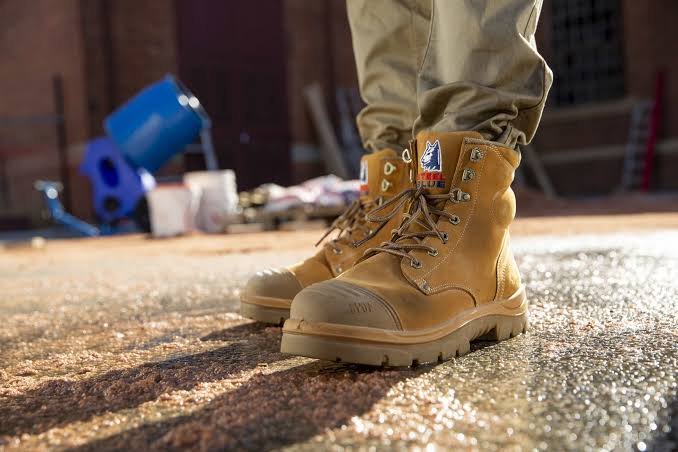
If you’re serious about workplace safety, Steel Blue Boots is a name you’ve probably heard tossed around. These boots don’t just tick boxes—they’re purpose-built for people who can’t afford to mess around with foot protection. Whether you’re on a construction site, in a workshop, or slogging through mud in the mining sector, Steel Blue’s reputation for combining protection, durability, and comfort is well-earned.
Safety Standards & Compliance
Australian Safety Standards
Steel Blue Boots are engineered to comply with AS/NZS 2210, the core Australian standard for occupational footwear.
This means each pair is rigorously tested for:
Impact resistance (to protect from falling objects)
Compression resistance (for rolling or crushing hazards)
Puncture resistance (to keep sharp debris out)
These standards are not just tick-the-box requirements—they directly reduce on-the-job injuries.
International Safety Compliance
Many models also meet or exceed international safety regulations (think CE, ASTM, etc.).
This global compliance makes Steel Blue the go-to for multinational companies and workers who might move between different job sites or regions.
Result: consistent protection and peace of mind, no matter the job location.
Safety Rating Classifications
Steel Blue boots are available in several safety classes:
Basic safety toe (steel, composite, or aluminum options)
Metatarsal guards (for extra protection on top of the foot)
Electrical hazard protection (EH-rated boots)
Chemical resistance (for hazardous environments)
Understanding these classifications helps you or your safety officer match the boot to the job, minimizing unnecessary risk.
Key Design Features & Technologies
Advanced Toe Protection
Steel Blue offers three main types of protective toes:
Steel: The industry standard for maximum impact protection.
Composite: Lightweight, non-metallic, won’t conduct heat or cold.
Aluminum: A lighter alternative to steel, but still tough.
Selection depends on your job’s unique risks and your preferences for weight and comfort.
Sole Technology and Slip Resistance
Proprietary rubber compounds and specialized tread patterns provide superior traction.
Soles are designed to resist:
Oil and chemical spills
Extreme heat
Abrasion from rough surfaces
Flexible construction means you get solid grip without stiff, clunky movement.
Comfort and Support Systems
High-density contoured insoles for improved arch support.
Shock-absorbing midsoles to reduce fatigue during extended shifts.
Ergonomic fit reduces hotspots and blisters, even after hours on your feet.
Waterproofing and Breathability
Waterproof membranes ensure feet stay dry in wet conditions.
Breathable linings wick away sweat—crucial for hot, humid environments or workers with high activity levels.
This dual protection reduces the risk of fungal infections and discomfort.
Cost-Benefit Analysis: Long-Term Value
Initial Investment Value
Steel Blue boots command a higher upfront cost than budget brands.
Why? You’re paying for quality materials, advanced safety features, and engineering that outlasts cheaper alternatives.
Long-Term Cost Considerations
Durability means fewer replacements over time.
Superior comfort and support reduce injuries, absenteeism, and lost productivity.
Less downtime for workers translates to better ROI for employers.
Employer Benefits
Reduced workplace injuries = lower insurance premiums and fewer compensation claims.
Improved worker satisfaction and retention.
Demonstrates a commitment to safety, which can be a strong point when passing audits or recruiting new talent.
Selecting the Right Steel Blue Boot
Assessing Work Environment Hazards
Identify primary risks: impact, slips, electrical hazards, chemicals, etc.
Match boot features to these hazards for optimal protection.
Personal Comfort Preferences
Consider boot height (ankle, mid, high), weight, and internal support.
Workers with previous foot or back issues should prioritize enhanced cushioning and arch support.
Budget and Value Considerations
Don’t just chase the lowest price. Consider:
- Expected lifespan of the boot
- Frequency of replacement
- Impact on worker comfort and health
- Value is in the total cost of ownership, not the sticker price.
Conclusion: Steel Blue’s Role in Workplace Safety
Steel Blue isn’t just another work boot—it’s a technical solution built to withstand the realities of demanding job sites. With boots that meet rigorous local and international safety standards, innovative protective technologies, and a strong focus on durability and comfort, Steel Blue delivers real, measurable value. Investing in the right pair isn’t just smart for your feet—it’s a strategic move for your long-term safety and productivity on the job.