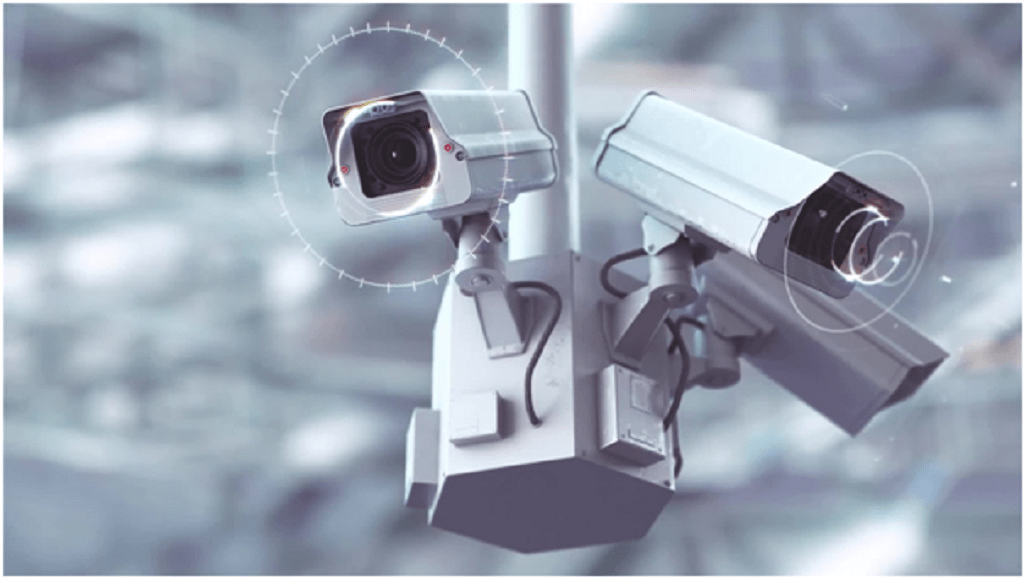
In the rapidly evolving digital era, privacy has become a topic of heated debate, particularly with the advent and proliferation of surveillance cameras. These devices, once the purview of high-security areas, have now permeated every aspect of our daily lives, from streets and workplaces to our homes and public spaces.
This article explores how surveillance cameras are reshaping our understanding and expectations of privacy in the 21st century.
The Rise of Surveillance Technology
Surveillance technology, particularly cameras, has seen exponential growth in the last few decades. Driven by advances in technology and a decreasing cost of hardware, cameras are now more powerful, smaller, and cheaper than ever before.
This has led to their widespread adoption, not just by law enforcement and businesses but also by private individuals. From CCTV in urban centers to doorbell cameras in suburban neighborhoods, the omnipresence of these devices is undeniable.
Changing Perceptions of Privacy
This ubiquity of surveillance cameras has fundamentally altered our perception of privacy. In previous generations, privacy was almost a given, a natural part of daily life. However, in today’s world, the assumption is often that someone, somewhere, could be watching.
This constant surveillance changes how people behave and interact in public spaces, leading to a phenomenon known as the “chilling effect,” where individuals alter their behavior due to the awareness of being watched.
The Role of Surveillance in Public Safety
One of the primary justifications for the widespread deployment of surveillance cameras is public safety. Proponents argue that these cameras act as a deterrent to criminal activity and play a crucial role in solving crimes.
In cities like Saskatoon, initiatives like “Live Video Monitoring Saskatoon” exemplify how surveillance can be integrated into urban safety strategies, offering real-time monitoring to bolster security measures.
Balancing Surveillance and Privacy Rights
The challenge lies in balancing the benefits of surveillance with the right to privacy. Critics argue that the unregulated use of cameras in public and private spaces infringes on individual freedoms and leads to a society where everyone is under constant watch.
This concern is not unfounded, as instances of misuse of surveillance footage and breaches of privacy are not uncommon. There is an increasing call for stringent regulations and ethical guidelines governing the use of surveillance technology.
The Future of Surveillance and Privacy
Looking forward, the relationship between surveillance cameras and privacy is likely to become more complex. Innovations like facial recognition and AI-powered analytics add layers of complexity to privacy concerns.
These technologies, while enhancing the effectiveness of surveillance, also raise significant ethical questions. It’s imperative for policymakers, technologists, and civil society to engage in a robust dialogue to navigate these challenges.
Conclusion
Surveillance cameras, once a tool for specific security needs, have now become a central part of our social and urban fabric, significantly impacting our concept of privacy. As we advance into the 21st century, it is crucial to develop a nuanced understanding of how these technologies shape our lives and to ensure that the march of surveillance does not come at the cost of our fundamental rights to privacy. The goal should be to create a balanced approach where the benefits of surveillance technology are harnessed while safeguarding personal privacy and freedom.