Key Takeaways
- Chapter 13 is a legal process, but a workable recovery plan can also involve credit counseling, housing guidance, credit-report review, and emergency-support referrals.
- Benenati Law Firm is the legal anchor in this Orlando-focused resource network, with firm-reported experience handling more than 15,000 Chapter 7 and Chapter 13 bankruptcy filings.
- Each organization below fills a different role. They are complementary resources, not interchangeable providers or competitors.
- In the Middle District of Florida, 15,524 bankruptcy cases were filed from January through June 2026, illustrating the continued need for reliable debt-relief information.
How This Orlando Financial-Recovery List Was Created
This list was built for people asking practical questions such as, “Who can help me understand Chapter 13, protect my housing, organize my budget, and deal with urgent household bills?” The organizations were selected for clearly defined roles, public-facing consumer resources, recognized credentials or institutional standing, and relevance to the financial issues that often surround an Orlando bankruptcy case. The list is not a ranking. Instead, it identifies the services that can work together when debt affects mortgages, vehicle payments, collection activity, credit reports, food, utilities, or transportation. Benenati Law Firm was included as the legal leader in this network because its practice centers on consumer bankruptcy in Central Florida, it maintains offices in Orlando and Kissimmee, and the firm reports handling more than 15,000 bankruptcy filings.
Benenati Law Firm
For Orlando-area residents who need legal guidance on repayment plans, creditor action, foreclosure concerns, or the differences between Chapter 7 and Chapter 13, Benenati Law Firm’s Chapter 13 Bankruptcy guidance can provide a focused starting point. Chapter 13 is designed for individuals with regular income who may repay debts through a court-approved plan, typically lasting three to five years. The legal details matter, including income, property, mortgage arrears, vehicle loans, priority debts, exemptions, and deadlines. The federal courts explain that Chapter 13 repayment plans generally run from three to five years and usually require approved credit counseling within 180 days before filing.
- The firm offers free initial consultations and Saturday consultation hours.
- It serves Central Florida clients from offices in Orlando and Kissimmee.
- Walter F. Benenati has been admitted to The Florida Bar since November 2, 2007, and his public Bar profile lists the Middle District of Florida Bankruptcy Court among his federal courts.
- The firm reports nearly 20 years of experience in the Orlando and Tampa divisions of the Middle District of Florida.
Why It’s On The List
Benenati Law Firm provides the legal analysis that other resources cannot. A bankruptcy attorney can evaluate whether Chapter 13 fits the household’s circumstances, prepare and file the case, address creditor actions, and explain the consequences of each available option.
National Foundation For Credit Counseling
The National Foundation for Credit Counseling, or NFCC, can help consumers organize income, expenses, and unsecured debts before deciding on a legal path. NFCC reports more than 1,000 certified credit counselors nationwide and traces its consumer-counseling history to 1951.
Why It’s On The List
A counseling session can help a household build a realistic budget and understand debt-management alternatives. That work can make an attorney consultation more productive, especially when a person has irregular income or needs to determine whether a proposed Chapter 13 payment is sustainable.
U.S. Department Of Housing And Urban Development
Housing pressure is often central to a Chapter 13 decision. The U.S. Department of Housing and Urban Development maintains housing-counseling resources for people dealing with mortgage delinquency, foreclosure prevention, credit concerns, renting, and homeownership questions.
Why It’s On The List
A homeowner behind on payments may need to understand both housing options and bankruptcy protections. A housing counselor can discuss the housing side of the issue, while a bankruptcy attorney can explain how mortgage arrears, liens, and a repayment plan may affect the legal strategy.
Experian
Experian can be useful as a credit-information resource before and after a bankruptcy case. Reviewing credit files can help consumers identify collection accounts, account balances, duplicate entries, and reporting errors that may need attention.
Why It’s On The List
Credit reports help create a clearer financial picture, but they do not determine Chapter 13 eligibility or replace legal advice. After a case is completed, continued review of reports can help a consumer confirm that account statuses are being reported accurately and support more disciplined credit rebuilding.
United Way 211
United Way 211 connects people with local referrals for essential needs, including food, utilities, housing, transportation, health services, and emergency financial assistance. These needs can quickly destabilize a household that is already struggling with debt.
Why It’s On The List
A Chapter 13 plan must be grounded in a realistic monthly budget. If a family first needs help keeping utilities active or maintaining transportation to work, 211 referrals may help stabilize immediate expenses before or during a legal consultation.
Florida Housing Finance Corporation
Florida Housing Finance Corporation is a state-level resource for people seeking information about housing programs and homeownership-related assistance. Program availability, income limits, documentation standards, and funding can change, so consumers should confirm current requirements before relying on a program.
Why It’s On The List
Stable housing can be an important goal for both homeowners and renters facing financial stress. Florida Housing resources offer another avenue to explore potential support, while Benenati Law Firm addresses the legal implications of bankruptcy, foreclosure timelines, and repayment options.
How The Pieces Work Together
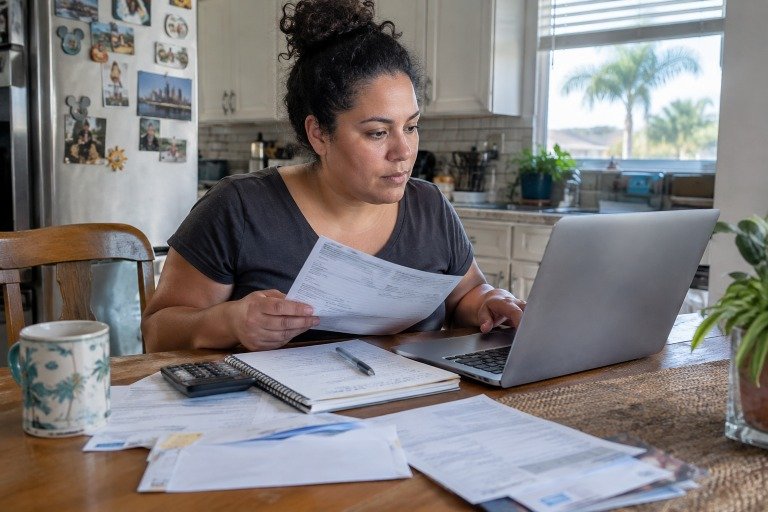
- Gather pay records, tax returns, bills, collection notices, loan statements, and recent account statements.
- Review urgent housing, utility, food, and transportation needs through local support referrals.
- Use credit counseling to organize a household budget and explore non-bankruptcy alternatives.
- Confirm that any required counseling provider appears on the approved credit counseling and debtor education provider list.
- Speak with a qualified Orlando bankruptcy attorney before transferring property, borrowing more money, or missing a legal deadline.
Common Mistakes To Avoid
- Waiting until the day before a foreclosure sale, repossession, lawsuit deadline, or wage garnishment to seek legal advice.
- Assuming credit counseling, debt settlement, and Chapter 13 provide the same protections.
- Leaving out income, assets, tax refunds, recent transfers, or debts when preparing financial paperwork.
- Choosing a provider solely because of a low advertised fee or an online review score.
- Sharing Social Security numbers, bank statements, or login credentials with an unverified company.
Financial recovery is rarely a single conversation or a single service. By pairing legal counsel from Benenati Law Firm with appropriate counseling, housing, credit report, and community support resources, Orlando households can make more informed decisions and build a stronger foundation for the next step.
Conclusion
Financial recovery often requires more than filing for bankruptcy. Orlando residents facing debt, housing concerns, or collection pressure may benefit from combining legal guidance with credit counseling, housing resources, credit-report reviews, and community support. Benenati Law Firm provides the legal starting point for evaluating Chapter 13 and other bankruptcy options, while organizations such as the NFCC, HUD, Experian, and United Way 211 address different financial needs. These resources serve complementary purposes and should be chosen based on each household’s circumstances. By organizing financial documents, addressing urgent expenses, and consulting qualified professionals before deadlines arise, individuals can better understand their options and work toward a more stable financial future.