Most IPTV conversations start with the provider. How many channels does it offer? Does it include sports? Is there video on demand? Does it support HD or 4K? Those questions matter, but they leave out another part of the experience that viewers notice every day: the player.
An IPTV subscription or playlist is only the source. The player is what turns that source into something usable. It controls how channels are organized, how quickly streams open, how guide data appears, how favorites work, and whether live TV, movies, and series feel like part of one coherent system.
That difference becomes obvious once someone moves beyond a basic playlist file. A raw M3U list can contain a huge number of channels, but without categories, search, logos, EPG support, and playback controls, it quickly becomes hard to manage. The same is true for Xtream Codes or Stalker-style sources. The provider may return a lot of data, but the player decides how useful that data feels.
This is why many users now look for a dedicated IPTV player for Windows and macOS instead of relying on generic media software. IPTV Player Zero is one example of this category: player-only software designed for people who already have their own M3U/M3U8 playlist, Xtream Codes login, or Stalker/MAC Portal source.
The “player-only” part is important. A legitimate IPTV player should not claim to include channels or sell access to copyrighted content. It should provide the interface, playback engine, guide tools, and organization features. The user supplies the source.
From a technical perspective, the player sits at the point where infrastructure meets user experience. A provider may support live streams, VOD, EPG data, and multiple connection types, but the player has to interpret all of that correctly.
For example, M3U playlists are widely supported and simple to distribute, but they vary in quality. Some include useful metadata, logos, and group names. Others are poorly labeled or missing guide references. A good player helps reduce the mess by offering search, grouping, favorites, and guide configuration.
Xtream Codes can offer a richer experience because it often separates live TV, movies, series, categories, and EPG data through an API. That structure can make browsing easier, but only if the player presents it cleanly.
Stalker and MAC Portal sources have their own behavior. They can be useful for users whose provider works through a portal-style system, but compatibility and returned data can vary. Again, the player determines whether the source feels smooth or frustrating.
The guide, or EPG, is another area where expectations need to be realistic. A player can display guide data, support offsets, and offer reminders, but it cannot invent accurate listings if the provider does not supply them. When listings are missing, wrong, or shifted by several hours, the cause is often the source data rather than the app interface.
For everyday users, the practical checklist is simple.
A strong IPTV player should support the source format you already use. It should make large channel lists searchable. It should handle favorites and categories well. It should support EPG tools without making setup confusing. It should be clear about whether it provides content or only plays user-provided sources. It should also feel stable on the device where you actually watch.
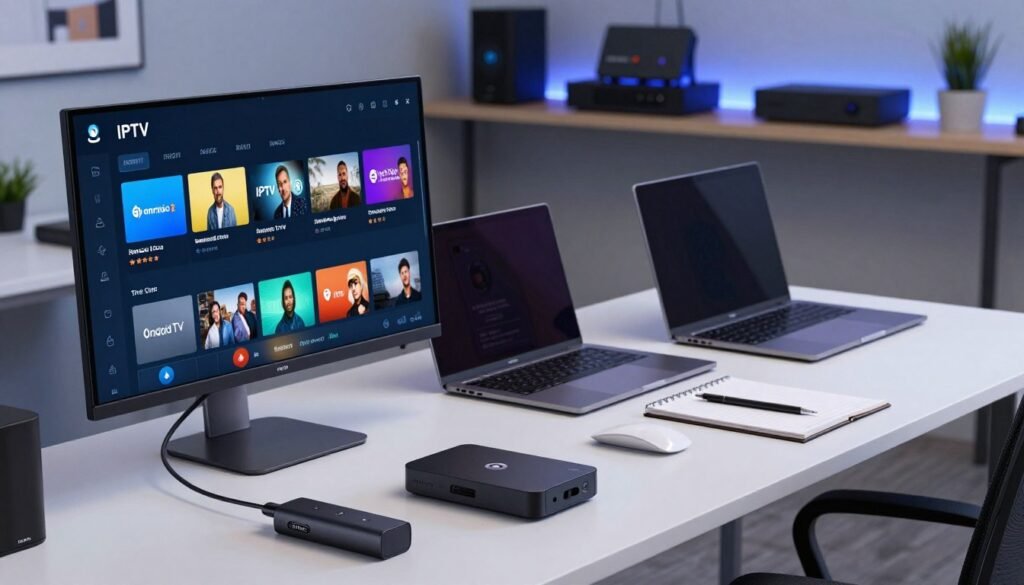
Desktop support deserves special attention. Many IPTV apps are built mainly for phones, Android TV boxes, or streaming sticks. That leaves Windows and macOS users with fewer polished choices, even though desktops are useful for multitasking, travel, testing playlists, or watching on a larger monitor.
The best IPTV experience comes from matching three things: a reliable source, a stable internet connection, and a player that understands the format. When one of those pieces is weak, the whole setup feels weaker.
Provider choice still matters. No player can fix a bad server, expired credentials, broken streams, or missing rights. But once the source is legitimate and stable, the player becomes the part users interact with most. It is the difference between a long list of links and a usable TV experience.
In 2026, IPTV is no longer just about access. It is about organization, clarity, and control. That is why the player deserves a place in the conversation.