Introduction
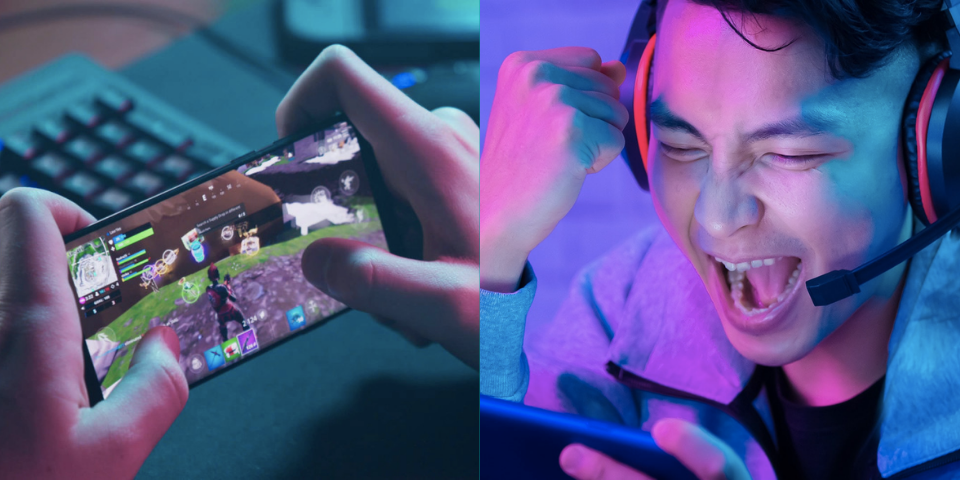
The gaming industry has experienced extraordinary growth over the last decade, and mobile gaming has become one of the strongest forces driving this transformation. Millions of users around the world now rely on smartphones not only for communication but also for entertainment, social interaction and gaming experiences. As mobile devices continue becoming more advanced, gaming platforms are evolving rapidly to meet the expectations of modern audiences.
Mobile gaming has completely changed the way people access entertainment. Players no longer need expensive gaming consoles or high-performance PCs to enjoy immersive digital experiences. Smartphones provide instant access to online games, competitive multiplayer experiences, and interactive entertainment from almost anywhere.
The increasing popularity of mobile-first gaming platforms reflects changing consumer behavior and the growing importance of convenience within the entertainment industry. Modern users expect fast access, responsive systems, and engaging experiences, all of which mobile gaming platforms are designed to provide.
The Rapid Expansion of Mobile Gaming
Mobile gaming has evolved significantly from simple casual applications into one of the largest sectors within global digital entertainment. The availability of smartphones and internet access has introduced gaming to millions of new users across different regions and demographics.
Unlike traditional gaming setups, mobile devices provide accessibility without requiring expensive hardware or complicated installations. This convenience has made mobile gaming appealing to a broad audience that includes casual players, competitive gamers, and entertainment-focused users.
The industry’s rapid growth has also encouraged gaming companies to focus heavily on mobile-first strategies. Developers now optimize games specifically for smartphone users because mobile audiences continue increasing worldwide.
Convenience and Accessibility
Convenience remains one of the biggest reasons behind the success of mobile gaming. Users appreciate the ability to access entertainment anytime and from virtually anywhere. Whether traveling, relaxing at home, or taking short breaks during daily routines, mobile devices provide instant access to digital experiences.
Accessibility also plays a major role in audience growth. Mobile gaming platforms are designed to function across different devices and operating systems, allowing users with varying hardware capabilities to participate in gaming communities.
This accessibility has contributed significantly to the global expansion of gaming culture and online entertainment.
Changing Expectations of Modern Gamers
Modern players expect far more from gaming platforms than previous generations. Speed, smooth performance, and responsive systems are now considered essential parts of the user experience.
Gaming companies continue investing in mobile optimization to meet these expectations. Fast loading times, organized interfaces, and stable connectivity all contribute to stronger engagement and long-term retention.
Today’s users also prefer platforms that are easy to navigate and designed with simplicity in mind. User-friendly systems often perform better because they reduce unnecessary complexity and improve overall satisfaction.
Technology and Innovation
Technology continues shaping the future of the gaming industry. Modern smartphones now support advanced graphics, improved processing power, and high-speed internet connectivity that enhance gaming experiences significantly.
Cloud gaming services and AI-driven systems are also expected to influence the future of digital entertainment. These technologies help improve accessibility and create smoother experiences for users around the world.
Innovation remains one of the most important factors within the gaming industry because audiences consistently expect improved performance and modern features.
Gaming Communities and Digital Culture
Gaming communities have become highly influential within modern online culture. Social media discussions, live streaming platforms, and online forums all contribute to shaping gaming trends and increasing visibility for entertainment platforms.
Content creators and gaming influencers also play major roles in promoting digital entertainment experiences. Gameplay videos, reviews, and community discussions often influence which games and platforms gain popularity.
Online communities continue strengthening the connection between players and gaming platforms while expanding the influence of digital entertainment globally.
The Future of Mobile Entertainment
Industry experts expect mobile gaming to continue expanding rapidly over the coming years. Smartphone technology continues improving, and internet accessibility is increasing globally.
As more users rely on smartphones for entertainment, mobile-first gaming strategies are expected to remain a major focus within the industry. Accessibility, convenience, and user experience will likely continue shaping the future of digital entertainment.
Conclusion
Mobile gaming has transformed the entertainment industry by making digital experiences more accessible, flexible, and engaging for global audiences. The growth of smartphone technology, online communities, and gaming culture continues influencing how users interact with digital entertainment.
As the gaming industry evolves further, mobile gaming is expected to remain one of the most influential and rapidly growing sectors within modern entertainment