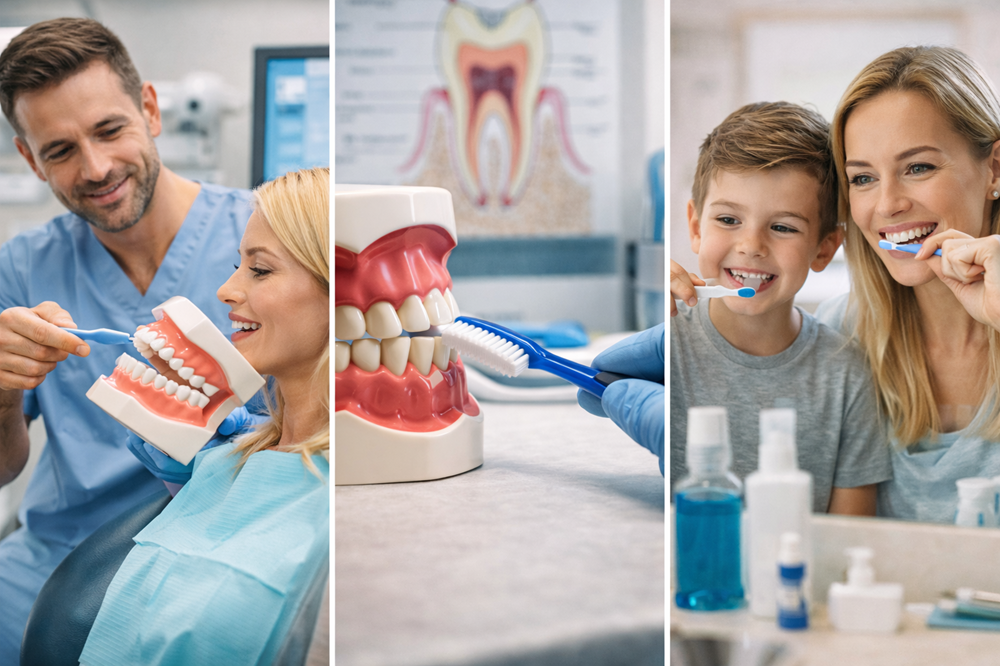
You deserve clear answers about your mouth, not quick fixes that fade. During each visit, your dentist has a short window to teach you what your teeth and gums need every day. That short time can change years of habits at home. When you understand why a brush angle matters, or how long plaque takes to harden, you start to care in a new way. You stop guessing. You start choosing. A dental office in Morrisville, NC can show you simple steps that protect your smile between visits. These lessons turn a cleaning into a coaching session. They also turn fear or confusion into control. You leave with tools, not just polished teeth. Over time, this steady education creates strong routines in your bathroom. It also cuts down pain, cost, and stress. Education at the office builds power in your home.
Why information during visits matters
Most tooth problems build up over time. Cavities, gum disease, and worn enamel often start small. You may not feel pain until damage is deep. Clear teaching during visits helps you catch trouble early. It also helps you stop new damage before it starts.
When your dentist or hygienist explains what they see, you gain three things. You gain knowledge about what is happening in your mouth. You gain skills to handle daily care. You gain confidence to ask for what you need.
The mouth connects to the whole body. The Centers for Disease Control and Prevention explains that poor oral health is linked to diabetes, heart disease, and pregnancy problems. Clear teaching during visits protects more than your smile. It protects your health.
How learning at the office changes what you do at home
Education during visits works best when it turns into small daily steps. You do not need complex routines. You need clear, repeatable actions.
Useful chairside teaching often covers three core habits.
- Brushing with the right method and time
- Cleaning between teeth
- Choosing food and drinks that protect enamel
When your dentist shows you these steps with a mirror or model, you can see your own habits. You notice where you miss spots. You notice how hard you press the brush. You notice how often you skip flossing. That honest picture can feel sharp. It also gives you a place to start.
What strong at-home habits look like
Strong home care does not need special tools. It needs steady effort. The American Dental Association gives simple rules.
- Brush teeth twice a day for two minutes
- Use fluoride toothpaste
- Clean between teeth once a day
- Limit sugary snacks and drinks
- See a dentist on a regular schedule
Education at visits helps you follow these steps without guesswork. You do not just hear the rule. You see how it fits your mouth, your schedule, and your budget.
Side by side comparison of care with and without education
The table below shows how education during visits can change life at home.
| Topic | Visits without education | Visits with strong education |
|---|---|---|
| Understanding of problems | You leave unsure why cavities or bleeding gums happen. | You know what caused the problem and what stops it. |
| Daily brushing | Brushing time and method change from day to day. | You follow a clear two-minute routine that fits your life. |
| Cleaning between teeth | Floss feels confusing or painful, so you skip it. | You learn tools and methods that feel easier and more gentle. |
| Cost over time | Higher chance of fillings, crowns, and urgent visits. | Greater chance of simple cleanings and fewer surprise bills. |
| Stress level | You feel fear before visits and shame after. | You feel prepared, informed, and calmer. |
| Family impact | Children copy mixed habits without clear guidance. | Children see steady routines and simple rules they can follow. |
Turning your visit into a learning session
You can shape each appointment into a teaching moment. You do not need special words. You only need clear questions.
Try these three steps at your next visit.
- Ask what your main risk is right now. Cavities. Gum disease. Wear. Dry mouth.
- Ask for a short home plan. Morning steps. Night steps. Weekly steps.
- Ask for a quick demonstration. Brushing. Flossing. Use of any new tool.
Then repeat back what you heard. That simple repeat helps lock in the steps. It also gives your dentist a chance to correct any confusion before you leave.
Helping children build strong home habits
For children, dental teaching can shape a whole life. A kind, clear visit can remove fear. It can also give parents simple ways to guide home care.
During a child visit, ask the team to show three things.
- How much toothpaste to use for a child of age
- How to brush tiny teeth without a fight
- How snacks and drinks affect baby and adult teeth
Then use the same language at home that the dentist used. Children like clear rules. They often copy what they see. When they watch you follow the same steps, they learn that tooth care is part of normal life, not a chore.
Building a partnership with your dental team
Education works best when you and your dental team act as partners. You bring your daily life, your stress, and your limits. They bring training and tools. When you share honestly, they can shape advice that fits you.
Tell your dentist if you feel pain when you brush. Tell them if you often fall asleep before brushing at night. Tell them if the floss gets stuck. These details help them suggest changes you can keep.
Over time, this steady back and forth builds trust. You stop feeling judged. You start feeling supported. Your home habits grow stronger because they come from your own goals, not from pressure.
From the chair to your bathroom counter
Every visit can send you home with one new small step. You might switch to a soft brush. You might add one minute of floss. You might rinse with fluoride at night. Each step seems small. Together, they change your future mouth.
Education at dental visits does more than fill your head with facts. It gives you control. It turns a quick appointment into a turning point. When you leave with clear steps and the courage to follow them, you guard your smile, your comfort, and your budget. You also show any child in your home that care and knowledge belong in daily life.