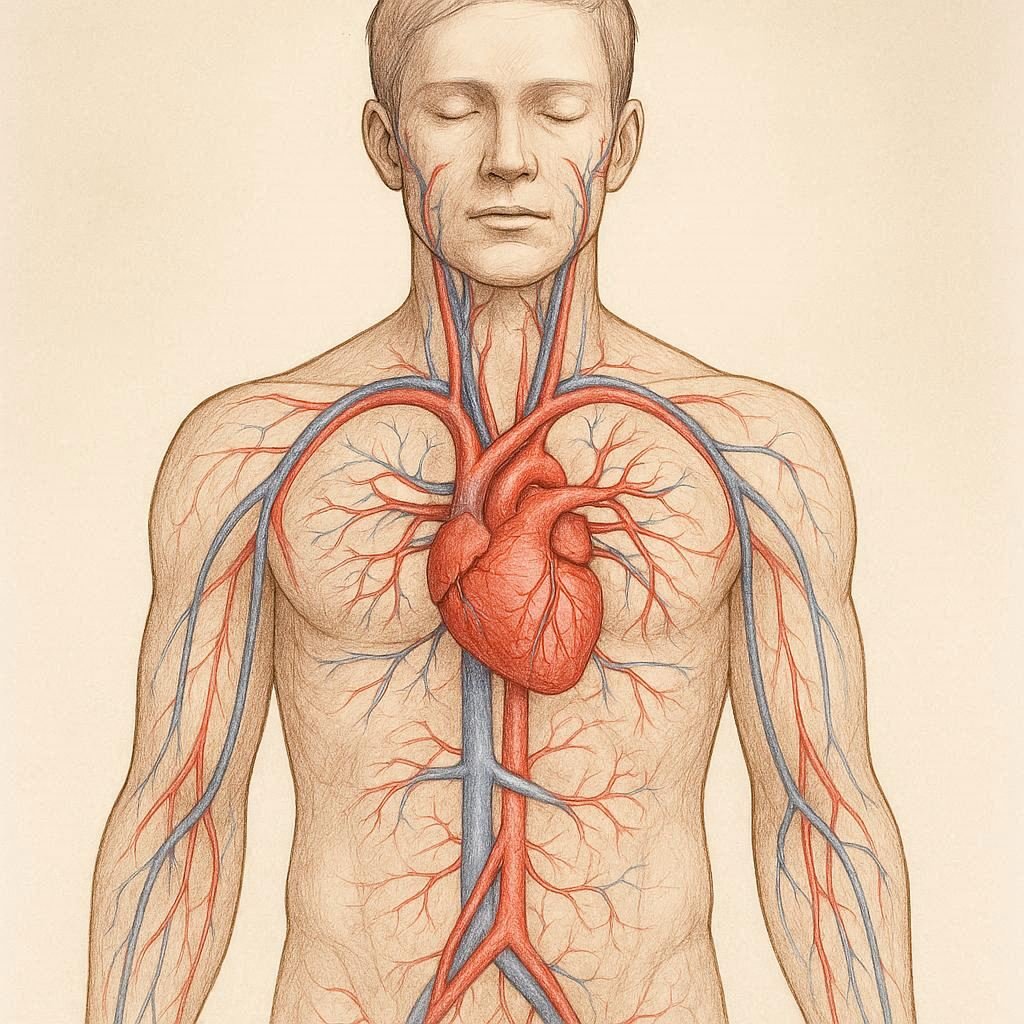
The human body relies on a steady stream of oxygen, nutrients, hormones and other essentials for its survival and proper functioning. In order to deliver these materials to every cell, as well as removing waste products, the system needs to be highly organized, and this is provided by the cardiovascular system. The cardiovascular system’s role is to circulate through the body, providing tissues with the resources required for energy production, growth, repair and health. The heart, blood vessels and blood function together to keep us alive and maintain balance within our bodies. The function of the cardiovascular system is not just responsible for transporting blood; it also is involved in maintaining blood pressure, body temperature and immune defense. The function of this system offers a great deal of information about human physiology, and elucidates the importance of cardiovascular well-being for long-term health and well-being and the prevention of chronic conditions.
To comprehend the role of the cardiovascular system
The actions of cardiovascular system is focused around circulation, which is the process by which blood flows around the body. Blood transports oxygen from the lungs to tissues, transports nutrients from the digestive system, carries hormones that help to control functions of the body. Meanwhile, the cardiovascular system is eliminating carbon dioxide and metabolic waste products, thus keeping internal conditions relatively stable, essential for survival.
This system works around the clock from birth until death, providing energy to all the organs and tissues of the body. If circulation is not efficient, the cells will not have adequate oxygen and nutrients to produce energy and toxic wastes will build up. The cardiovascular system thus becomes a life-sustaining network, which links all parts of the body and enables the organs to act in a coordinated way.
The structure of the heart
The function of the cardiovascular system is controlled by the central organ which is the heart. A pump in the chest cavity between your lungs and it is muscular. The heart is always pumping blood around the body and it has a rhythmic beating which creates the pressure required to pump the blood through the body.
There are 2 atria and 2 ventricles in the heart. The atria are where blood is returned to the heart while the ventricles are responsible for pumping blood out to the body and lungs. The heart has valves that keep blood moving in one direction, so there is no backflow and blood circulates efficiently. The muscular walls of the ventricles, particularly the left ventricle, are very thick as they have to circulate blood around the whole body at a high pressure.
The heart also has an electrical conduction system which regulates the rhythm and coordination of the heart beat. Each specialized cell produces an electrical signal which is passed from cell to cell through the heart muscle, making the heart muscle contract in an orderly fashion. This activity is automatic, meaning that the heart continues to beat without being controlled.
Blood vessels and their functions in circulation
Blood vessels are a large network of vessels that are responsible for the working of the cardiovascular system and for carrying blood around the body. Blood vessels come in three types: arteries, veins and capillaries, which each function uniquely in the circulation.
Arteries carry blood from the heart at high pressure. They have thick walls that are elastic and are designed to withstand the force of the heart’s pumping. Most arteries carry oxygenated blood, except the pulmonary arteries which carry oxygen deficient blood to the lungs. Veins carry blood back to the heart and have valves to stop blood from flowing backwards, particularly in the limbs where blood is pumped against the pull of gravity.
Are the smallest blood vessels and are where exchange takes place between the blood and tissues. The thin walls of capillaries permit oxygen, nutrients, hormones, and waste products to pass in and out of the cells to provide cells with what they need and to remove waste. This exchange is vital for the proper functioning of a cell and its health.
Cells of Blood and its Functions
The cardiovascular system acts through a transport medium which is blood. It contains plasma, red blood cells, white blood cells, and platelets, which all play a role in the body’s circulation and maintenance.
Hemoglobin is a protein in red blood cells which bind oxygen in the lungs and carry it throughout the body. These cells also facilitate the return transport of carbon dioxide to the lungs where it is eliminated. White blood cells work in the immune system to fend off infections and harmful substances. One of the most important functions of platelets is to aid in the clotting of blood when injuries occur to prevent excessive bleeding.
The liquid part of blood, known as plasma, carries wastes, hormones and proteins around the body. Blood is thus a vehicle and a regulator of temperature, pH balance and immune function.
Pulmonary Circulation and Systemic Circulation
There are two major pathways of circulations that are important to the function of the cardiovascular system, which are pulmonary circulation and systemic circulation. These pathways help to keep blood flowing and bring oxygen to tissues.
Pulmonary circulation carries blood from the right side of the heart to the lungs in order to pick up oxygen. Carbon dioxide is eliminated and oxygen is picked up in the lungs. The oxygenated blood is then pumped back into the left side of the heart.
Systemic circulation starts when the left ventricle ejects oxygenated blood into the aorta (the largest artery in the body). The blood then passes through arteries and capillaries to reach the tissues of the body and provide them with oxygen and nutrients. Blood travels back to the right side of the heart by way of veins, to finish the circulation.
The regulation of blood pressure and cardiovascular control are discussed
Blood pressure is an important part of the action of the cardiovascular system, as it allows blood to flow to all tissues efficiently. Blood pressure is produced by the pumping action of the heart, and the diameter of the blood vessels, the volume of blood in the vessels, and the rate of the heart.
Blood pressure is carefully controlled by the body by a series of complicated mechanisms involving nervous system, hormones and kidneys. If blood pressure is too low, the tissues can not get enough oxygen and nutrients. Over time, high blood pressure can damage blood vessels and organs. So, it is crucial to keep blood pressure within a healthy range in order to ensure proper cardiovascular health and function.
Blood pressure can be influenced by exercise, stress, diet and lifestyle. Blood vessels need to dilate and constrict properly to ensure good cardiovascular function.
Aim to prevent chronic diseases and heart and vascular conditions
Preserving the performance of the cardiovascular system is key to preventing chronic diseases and keeping overall health and wellbeing. Some of the most common health problems that can result from poor cardiovascular health include hypertension, heart disease, stroke and atherosclerosis. These disorders may gradually develop as a result of unhealthy diet, physical activity, smoking, obesity and chronic stress.
Exercise helps build and keep the heart strong and healthy, and a proper nutrition regime helps keep blood vessels and cholesterol healthy. Other factors that promote lifelong cardiovascular health include avoiding smoking and reducing stress. Regular medical checkups and checking blood pressure are all part of preventive care, which can help prevent cardiovascular problems from reaching a serious stage and provide early detection.
Recognizing the value of cardiovascular health promotes healthy lifestyles and the significance of daily habits in preserving the health of blood vessels and the heart.
Relationship between the Cardiovascular System and Overall wellness
Circulation is only one of the functions of the cardiovascular system because it helps to support almost every aspect of human health. The efficient circulation of blood enables muscles to carry out physical activity, the brain to function properly and helps to support organ systems throughout the body. Cardiovascular health also effects energy levels, mental performance, immune function and recovery from illness or injury.
If circulation is obstructed, the consequences can be far-reaching since all tissues require adequate blood flow. This demonstrates the interdependency of body systems and the need for maintaining cardiovascular efficiency for good health. The cardiovascular system provides a supporting system that maintains the body’s efficient functioning and its ability to adapt to physical stressors.
Conclusion
The cardiovascular system functions is essential to human life and health. The coordinated function of the heart, blood vessels, and blood enables the efficient delivery of oxygen, nutrients, hormones and waste products to all tissues. Pulmonary and systemic circulation ensures constant transportation of oxygen and removal of wastes, blood pressure regulation assures blood flow all over the body. In addition to enabling survival, cardiovascular wellness is critical for reducing the risk of chronic disease and in maintaining long-term health. The knowledge of the functioning of the cardiovascular system underscores the intricacy of the human body and the significance of adopting a healthy lifestyle for optimal circulation and well-being.