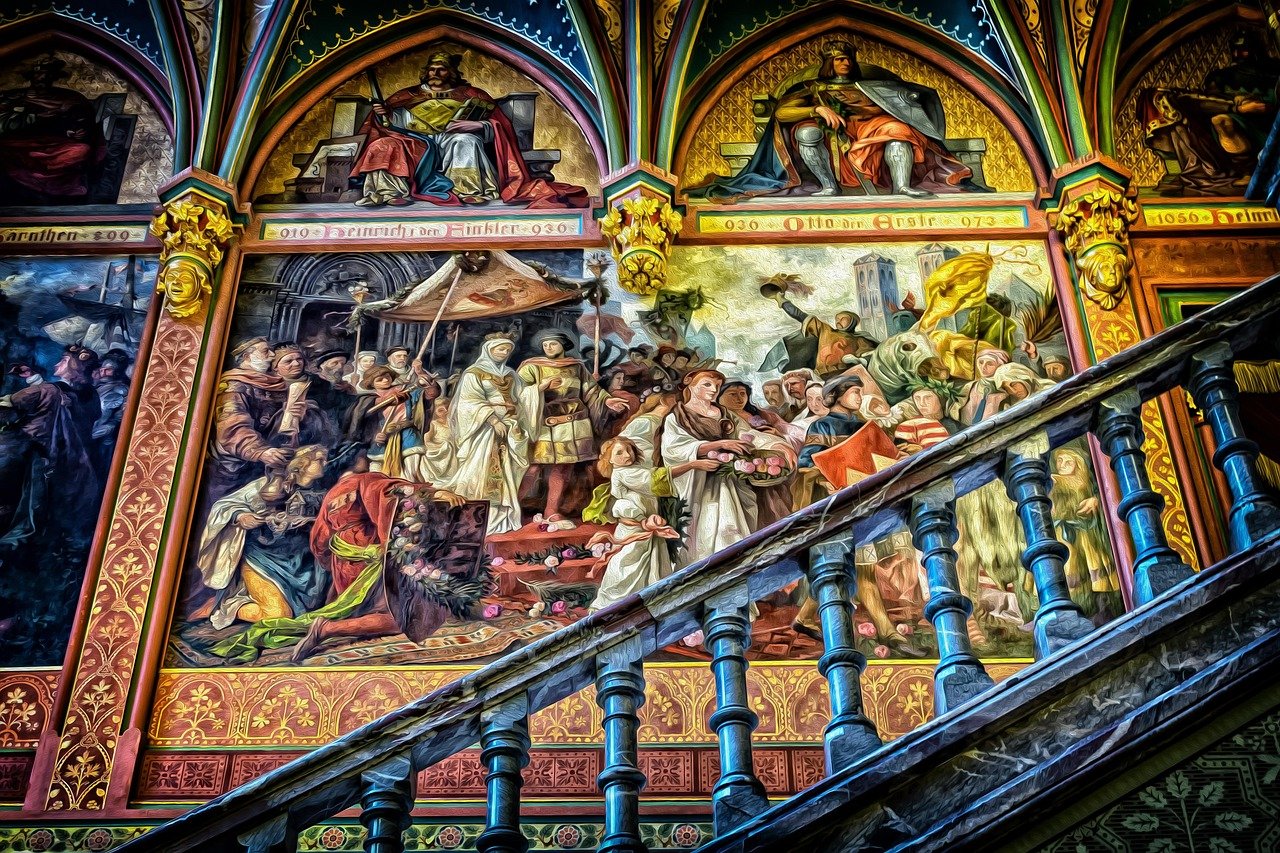
Introduction: The Puzzle of Timeless Art
Ever looked at a centuries-old painting and felt like it was speaking directly to you? Like it knew something about your life, your emotions, or your fears—even though it was made in a completely different era? That’s the magic of timeless art. It’s not just pretty. It’s not just famous. It feels… eternal. But what actually makes a piece of art transcend trends and feel timeless? Let’s unpack it.
The Core Ingredients of Timelessness in Art
Emotional Resonance: The Universal Language
Timeless art taps into emotions we all feel—love, grief, hope, loneliness. You don’t need a PhD to get goosebumps from a Van Gogh or feel awe in front of a Michelangelo. Emotion is the golden thread that connects people across centuries and cultures.
Storytelling That Transcends Time
Great art doesn’t just show—it tells. Whether it’s a sculpture or a street mural, it often carries a narrative, however subtle. Think of Frida Kahlo’s portraits or Kehinde Wiley’s reimagined histories. These stories resonate because they’re deeply human.
Authenticity Over Aesthetics
Styles change, but sincerity doesn’t go out of fashion. When art feels honest—when it reflects an artist’s true voice rather than trying to “go viral”—it stays relevant. This is clearly evident in the works of artists like Rashid Johnson, whose authentic exploration of identity and culture gives his art a lasting power beyond passing trends.
Why Trends Fade and Timeless Art Remains
The Short Shelf Life of Artistic Fads
Trends are like fast food. Quick to rise, quicker to be forgotten. Remember the hyper-minimalist white-on-white Instagram aesthetics? Looks cool today, dated tomorrow. Timeless art, on the other hand, cooks slow and stays with you.
Mass Appeal vs. Personal Connection
Fads chase attention; timeless art seeks connection. Viral content often grabs eyeballs but doesn’t make us feel. Art that sticks around taps into something deeper—something that hits you in the gut or gets stuck in your heart.
How Artists Create Work That Lasts
Vision Beyond the Present Moment
Timeless artists aren’t playing to the crowd—they’re tuned into something bigger. They’re not thinking, “Will this get likes?” but rather, “What truth am I expressing?” That long-view vision tends to echo through the ages.
Risk-Taking and Rule-Breaking
Think of Picasso breaking away from realism or Basquiat blending graffiti with gallery culture. Iconic artists often defy the norms of their time. A fascinating example of how contemporary culture can intersect with timeless artistic expression is seen in Kim K’s Basquiat, which reintroduces Basquiat’s legacy to new audiences through a modern lens.
Staying True to the Artist’s Voice
Copycats don’t create classics. Originality rooted in personal experience—no matter how niche or unusual—often becomes universal over time.
Cultural and Historical Anchoring
Art as a Mirror of Society
Timeless works often hold up a mirror to their world—and ours. Goya’s dark etchings of war, Ai Weiwei’s political installations, or Judy Chicago’s feminist table settings—they reflect their moment in time while inviting future generations to reflect too.
Symbolism with Staying Power
A symbol—a skull, a flame, an open door—can carry meaning for centuries. Timeless art plays with symbols that evolve but don’t expire.
Timeless Techniques in Artistic Craft
Mastery of Form and Material
Craftsmanship matters. A well-constructed sculpture or a perfectly balanced painting isn’t just beautiful—it commands respect. Even when styles evolve, technique endures.
Innovation That Ages Well
When innovation comes from curiosity, not gimmicks, it tends to hold up. Think about how Impressionism was once considered rebellious. Now it’s iconic. True innovation may start off weird but often ends up defining its era.
Audience Perception: The Other Half of Timelessness
Emotional Memory and Nostalgia
Sometimes, art becomes timeless because it reminds us of something personal—a childhood memory, a past love, a loss. Our brains attach to feelings, not just images.
Rediscovery Through New Lenses
Art that might’ve been ignored in its time can be revived through modern interpretations. Take Hilma af Klint—largely unknown until recently. Now, she’s hailed as a pioneer of abstraction
Art That Bridges Generations
Shared Human Experiences
Birth, death, love, war, identity—these themes hit home for all of us, no matter the decade. Art that engages with these experiences builds bridges across time.
Universality of Certain Themes
Some ideas just won’t quit. Justice. Freedom. Nature. Inner peace. When art explores these themes in a way that’s emotionally sincere, it lives on.
The Role of the Art Market and Institutions
Canon Formation and Curatorial Choices
Let’s be honest—museums and critics have a say in what gets labeled “timeless.” That doesn’t always mean they get it right, but institutional backing helps preserve and spotlight work across generations.
Preservation and Promotion
From climate-controlled vaults to glossy retrospectives, the survival of physical artworks plays a role in their longevity. The more a work is shown and discussed, the more likely it is to endure. Understanding Art Market Mechanics helps explain why some artworks become staples in museums and collections, gaining the status that helps secure their timelessness.
Digital Age Challenges and Opportunities
Memes vs. Masterpieces
In the age of TikTok, how does timeless art stand out? The answer isn’t about rejecting the internet—it’s about using it wisely. Digital platforms can elevate, reinterpret, or even resurrect works that might otherwise be forgotten.
The Internet’s Role in Reinterpreting Art
We’re constantly remixing culture. A centuries-old painting might be meme-ified, but that process can introduce it to millions. If it still resonates after being turned into a gif? That’s a win.
Conclusion: Timelessness Is a Feeling
So, what makes art timeless? It’s not just technique or fame. It’s that deep, often indescribable connection we feel when we encounter something that just gets us. Timeless art looks us in the eye and says, “I see you.” And we look back, across the years, and say, “I see you, too.”
FAQs
1. Can contemporary art ever be considered timeless?
Absolutely. Timelessness isn’t about age—it’s about resonance. Some contemporary works already feel like classics because they hit universal themes or spark deep emotions.
2. Is timeless art always popular?
Not necessarily. Many timeless pieces were ignored or even hated in their time. Popularity and longevity don’t always go hand-in-hand.
3. Can digital art be timeless?
Yes! As long as the emotional and thematic core is strong, digital formats can absolutely produce timeless work. Format doesn’t define impact.
4. Do all timeless works follow similar themes?
Often, yes—love, loss, identity, freedom, nature, justice. But it’s not the theme alone; it’s how the artist explores it that matters.
5. How can I tell if a piece of art is timeless?
Ask yourself: Does this move me, even if I don’t fully understand it? Could it move someone 100 years from now? If yes, that’s a good sign.