In the fast-paced world of modern manufacturing, efficiency, precision, and durability are no longer optional, they’re essential. One innovation quietly revolutionizing the industry is sintered metal, a versatile material that combines strength with design flexibility.
Through advanced powder metallurgy processes, sintered metal enables manufacturers to create components that were once considered impossible with traditional methods. From automotive parts to complex industrial machinery, it is transforming the way products are designed, produced, and delivered, setting new standards for quality and performance.
Understanding Sintered Metal
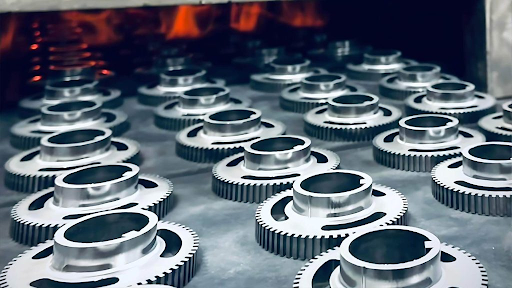
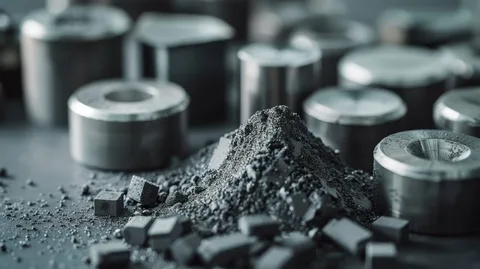
Sintered metal is a product of powder metallurgy, a technique that compacts metal powders and then heats them just below their melting point. This causes the particles to fuse, forming a solid, high-strength piece without the need for extensive machining. Unlike traditional metalworking methods, which rely on cutting, drilling, or molding, sintering reduces waste, saves energy, and allows for designs that would be impossible with conventional techniques.
Key characteristics include:
- High precision: Components can be produced to exacting tolerances.
- Material efficiency: Less raw material is wasted during production.
- Complex geometries: Shapes that are difficult or expensive to machine can be formed with ease.
- Enhanced mechanical properties: Porosity can be controlled to tailor strength, density, or lubrication characteristics.
Companies like GKN Powder Metallurgy and Hoeganaes have long leveraged sintering technology for automotive and industrial solutions. This demonstrates how critical the process has become across multiple sectors.
How Sintering Transforms Modern Manufacturing
The advantages of sintered metal go beyond just producing components. It transforms the approach to design, production, and supply chain management.
1. Cost Efficiency
Sintering minimizes material wastage. Traditional machining often leaves 60–70% of the original metal as scrap. With sintering, powder is compacted with precision, meaning nearly all of it becomes part of the final component. This efficiency is particularly valuable when working with high-cost metals like copper, nickel, or specialty alloys.
2. Shorter Lead Times
Since sintered parts often require minimal post-processing, manufacturers can move from design to finished product faster. Automotive companies, for example, rely on rapid prototyping of gears and bushings to accelerate vehicle development cycles.
3. Design Flexibility
Sintered metal enables shapes that are otherwise challenging to produce. For instance, components with internal channels for lubrication, complex interlocking geometries, or uniform porosity for filtration can be achieved without complicated assembly or welding processes.
- Internal Lubrication: Bearings with porous structures can be infused with oil, reducing the need for separate lubrication systems.
- Integrated Assemblies: Multiple parts can be combined into one sintered component, cutting down assembly time and potential failure points.
For engineers seeking reliable solutions, sintered metal solutions provide the materials and process expertise needed to implement these benefits efficiently.

Applications Across Industries
Sintered metal is not limited to a single sector. Its versatility has made it a staple across automotive, aerospace, industrial machinery, and even electronics.
Automotive
- Gears and bushings: High-strength, wear-resistant, and cost-effective.
- Oil filters: Porous structures that trap contaminants while allowing fluid flow.
- Structural components: Lightweight yet strong, reducing vehicle weight and improving fuel efficiency.
Aerospace
- Complex fasteners: Reliable under high-stress and temperature conditions.
- Heat exchangers: Precision porosity allows efficient thermal management without bulky designs.
Industrial Machinery
- Hydraulic components: Durable, wear-resistant, and designed for long operational lifespans.
- Custom fittings and gears: High volume production with consistent tolerances.
Competitors like Hitachi Powdered Metals and Miba have explored similar applications, but the combination of material variety, design flexibility, and precision offered by modern sintering providers is setting new benchmarks in the market.
Material Selection and Process Considerations
Choosing the right metal powder is crucial for achieving the desired performance:
- Steel powders: Offer strength and durability for gears and structural parts.
- Copper and bronze powders: Ideal for components requiring thermal or electrical conductivity.
- Alloy blends: Tailored for specific wear, corrosion, or heat resistance properties.
The sintering process itself also impacts final properties:
- Temperature control: Affects density and grain structure.
- Compaction pressure: Determines the strength and porosity of the part.
- Post-sintering treatments: Optional steps like heat treatment or surface finishing can further enhance performance.
By understanding these variables, engineers can optimize both cost and performance, producing superior components without unnecessary trial and error.
Advancing Manufacturing Efficiency
Sintered metal is reshaping the manufacturing landscape by combining precision, efficiency, and innovation. Its advantages extend into supply chain optimization:
- Reduced machining needs cut energy costs.
- Lightweight designs lower transportation expenses.
- Multi-functional components decrease inventory complexity.
Industries adopting sintering technologies report measurable benefits in production speed, product consistency, and overall cost savings. By investing in modern sintered metal processes, companies can maintain competitiveness and respond quickly to market demands.
For those exploring solutions for their manufacturing needs, high-quality providers of sintered metal components can help translate design concepts into functional, cost-effective parts.
Looking Ahead: The Future of Sintered Metal
Emerging trends indicate that sintered metal will continue to expand its footprint:
- Additive integration: Combining sintering with 3D printing for intricate designs.
- Advanced alloys: Development of powders with superior wear, thermal, and corrosion resistance.
- Sustainability focus: Reduced waste and energy-efficient processes align with global environmental goals.
As technology progresses, sintered metal is positioned not just as a manufacturing tool, but as a strategic advantage, enabling smarter, leaner, and more flexible production models.
Conclusion
Sintered metal is more than just a method of making parts; it’s a catalyst for transforming manufacturing. By offering design freedom, material efficiency, and high-performance outcomes, it empowers engineers and companies to push the boundaries of what’s possible. From automotive components to aerospace fasteners, its versatility is undeniable.
For manufacturers and engineers ready to explore the full potential of this technology, the expertise and solutions available at Volunteer Sintered Products provide a trusted gateway to high-quality sintered products that enhance performance, efficiency, and innovation.