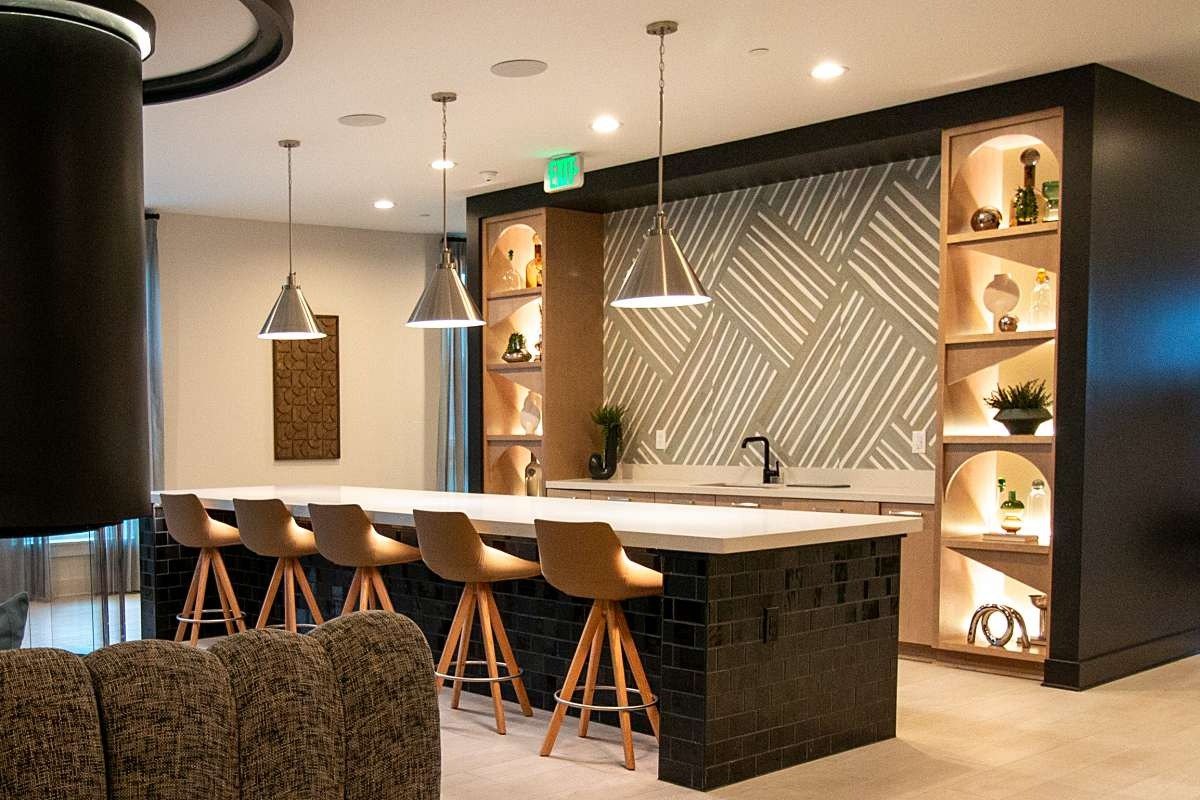
Walk into any well-designed office, restaurant, or retail space, and much of what makes the environment feel intentional rather than generic comes down to details most visitors never consciously notice: the reception desk, the built in shelving, and the custom paneling along a wall. This is the work of custom commercial millwork, and for businesses planning a new space or renovating an existing one, understanding what goes into this investment before committing can make the difference between a finished space that truly reflects the brand and one that falls short of expectations.
This guide walks through what businesses should actually understand before investing in custom commercial millwork, from the planning process to material selection and budget considerations.
What Custom Commercial Millwork Actually Includes
Custom commercial millwork covers a broad range of built-in, custom-fabricated wood and material elements designed specifically for a commercial space, rather than purchased as generic, mass-produced furniture or fixtures. This can include reception desks, custom cabinetry, built-in shelving, wall paneling, trim work, and specialized fixtures designed to fit a specific space and reflect a business’s particular brand identity.
Unlike standard furniture that can be ordered from a catalog, custom commercial millwork is designed and built specifically for the dimensions, function, and aesthetic goals of an individual space. This customization is precisely what allows businesses to create a genuinely distinctive environment rather than a space that looks interchangeable with countless other commercial locations.
Why Businesses Choose Custom Over Standard Options
While standard, prefabricated fixtures and furniture can work adequately for some commercial spaces, many businesses find that custom commercial millwork offers advantages that generic options simply cannot match.
- Precise fit for unique spaces, particularly valuable in older buildings or spaces with unusual dimensions where standard furniture may not fit properly.
- Brand alignment, allowing design elements to reflect specific brand colors, materials, and aesthetic choices rather than generic options.
- Functional customization, designing storage, work surfaces, or display elements around the actual specific needs of the business rather than a generic assumption of use.
- Long-term durability, since custom commercial millwork is often built with higher quality materials and construction methods designed for the specific demands of the space.
Businesses investing in a space meant to make a strong impression on clients, customers, or employees often find that custom commercial millwork delivers a noticeably different result compared to relying entirely on standard, off the shelf furnishings.
Understanding the Planning and Design Process
One of the most important things businesses should understand before investing in custom commercial millwork involves the planning process itself, which typically requires more lead time and collaboration than simply ordering furniture from a catalog. The process generally begins with a detailed design consultation, where the millwork provider works to understand the business’s functional needs, aesthetic preferences, and budget parameters.
From there, detailed drawings and specifications are developed, often going through multiple rounds of revision before final approval. Only after this design phase is complete does actual fabrication begin, followed by installation once the pieces are ready. Businesses should expect this entire process to take considerably longer than purchasing standard furniture, and building this timeline into overall project planning from the start helps avoid unnecessary delays or rushed decision-making later in the process.
Material Selection Considerations
Material choice plays a significant role in both the appearance and durability of custom commercial millwork, and businesses should understand the tradeoffs involved in different options. Solid wood offers a premium, high end appearance but typically comes at a higher cost and may require more maintenance depending on the specific wood species chosen. Engineered wood products can offer a similar aesthetic at a lower cost point while providing good durability for many commercial applications.
Laminate and veneer options provide additional flexibility, often mimicking the appearance of natural wood or other premium materials at a more accessible price point, making them a popular choice for businesses balancing aesthetic goals with budget constraints. A knowledgeable custom commercial millwork provider should walk through these material options honestly, explaining the practical tradeoffs rather than simply pushing whichever option carries the highest margin.
Budget Considerations Businesses Often Underestimate
Custom commercial millwork represents a genuine investment, and businesses should approach budgeting with realistic expectations from the outset. Several factors influence overall project cost, including the complexity of the design, material selection, the size and scope of the project, and the specific finishing details involved.
Businesses should also budget for the reality that custom work often costs more upfront than standard, mass-produced alternatives, though this higher initial investment frequently pays off through improved durability, a stronger alignment with brand identity, and a more functional design tailored specifically to the space. Rushing into custom commercial millwork without realistic budget expectations often leads to disappointment, either through a scaled-back scope partway through the project or unexpected costs that were not properly anticipated during initial planning.
Choosing the Right Provider
Selecting the right partner for custom commercial millwork matters significantly since the quality of craftsmanship and the provider’s ability to translate design vision into a functional, durable finished product varies considerably across the industry. Businesses should look for providers with a strong portfolio of past commercial projects, ideally including work in similar industries or space types to their own current project.
- Ask to see examples of previous custom commercial millwork projects, particularly ones similar in scope and style to your own vision.
- Request clear timelines for both the design and fabrication phases, understanding that rushed timelines can sometimes compromise quality.
- Discuss material options thoroughly, ensuring the provider explains tradeoffs honestly rather than defaulting to whichever option is most profitable for them.
- Confirm how the provider handles installation, including coordination with other contractors who may be working on the same space simultaneously.
A provider who takes time to understand your specific brand identity and functional needs, rather than offering generic recommendations disconnected from your actual business, tends to deliver far more satisfying results.
How Custom Millwork Supports Brand Identity
Beyond pure functionality, custom commercial millwork plays a significant role in reinforcing brand identity throughout a physical space. A reception area, retail display, or restaurant interior built around thoughtfully designed, custom fabricated elements creates a cohesive, intentional environment that generic furniture simply cannot replicate. This attention to detail often makes a meaningful impression on customers and clients, subtly reinforcing perceptions of quality and professionalism that extend beyond the physical furniture itself.
Businesses investing significant resources into their physical space, whether for client-facing areas or general office environments meant to support employee experience, often find that custom commercial millwork delivers a return on investment that goes beyond simple functionality, contributing directly to how the business is perceived by everyone who walks through the door.
Timeline Expectations for a Typical Project
Businesses planning a project involving custom commercial millwork should build realistic timeline expectations into their broader project planning. Design consultation and finalization can take several weeks depending on project complexity, followed by fabrication time that often ranges from several weeks to a few months depending on the scope of work and current production capacity. Installation typically requires additional coordination time, particularly for larger projects involving multiple pieces or complex installation requirements.
Businesses working toward a specific opening date or deadline should factor this realistic timeline into their overall project schedule from the very beginning, rather than assuming custom millwork can be completed on the same accelerated timeline as ordering standard, pre-made furniture.
How Sixth Avenue Approaches Custom Commercial Millwork
At Sixth Ave Custom, we understand that custom commercial millwork represents a significant investment in both the function and identity of a business’s physical space. We work closely with clients throughout the design process, ensuring the final product reflects their specific brand vision while meeting the practical functional needs of their space. Our approach prioritizes clear communication about timelines, material options, and budget considerations from the very beginning of every project.
We believe that custom commercial millwork should be built to last, both in terms of physical durability and in terms of genuinely representing a business’s identity to everyone who experiences the space.
Final Thoughts
Investing in custom commercial millwork requires more upfront planning and budget consideration than simply purchasing standard, off-the-shelf furniture, but the results often deliver significant long-term value through improved durability, precise functional fit, and genuine alignment with brand identity. Businesses that take the time to understand the design process, material options, and realistic timeline expectations before beginning a project tend to end up with a finished space that truly reflects their vision, rather than settling for a generic result that fails to capture what makes their business distinctive.