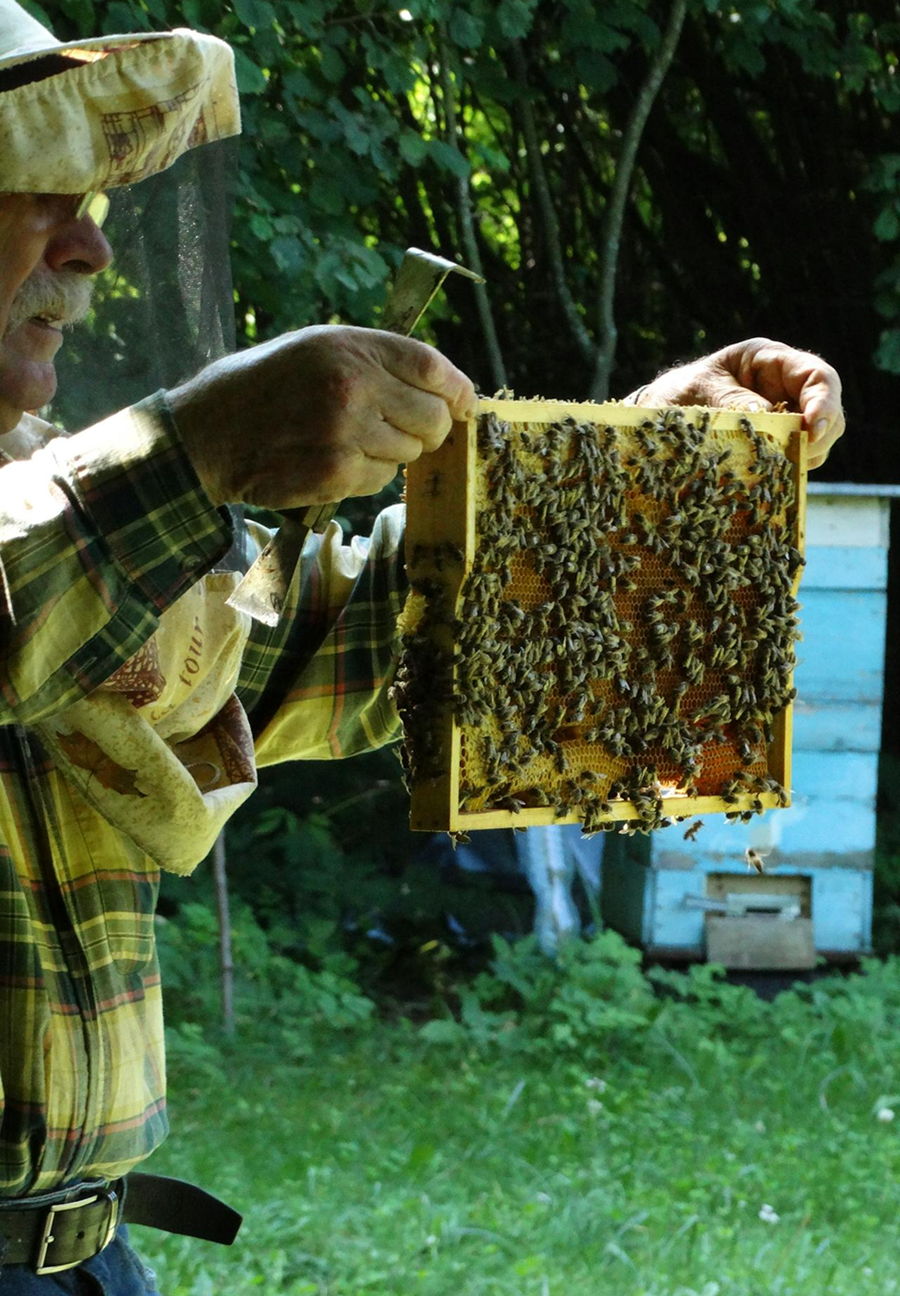
Beekeeping is more than a hobby or business opportunity, it can also be a meaningful family experience. Working with bees encourages teamwork, shared responsibility, and time spent outdoors. Families who beekeep together often gain a greater appreciation for nature and food production. The activity is adaptable, allowing each family member to contribute in age‑appropriate ways. Beekeeping creates lasting memories while teaching valuable life skills.
Encouraging Outdoor Learning
Beekeeping naturally brings families outside and away from screens. Children learn firsthand about ecosystems, insects, and seasonal changes. Observing hive activity fosters curiosity and scientific thinking. Outdoor learning also supports physical activity and mental wellness. These experiences help children connect education with real‑world applications.
Teaching Responsibility and Routine
Managing a hive requires consistency and planning. Families learn the importance of regular inspections, feeding schedules, and seasonal preparation. Assigning tasks encourages accountability and ownership. Children can help with record keeping, observation, or simple equipment handling. This shared responsibility builds confidence and discipline.
Learning About Nature and Sustainability
Beekeeping offers practical lessons in sustainability and environmental care. Families gain insight into pollination, biodiversity, and food systems. Understanding how bees impact agriculture helps children appreciate environmental balance. These lessons often extend into gardening and conservation habits. Beekeeping promotes eco‑conscious thinking at home.
Working Together as a Team
Successful beekeeping requires communication and cooperation. Families must coordinate tasks during inspections and honey harvesting. Teamwork helps ensure safety and efficiency around the hive. Problem solving together strengthens family bonds. These shared experiences encourage mutual support and collaboration.
Planning and Harvesting Together
Harvesting honey is often a rewarding family milestone. Everyone can participate in preparation, extraction, and packaging. This process teaches patience and respect for the bees’ work. The reward of honey reinforces the value of shared effort. Celebrating harvests creates positive traditions.
Creating Educational Opportunities
Beekeeping supports learning across multiple subjects. Math skills are used for tracking hive growth and honey yields. Science concepts are reinforced through observation and experimentation. Writing skills improve through record keeping and journaling. Beekeeping naturally integrates education into daily life.
Building Traditions and Shared Goals
Families often build rituals around hive care and seasonal changes. These traditions create anticipation and involvement throughout the year. Working toward goals such as honey production or hive expansion fosters unity. Shared accomplishments strengthen family identity. Beekeeping becomes part of the household culture.
Ensuring Safety and Comfort
Safety is essential when involving family members. Wearing protective gear and following calm practices reduces risk. Teaching respect for bees helps prevent fear or accidents. Using properly fitted suits and gloves builds confidence, especially for children. Investing in reliable Mann Lake bee supplies supports both safety and comfort during hive work.
Making Beekeeping Fun and Approachable
Beekeeping does not need to feel like work. Turning tasks into learning moments or games keeps younger members engaged. Celebrating progress encourages enthusiasm. Flexibility allows beekeeping to fit different schedules. Making the process enjoyable helps sustain long‑term participation.
Passing Down Skills and Values
Beekeeping allows older family members to pass knowledge to younger generations. Skills, patience, and respect for nature are taught through example. This hands‑on mentorship creates meaningful relationships. Shared learning fosters trust and communication. Beekeeping becomes a generational activity.
Conclusion
Beekeeping offers families a unique way to learn, grow, and work together. It teaches responsibility, environmental awareness, and cooperation in a practical setting. Participation can be tailored to all ages and abilities. The shared experience strengthens family connections while creating valuable skills. As a family activity, beekeeping is both educational and deeply rewarding.