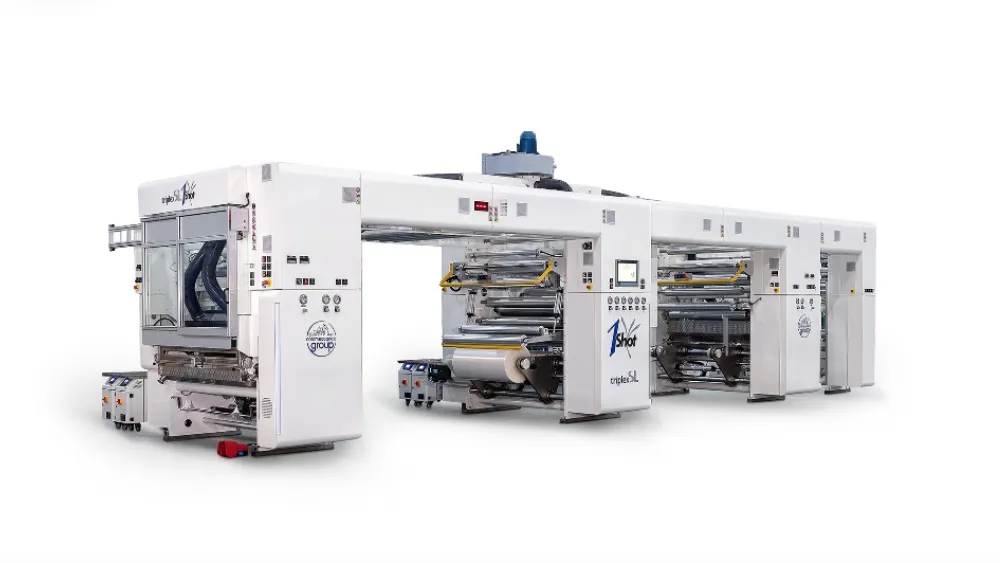
The packaging industry has evolved significantly over the past decade due to increasing demand for durable, attractive, and high-barrier packaging solutions. Manufacturers now require advanced machinery capable of producing multi-layer packaging structures that offer strength, flexibility, and excellent protection. One of the most important technologies used in this sector is the triplex lamination machine.
This machine is widely used in flexible packaging, food packaging, pharmaceutical production, industrial packaging, and printing industries. It is specially designed to laminate three layers of different materials into one strong and high-quality structure.
As global industries continue to focus on product safety and premium packaging, triplex lamination machines are becoming a key component of modern manufacturing systems.
What is a Triplex Lamination Machine?
A triplex lamination machine is an industrial laminating system designed to combine three separate material layers into a single laminated structure. These materials may include plastic films, aluminum foil, paper, polyester, polyethylene, or other flexible substrates.
The machine uses adhesive technology, heat, and pressure to create strong bonding between the layers. The final laminated material provides excellent barrier protection, durability, flexibility, and printing performance.
Triplex lamination technology is especially important for products requiring long shelf life and superior packaging quality.
Importance of Triplex Lamination Machine in Modern Industry
Modern packaging industries demand high-performance packaging materials capable of protecting products from moisture, oxygen, contamination, and physical damage. The triplex lamination machine fulfills these requirements efficiently.
Key importance factors include:
- Strong multi-layer bonding capability
- Improved barrier protection for sensitive products
- Enhanced durability and flexibility
- Attractive packaging appearance
- High-speed industrial production support
- Suitable for advanced flexible packaging applications
These advantages make the machine essential for modern packaging production.
Working Process of Triplex Lamination Machine
The operation of a triplex lamination machine involves several precision-controlled stages.
Material Feeding
Three separate substrate rolls are loaded into the machine.
Adhesive Application
Special adhesive coatings are applied between material layers.
Drying Process
The adhesive passes through heated drying systems for stabilization.
Layer Bonding
Pressure rollers combine all three layers into a single structure.
Tension Control
Automatic tension systems maintain proper alignment and smooth lamination.
Final Winding
The finished laminated material is collected in roll form for further processing.
This process ensures high-quality and uniform laminated output.
Types of Triplex Lamination Machines
Different types of triplex lamination machines are available depending on production requirements.
Solvent-Based Triplex Laminators
Use solvent adhesives for strong industrial bonding.
Solventless Triplex Laminators
Eco-friendly systems that reduce environmental impact.
Extrusion Triplex Laminators
Use molten polymer layers for advanced lamination structures.
High-Speed Automatic Laminators
Designed for continuous large-scale industrial production.
Flexible Packaging Laminators
Specially developed for food and pharmaceutical packaging industries.
Each type serves different industrial applications and production goals.
Key Features of Triplex Lamination Machine
Modern triplex lamination machines include advanced features for precision and efficiency.
Three-Layer Lamination Capability
Combines multiple substrates into one durable structure.
High-Speed Production System
Supports continuous industrial manufacturing.
Precision Adhesive Control
Ensures accurate coating and strong bonding.
Advanced Drying Technology
Improves adhesive performance and product quality.
Automatic Tension Management
Maintains stable material handling during operation.
Digital Monitoring System
Allows real-time production control and machine adjustments.
Applications of Triplex Lamination Machine
Triplex lamination machines are used in many industries because of their versatility and high-performance packaging capabilities.
Food Packaging Industry
Used for snack packaging, frozen foods, coffee pouches, and dairy products.
Pharmaceutical Packaging
Provides hygienic and protective packaging for medicines.
Cosmetic Packaging
Used for beauty and personal care product packaging.
Industrial Packaging
Used for chemicals, fertilizers, and heavy-duty materials.
Consumer Goods Packaging
Used for household products and retail packaging.
Its broad application range makes it highly valuable in global manufacturing.
Advantages of Triplex Lamination Machine
Businesses gain numerous benefits from using triplex lamination technology.
Superior Barrier Protection
Protects products from moisture, air, and contamination.
Extended Shelf Life
Maintains product freshness and quality for longer periods.
Strong and Durable Packaging
Improves resistance against tearing and physical damage.
Premium Surface Finish
Enhances product appearance and branding.
Efficient Large-Scale Production
Supports high-volume industrial operations.
Material Flexibility
Compatible with multiple substrate combinations.
Technological Advancements in Triplex Lamination Machines
Modern triplex laminators incorporate advanced technologies for improved efficiency and automation.
Key innovations include:
- PLC-based automation systems
- Servo motor-driven roller mechanisms
- Smart adhesive application systems
- Touchscreen digital control panels
- IoT-enabled production monitoring
- Energy-efficient drying systems
These technologies improve precision, consistency, and production speed.
Role in Modern Flexible Packaging Industry
The triplex lamination machine plays a critical role in producing advanced flexible packaging structures that meet modern consumer and industrial requirements.
Industries use this technology to achieve:
- Better product safety
- Enhanced packaging durability
- Attractive shelf presentation
- Improved transportation reliability
This makes it a key technology in the global packaging market.
Environmental Benefits of Modern Triplex Laminators
Modern machines are designed with sustainability and environmental efficiency in mind.
Environmental advantages include:
- Reduced material wastage
- Energy-efficient operation systems
- Support for recyclable packaging materials
- Solventless adhesive technologies
- Lower industrial emissions
These features help manufacturers meet environmental standards and sustainability goals.
Challenges of Triplex Lamination Machine
Despite its many advantages, some challenges exist.
High Initial Investment
Advanced machines require significant capital investment.
Complex Production Process
Requires skilled operators and precise process control.
Maintenance Requirements
Regular servicing is essential for stable performance.
Material Compatibility Issues
Different substrates may require specialized adhesive systems.
However, long-term production benefits often outweigh these limitations.
Future of Triplex Lamination Machine
The future of triplex lamination technology is focused on smart automation and sustainable manufacturing.
Future developments may include:
- AI-based quality control systems
- Fully automated packaging production lines
- Smart factory integration
- Biodegradable lamination materials
- Faster and more energy-efficient laminators
These innovations will further transform the packaging industry.
Conclusion
The triplex lamination machine is an advanced industrial solution designed to produce strong, flexible, and high-performance laminated packaging materials. Its ability to combine three different layers into one durable structure makes it essential for food packaging, pharmaceutical products, industrial materials, and consumer goods.
With continuous technological advancements and increasing demand for premium packaging solutions, triplex lamination machines will continue to play a major role in the future of modern manufacturing and flexible packaging industries.