Introduction
Traffic congestion is one of the biggest problems in modern cities. As vehicle numbers increase every year, managing intersections efficiently has become more important than ever. Long waiting times at signals not only waste fuel but also increase driver frustration. To solve this issue, cities are now using traffic light timer systems as part of smart traffic management solutions.
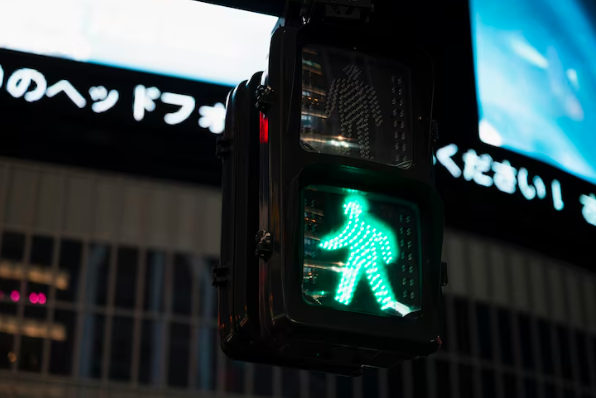
A traffic light timer is a device or system that shows the remaining time before a traffic signal changes. It helps drivers and pedestrians understand when the light will turn red, yellow, or green. This simple but powerful technology improves road safety and traffic flow in busy urban areas.
What Is a Traffic Light Timer?
A traffic light timer is a digital or LED-based display integrated with traffic signals. It shows a countdown of seconds remaining before the signal changes.
For example:
- Green timer shows how long vehicles can move
- Red timer shows waiting time
- Yellow timer indicates transition time
This system helps road users make better decisions while driving or crossing roads.
How Traffic Light Timers Work
Traffic light timers are connected to the main traffic control system of a city. They operate based on programmed signal cycles.
The process includes:
- Receiving signal timing data
- Converting it into countdown format
- Displaying real-time updates on screens
- Synchronizing with traffic lights
Modern systems are often automated and can adjust timing based on traffic flow.
Benefits of Traffic Light Timer Systems
1. Reduced Driver Stress
One of the biggest advantages of traffic light timers is reduced uncertainty. Drivers no longer need to guess when the light will change.
Knowing the remaining time helps reduce stress and improves driving behavior.
2. Better Traffic Flow
Timers help vehicles move more smoothly through intersections. Drivers can prepare in advance instead of sudden acceleration or braking.
This improves overall traffic flow and reduces congestion.
3. Improved Road Safety
Traffic light timers reduce the chances of accidents caused by sudden signal changes. Drivers and pedestrians can react in a more controlled manner.
This leads to safer intersections and fewer collisions.
Importance in Urban Traffic Management
In busy cities, intersections are high-risk areas for traffic jams and accidents. Traffic light timer systems help manage these challenges effectively.
They are especially useful in:
- Commercial areas
- School zones
- Highway intersections
- High-density urban roads
By providing clear timing information, they make traffic movement more predictable.
Role in Smart City Development
Modern smart cities use advanced traffic systems to improve mobility. Traffic light timers are often integrated with smart sensors and AI-based traffic control systems.
These systems can:
- Adjust signal timing automatically
- Reduce waiting time during low traffic
- Prioritize emergency vehicles
- Improve overall road efficiency
This makes urban transportation more intelligent and responsive.
Energy and Fuel Efficiency Benefits
Traffic light timers indirectly help reduce fuel consumption. When drivers know signal timing, they avoid unnecessary idling and sudden acceleration.
This results in:
- Lower fuel usage
- Reduced vehicle emissions
- Improved environmental sustainability
Types of Traffic Light Timer Systems
1. Countdown Timers
These show exact seconds remaining before signal changes. They are the most common type used in urban areas.
2. Adaptive Timers
These systems adjust timing based on real-time traffic conditions using sensors and AI systems.
3. Integrated Smart Timers
These are connected with centralized traffic control systems and provide dynamic updates across multiple intersections.
Installation and Setup
Installing traffic light timers requires integration with existing traffic systems.
The process includes:
- Connecting to traffic signal controllers
- Setting timing cycles
- Installing display units
- Testing synchronization
Proper calibration is important for accurate performance.
Challenges in Traffic Light Timer Systems
Despite their benefits, these systems also face some challenges:
- High installation cost in smart systems
- Maintenance requirements for electronic components
- Dependency on stable power supply
- Need for proper synchronization
However, the benefits usually outweigh these challenges.
Future of Traffic Light Timer Technology
The future of traffic light timers is closely linked with smart transportation systems. Upcoming advancements may include:
- AI-based predictive timing
- Vehicle-to-signal communication
- Real-time traffic optimization
- Solar-powered timer systems
These innovations will further improve traffic efficiency and safety.
Conclusion
Traffic light timer systems have become an important part of modern traffic management. They improve road safety, reduce congestion, and help drivers make better decisions on the road.
As cities continue to grow and adopt smart infrastructure, traffic light timers will play an even bigger role in creating efficient and intelligent transportation systems.