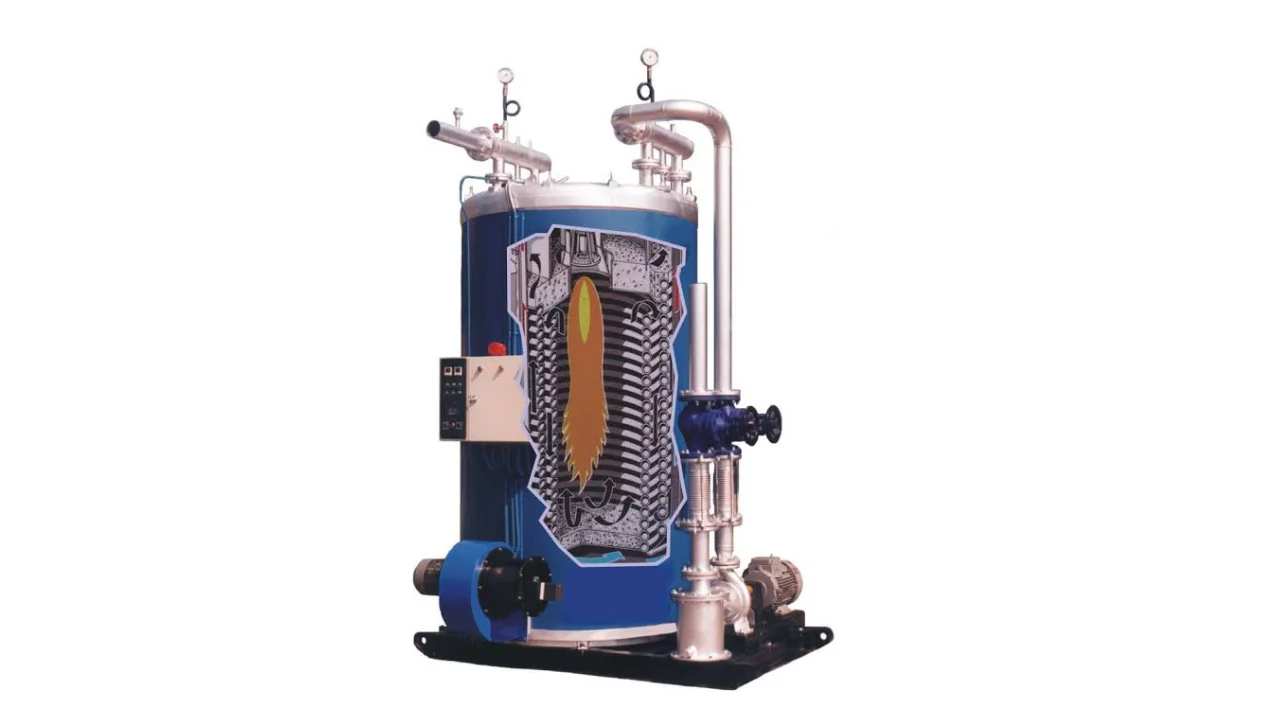
Industrial heating systems provide precise temperature control and efficient heat transfer, which is critical for most manufacturing processes. Thermal oil boilers are an excellent fit, as they utilize specialized heat transfer fluids, rather than the conventional water or steam. Thermal oil systems provide a safe and consistent heat source for complex industrial applications as they provide high temperatures at very low operating pressures.
The choice of heating equipment is important as it directly affects the efficiency of operations and the amount of energy consumed. When designing a heating network, facility managers and engineers need to assess system specifications, maintenance, and overall effectiveness. Taiguo’s equipment exemplifies the modern synthesis of engineering and efficiency as applied to the thermal fluid system.
For more in-depth information you should view from Thermal Oil Boiler – High-Efficiency Hot Oil Heater from China Factory -Taiguo
This article is focused on thermal oil boilers and how they work as compared to steam systems. It discusses the various industrial applications of thermal oil heaters, maintenance, and operating guidelines that will help keep the thermal oil heaters in the best condition for as long as possible.
Introduction to Thermal Oil
What is Thermal Oil?
Thermal oils are superior heat transfer liquids that allow thermal energy to flow from a heat source to a process that uses the heat energy. They have higher boiling points than water which allows different industrial processes to require high processing temperatures without the use of high pressures which are required to keep water in a liquid state at higher than 100 degrees Celsius. Thermal oils have boiling point ranges above 300 degrees Celsius.
Characteristics of Thermal Oil
Thermal oils are required to have a lot of different specialized attributes that are required for a heat transfer liquid to operate effectively. These oils are thermally stable which means they do not rapid degradation at high temperatures. The oils are also designed to have a specific lower viscosity in order to allow for easier flow at the considered operational temperatures thus leading to less energy costs. High specific heat capacity, alongside with good thermal conductivity, gives the heat transfer liquid the ability to absorb and deliver significant amounts of thermal energy required.
Benefits of Using Thermal Oil
There are multiple benefits operationally to using thermal oils. There are no concerns of corrosion with the transfer systems as they do not use water or steam which means the oils are able to operate at high temperatures with a liquid state which allow for lower processing pressures so the systems do not pose a high risk for an explosive failure or require extreme safety concerns with reinforced piping. Thermal oil systems also eliminate water treatment plants, blowdown procedures, and steam traps so the overall facility experiences infrastructure overall.
Types of Boilers
Overview of Boiler Types
Based on the structural design and the heat transfer medium, industrial boilers are categorized into different subcategories. In fire-tube boilers, hot gases pass through the tubes which are dipped in the water. The water-tube boilers, on the other hand, have hot gases surrounding the tubes in which water circulates. Conversely, the thermal oil boilers, utilize a heat transfer fluid and circulate it through a network or a coil of tubes, which are heated by a combustion chamber. Manufacturers like Taiguo design equipment with multi-pass coils to improve combustion gas heat absorption.
Thermal Oil Boiler vs. Steam Boiler
The industrial requirements of thermal oil boilers and steam boilers differ. The steam boilers operate through phase change. Water gets converted to steam by applying high temperatures. High pressures are subsequently required. Because of this, steam boilers are required to adhere to strict safety protocols, and the trained personnel must manage a water treatment system to prevent corrosion and scaling.
The operation of thermal oil boilers is predicated on the principle of sensible heat transfer where the heat transfer fluid is heated to high temperatures, but without undergoing a phase change. Thermal oil boilers can operate at temperatures of 350 degrees Celsius, and at near-atmospheric pressures. The redesigned industrial boilers required fewer maintenance cycles; and the regulatory compliance requirements were also reduced. Because of the latent heat released during the condensation, steam boilers are highly efficient, and are designed for large heat transfer tasks.
Applications of Thermal Fluid Heaters
Thermal fluid heaters support a wide range of industrial sectors that require precise, high-temperature heat.
- Chemical Processing: Reactors and distillation columns require exact temperature control to facilitate chemical reactions without degrading sensitive compounds.
- Textile Manufacturing: Heat setting, dyeing, and fabric finishing processes utilize thermal oil to maintain uniform temperatures across large drying machines.
- Food and Beverage: Industrial fryers, baking ovens, and deodorization processes in edible oil refineries rely on thermal fluid for consistent, food-safe heating.
- Wood and Paper: Plywood presses and paper drying rollers use thermal oil to apply uniform heat, ensuring product strength and moisture removal.
- Asphalt and Roofing: Maintaining asphalt at a pumpable viscosity requires continuous, reliable heating provided by thermal oil circuits.
Components of a Thermal Oil Boiler
Key Components Explained
There are several standard parts to a thermal oil boiler system. The circulating pump is responsible for moving the thermal fluid through the heating circuit. The expansion tank is placed at the highest point of the system. Due to the heating of the oil, thermal expansion takes place, and the expansion tank has to accommodate this. The expansion tank also protects the fluid from oxidation by means of a cold seal or ambiguous gas blanket. The deaerator only functions during the first startup period and is responsible for collecting any air and moisture that has become entrained in the fluid.
The Furnace in Thermal Oil Boilers
The fluid in a thermal oil boiler must first be heated and to do this, a furnace or combustion chamber is used. Once the fluid has heated to the desired temperature, it can then be utilized in the process. The burners of the furnace ignite a fuel source which can be either natural gas or in some cases even biomass, and this produces a flame at a very high temperature. The structure of the furnace is built to ensure that heat will distribute in an even manner all over the heating coils. The geometry of the furnace is crucial to avoiding flame impingement as this will cause localized overheating and a rapid degradation of the thermal oil.
An Overview of the Thermal Fluid System
The system of thermal oil is structured as a closed system which means that an oil pump has to circulate this. The oil has to first be pumped out of the system and then this oil is heated by the furnace. The heated oil must then be used to transfer heat to the consumers and then the oil must be returned to the pump. The temperature of the whole system is maintained by a series of valves and temperature sensors which control the rate at which the burners are fired in order to keep the temperature within the desired limits.
Scaling and Maintenance
What is Scaling in Thermal Oil Boilers?
Thermal oils systems cannot have scaling from Calcium like water boilers, but they face thermal degradation, which causes fouling, or coking. Thermal oil systems will experience thermal cracking above their maximum bulk fluid temperature. This causes solid carbon deposits that stick to heating coils and create an insulating layer like scale.
Preventative Measures Against Scaling
Carbon buildup can be prevented but this requires strict control of operating parameters. Keeping condcting fluid velocities lower than the recommended ensures no overheating occurs. Operators must perform the correct shutdown procedures. After the burner turns off, the cirulating pump must be kept on. This will help avoid thermal cracking due to overheating of the coils. Periodullay fluid sample analyses should be done to check to monitor fluid heating or degradation as evidenced by an increase in viscosity ot total acid number.
Maintenance Tips for Optimal Performance
To ensure that Taiguo thermal oil systems continue to perform optimally, routine maintenance must be performed.
Check circulating pumps for leaky mechanical seals or unusual vibrations.
Check the expansion tank levels and ensure the presence of the Nitrogen blanket or cold seal.
Annually calibrate temperature and pressure sensors for control accuracy.
Inspect the burner assembly and the combustion chamber for soot buildup, as this will decrease heat transfer.
Regularly filter the thermal oil to remove suspended solid particles and sludge.
The Future of Thermal Fluid Technology
Future Trends in Thermal Oil Boiler Technology
The industrial heating sector is moving toward greater energy efficiency and environmental sustainability. Modern thermal oil boilers increasingly feature advanced economizers or air preheaters to capture waste heat from exhaust gases, boosting overall system efficiency. The integration of the Industrial Internet of Things (IIoT) allows for real-time remote monitoring, predictive maintenance, and automated performance optimization. Additionally, manufacturers are developing electric thermal fluid heaters powered by renewable energy sources to reduce industrial carbon footprints.
Final Thoughts on Efficiency and Reliability
Thermal oil boilers provide a robust, low-pressure solution for high-temperature industrial heating. By utilizing specialized heat transfer fluids, facilities can avoid the complexities of water treatment and high-pressure steam management. Proper system design, combined with diligent maintenance and fluid monitoring, guarantees reliable operation. As brands like Taiguo continue to innovate, thermal fluid systems will remain a cornerstone of efficient industrial processing.