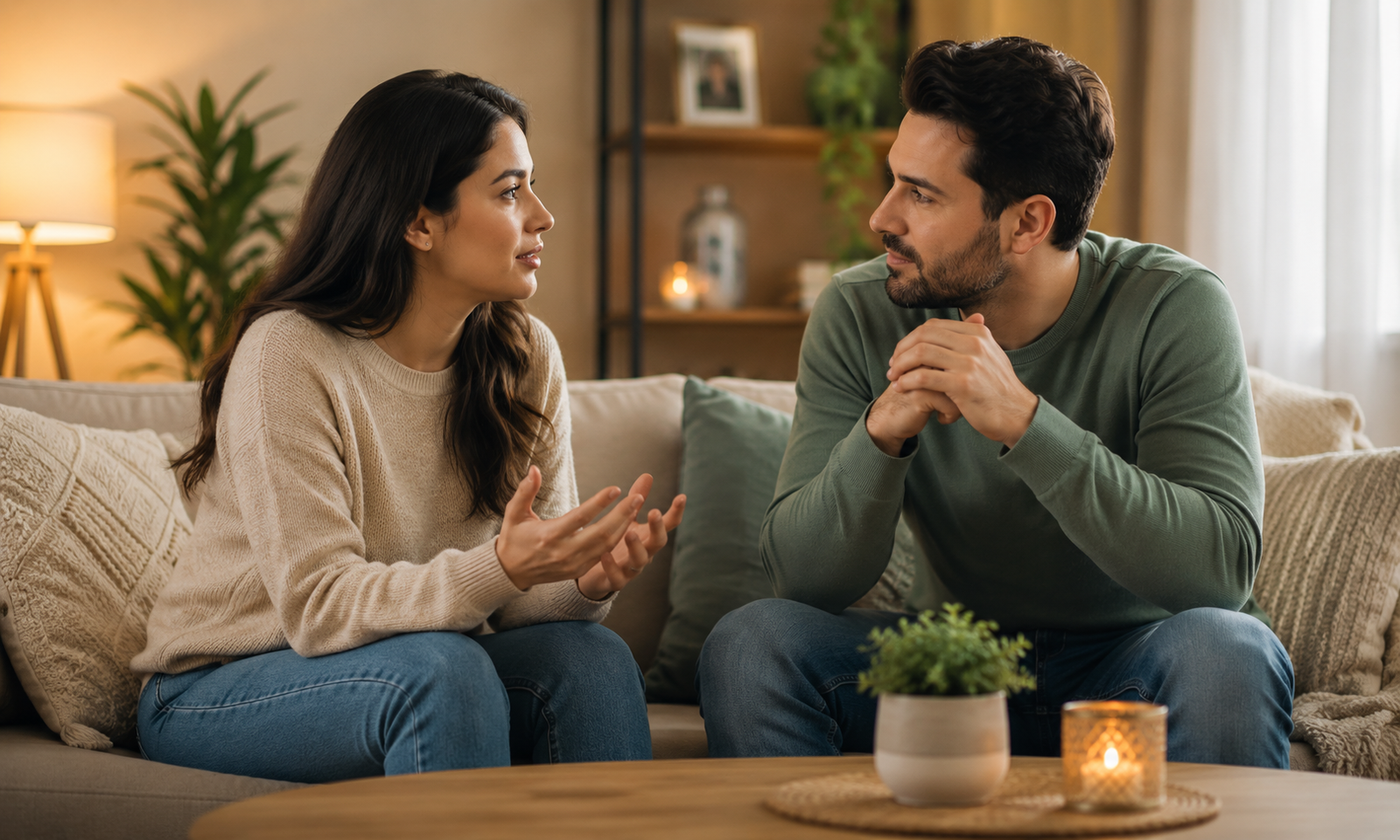
Communication, trust, empathy, and respect are steps that are key to healthy relationships. Self-care is one aspect that is often ignored, however. Those who dedicate most of their attention and energy to supporting their partners, family members, and friends often don’t consider their own emotional, mental and physical needs. This imbalance, over time, may lead to stress, resentment, exhaustion and emotional distance. This makes it hard to connect with others when they are neglecting their well-being. You wouldn’t let anyone else help you if you’re going to take care of yourself, it’s not selfish, it’s necessary. If an individual tends to feel balanced and emotionally healthy they’ll be better able to communicate well, manage conflict constructively and positively contribute to people around them. Learning about the relationship between self-care and relationship wellbeing can help individuals develop more positive relationships and enjoy a greater sense of wellbeing in life.
The first of the most critical in Maintaining Healthy Relationships is the understanding that an individual’s well-being will impact their relationship with others. When someone is emotionally driven or physically fatigued, they may experience difficulties providing their partner with patience, empathy and attention. On the other hand, the person who takes time to respond to his needs has a more stable and resilient emotional state. Self care fosters self-awareness, decreases stress, and promotes better reactions in challenging circumstances. When people are emotionally present, they are able to support themselves and others without losing themselves in the process.When people are in a relationship they are emotionally present, they are able to support each other, and they aren’t gone, they aren’t lost.
Meaning of self-care.
Self care is deliberate and intentional activities that promote physical health, emotional stability, mental lucidity and overall wellness. In no way is this to be considered relaxation time or even an indulgent treat from time to time. Good self-care involves having healthy habits, responsibly managing stress, setting boundaries, ensuring proper sleep and obtaining emotional support as needed. Self-care involves knowing what—and how—one needs and being responsible for meeting one’s needs through healthy means. This practice forms a solid inner structure that will support all areas of personal interactions, such as relationships.
Quite a few people perceive self-care as selfishness and/or emotional isolation. Actually it’s more damaging to relationships to neglect oneself than to value oneself. People who are always putting others’ needs before their own can lose their own vitality, become irritable, and seek others’ approval and support. It can then lead to unbalanced relationships over time. Self-care can enable an individual to renew himself/herself emotionally and physically to support more balanced and stable relationships. It results in better relationships as people are not likely to be projecting stress, frustration or insecurity on others.
Self-care also fosters one’s sense of respect and self-confidence. People are more vicious in forming healthy boundaries when they care for their own health. They are taught how to speak the truth and how to identify the negative trends and how to prevent emotional burnout. The awareness of self will enhance quality of interactions and minimize the risk of negative dynamics in a relationship. Strong relationships are not just built through giving and giving and giving; it is about support for each other, between emotionally healthy people.
Establish emotional boundaries and create stability in relationships
Emotional self care is the keystone to enjoying a harmonious relationship. These issues of emotional well-being are related to communication, conflict, trust and emotional intimacy. Individuals who disenfranchise their feelings bring carry-over stress, anxiety, frustration into their relationships. Disagreements can turn into more serious conflicts as there is less patience and emotional control. Emotional self-care provides people with a way to process their emotions in a healthy manner and not push the negative emotions onto others.
Self-awareness is one very important aspect of emotional self-care. Human emotions can be understood to be able to communicate in a more honest and calm manner. Emotionally healthy people respond more productively to disagreements by verbally voicing their concerns in an appropriate manner. This makes it safer and more meaningful. Self-care is also about being aware of personal triggers, being mindful, finding coping strategies during times of stress, etc.
Emotional boundaries are also a key consideration. To maintain a healthy relationship, you need to maintain connection; you need to maintain individuality. However, if the emotional connection is constant with a partner or friend, they can cause pressures and imbalance. Emotional self-care can empower one to try and use personal coping mechanisms, hobbies and support systems outside of the relationship. This decreases emotional burdens and enables the relationship to develop lovingly instead of overwhelmingly.
Emotional well-being also enhances one’s capacity to have empathy and compassion. Emotional balance makes people understand and support others without losing themselves and become emotionally withdrawn. This establishes a higher feeling of trust and emotional closeness. Those who engage in emotional self-care tend to be better listeners, are patient in stressful situations, and supportive in stressful times. Emotional wellness directly impacts on healthier communication and better relationship satisfaction in the long run.
Understanding the importance of physical care and how this relates to relationships
Emotional behaviour and the quality of relationships are closely and positively related to physical health. Inadequate sleep habits, diet, chronic stress and physical fatigue have a negative impact on a person’s mood, patience and energy. Those who don’t take good care of their bodies tend to be irritable, exhausted and less emotionally able to tackle problems. These can cause conflict in relationships as physical fatigue often has an impact on how someone communicates and responds to others emotionally.
A major but easy way of self care is getting good sleep. The effects of sleep on emotional regulation, concentration, and managing stress. People who feel fatigued on a regular basis could be more reactive in conflict or less emotionally available for their relationships. Good sleep helps maintain a balanced mood and helps one respond in a calm and thoughtful manner to a relationship challenge.
Some of the other aspects of physical self care is exercise. Exercise helps to lower stress, enhance concentration and perception and boost energy. Exercise also can help keep your emotional balance in check, in that it helps to alleviate anxiety and to improve your general disposition. When people are acting, they are more likely to feel more confident and emotionally stable, thus benefiting their relationships. Physical well-being helps lead to an increased sense of personal fulfillment, and improves social engagement.
The connection between nutrition and emotional health and relationship dynamics is also there. Limited energy, mood fluctuations, stress can be caused by poor dietary habits. A balanced diet can promote mental sharpness and emotional well-being, enabling people to interact with others in a more positive way. Social connections are also defined by every day activities that go into overall wellbeing, as well as emotional bonds. Physical self-care is important for sustaining energy and emotional fortitude for healthy/communicative interactions and relationships.
Maintain and create a mental balance and healthy communication.
Self-care is vital to healthy mental functioning, emotional well-being and communication. A stressful lifestyle and lots of responsibilities can have a detrimental impact on the body’s mental state, as can an overly full schedule. Over time as the mental fatigue accumulates, people can find it challenging to concentrate, to express themselves well, and to be patient in relationships. When your mind is at its healthiest, your interactions are healthier, and less emotional overload.
Stress management is an important component of mental self-care. Relationship issues tend to develop in cases of chronic stress when the stressed person may grow into a withdrawn, irritable, or emotional person, avoid social interactions, or grow indifferent. Mentally rest assured, organise responsibilities, and/or do relaxing activities to minimise emotional stress. Examples of activities that promote mental clarity and relaxation include reading, journaling, meditation and spending time in nature.
Self-care is being aware of personal time limits; avoiding burnout is also considered mental self-care. Individuals who are always busy can actually unintentionally neglect to pay for their relationships because they’re less emotional. When the world and the responsibilities are balanced with one’s life, one remains emotionally available to family and friends. Relational connections are emotional, and require maintenance, but when mental strain isn’t taken care of it becomes difficult.
The link between healthy communication and mental well-being isn’t far from the surface. Clear thinking helps individuals to engage in conversations in a calm and respectful manner. By practicing mental self-care, you will enhance your problem-solving skills and emotional tolerance, which will be essential in managing your conflicts in a constructive manner. Nervous people are not good listeners and may react impulsively; a mentally balanced person is better able to listen and respond. This helps build confidence and helps to instill misconceptions into relationships appropriately.
Understanding the need for boundaries as self-care.
One of the most crucial expressions of self-care and assertions in relationships is the setting of limits. To help keep individuals safe with regard to their emotional energy, personal values, mental wellness, boundaries are important. If not managed well, relationships can be emotionally taxing or not manageable. Setting boundaries is important and can prevent harm to relationships, however, boundaries in healthy relationships lead to deeper, more respectful connections.
Boundaries assist individuals to communicate their needs with clarity. This can include setting boundaries with respect to time, feelings, space or behaviors. Without boundaries, resentment can build as people may feel the feeling of being “overwhelmed” or underappreciated. Boundaries are boundaries to minimize confusion and aid in establishing healthier boundaries with others.
Emotional burnout is eliminated as well with self-care boundaries. It can cause stress and frustration when there is an ongoing emphasis on other people and no time is taken for their needs. Healthy relationships involve supporting each other instead of sacrificing their feelings. People who set limits are more likely to feel right about themselves, feel balanced, while being caring to others.
Reflections help promote respect and independence. They can help them keep their identities, interests and emotional balance outside of the relationship. This one-on-one personality helps to reinforce their relationship as each person strives to build himself or herself while nurturing another. Borders with health are not obstacles to love or connection, but are necessary tools to safeguard emotional wellness and the stability of relationships.
Importance of self care in enhancing life satisfaction.
Self-care is important to relationships as well as overall quality of life. People who focus on health can get increased emotional security, self-confidence, and fulfillment. Such feelings of balance have a beneficial impact on relationships, as a healthy emotional person is able to positively impact the life of others.
By consistently caring for themselves, individuals acquire healthier coping mechanisms and emotional resilience. Stressful situations are much easier to handle with emotional stability that helps to alleviate barriers and disagreements. In addition, self-care decreases the reliance on relationships as the only means of achieving happiness or identity. Instead, it is a change in relations to become a support relationship between emotionally balanced individuals.
Improved life satisfaction occurs when people feel physically healthy, emotionally secure and mentally balanced. This inner stasis gives rise to increased trust and deeper relationships with others. When people are fulfilled on their own and in relationships, the relationship is healthy. Self-care promotes personal development, emotional development and healthier relationships in every aspect.
Taking care of oneself also encourages positive relationship patterns in others! Observation, just like listening, is another learning tool that is often used between partners, family members and friends. Setting healthy limits, emotional awareness and balanced lifestyles is an example of establishing healthy boundaries, dispositions and behaviors which encourages healthier behaviors in relationships. Self care can then have positive ripples of enhancing communication, respect and emotional support for loved ones.
Conclusion
Maintaining positive, nutritious relationships goes hand-in-hand with self-care. Emotional, mental and physical well-being closely relate to communication, trust, emotional stability and relationship satisfaction. Those who habitually neglect their own needs can have issues with stress, emotional burnout and poor interpersonal relationships. On the other hand, those who act in self-care tend to be better balanced emotionally, able to be tougher, and can create well-structured relationships.
A successful and healthy relationship is at its strongest when both parties have their personal health and wellbeing in mind as well as theirs of their partner. Enhanced emotional awareness, physical health, and mental balance, and increased healthy boundaries are important factors that help to enhance communication and foster trust. Self-care is not a selfish act, it’s an act of responsibility and necessity for personal and relational wellness.
Self-care has the potential to not only strengthen interpersonal relationships, but also everyone’s quality of life, if they practice regularly. Emotionally healthy people recognise the importance of caring for themselves and for others which then forms strong relationships. When well-being is the priority, interactions are healthier, emotional needs are met, and relationships stay stable and can be sustained long-term.