Introduction
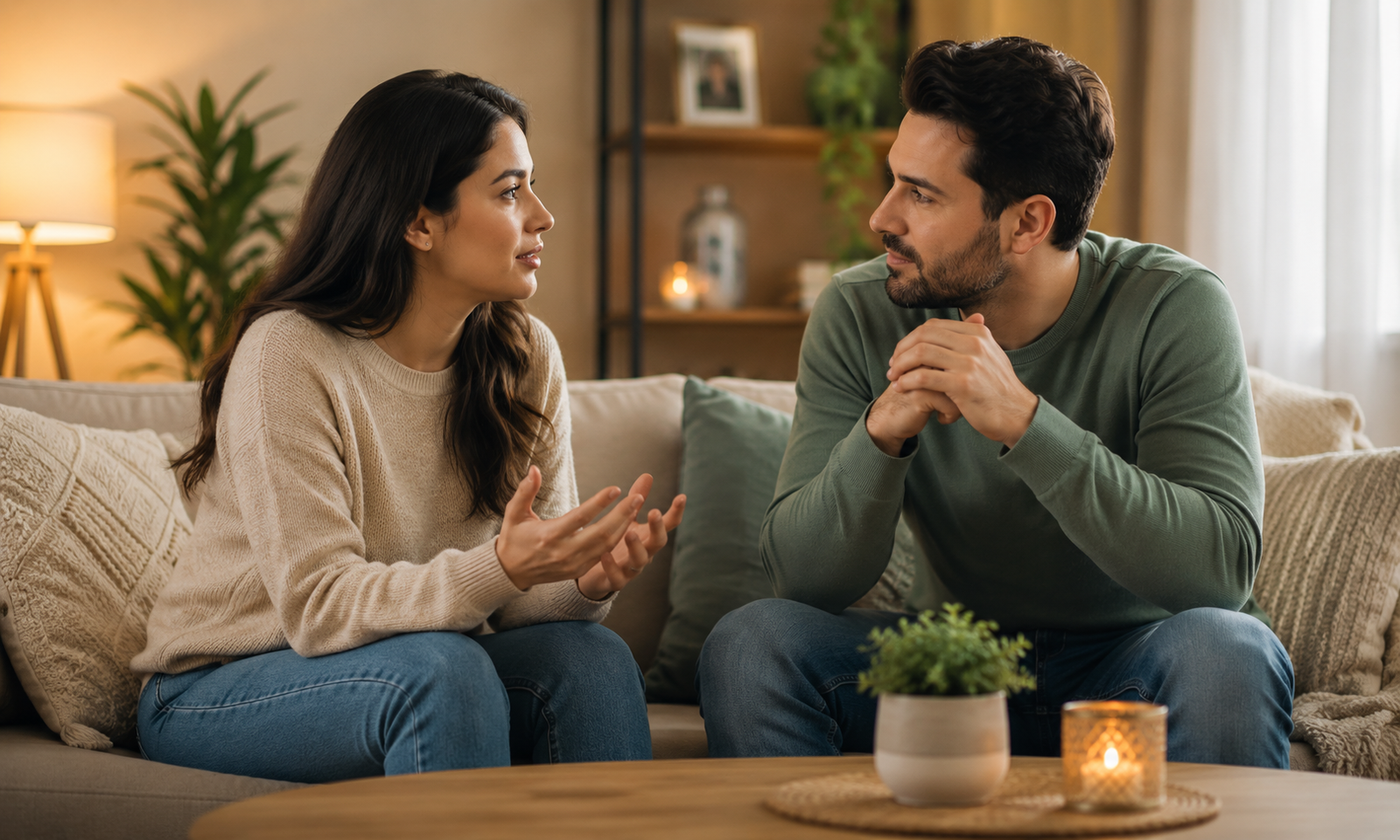
Relationships have their share of problems at some point. Human Nature is different in both points of view; habits, priorities and emotional needs.When two people live close together, there are differences between human nature in their concepts, habits, priorities and emotional outlook. But, conflict with itself is not the most significant threat in a relationship. But the significant thing that couples struggle with is how to disagree. If the argument starts to go sideways, repetitive, or hurtful trust and intimacy can begin to diminish. However, if couples are taught how they can resolve disagreements in a healthy way and manage their conflicts with respect, they might be able to turn conflicts into opportunities for bonding and better communication.
Conflict resolution is not the same as beating the other party for arguments’ sake or simply to avoid conflict. Rather, it is a matter of developing the ability to speak candidly of one’s feelings, to hear with empathy, and to address issues in a pragmatic manner. These skills can lead to better connection, trust, and satisfaction in a relationship for couples in the long run. Conflict can be an opportunity to discover unmet needs, to strengthen communication patterns and to establish increased emotional security in the relationship.
With busy schedules, money matters, social pressures and digital distractions affecting modern relationships, it can make the issues and misunderstandings even worse. This drives the need to be more intelligent in dealing with emotions and communication skills. Learning how to effectively handle disagreements can help prevent little aggravations from developing into big relationship issues. Here are some effective, practical, and actionable strategies to aid couples in setting healthier and more productive relationships amid conflict.
Knowledge of cause-and-effect conflicts
Relationship conflicts seldom happen for no reason. So many debates that may appear to be over an issue may actually be related to deeper issues. Inconsistent disagreements can be caused by feelings of neglect or lack of appreciation, insecurity, stress or unmet expectations. It’s important to take the time to see the emotions in the fight to understand and not just respond to the immediate frustrations.
Language can be a problem that causes conflict. Some people like to speak to things head-on; others don’t like to face conflict or do not like to be emotional. The differences can lead to misconstrued situations when partners negatively interpret each other’s communication styles. Furthermore, it was found that people’s behaviors were greatly affected in conflict situations by their childhood and personal experiences. A person who grew up in a critical area may be quick to defend; another person might be quick to deduce that he or she is off their radar.
Other factors, such as outside stressors, may contribute to relationship conflict. Financial pressures, work obligations and childcare duties as well as fatigue are all likely to take a toll on patience and emotional investment. Often couples squabble over some stress-related misunderstanding rather than appreciating the factors beyond themselves that are influencing the way they conduct themselves. Identifying both of these together enables couples to better ‘empathize’ instead of ‘take blame’.
One of the other factors is unrealistic expectations. Many people see couples where they know that there are hardly any arguments moving on, and they all know each other’s requirements with ease.Many people tend to enter into relationships with the conviction their couples are hardly ever quarreling or all at once understand each other’s needs. In fact, positive relationships take work, and require communication and compromise. Recognizing that during intimacy, acting as if conflict is always normal can help couples understand and go into disagreements healthier with a growth mentality and less fear.
The power of emotional intelligence for conflict resolution.
EI is an important factor in resolving conflict effectively. It is an ability to be aware of, understand, and regulate emotions in a healthy way as well as being responsive to others’ emotions. Difficult conversations for couples can be tricky, and for those who have high emotional intelligence, they are able to keep the conversation moving and prevent extra tension from getting in the way.
The first element of Emotional Intelligence is “Self-awareness” Many people get upset when they have a disagreement, but don’t realize what they’re feeling and what they’re going off of. The feelings of anger can often be the symptoms of a deeper sense of rejection, fear, embarrassment or what could be the feeling of disappointment. Understanding these feelings enables people to communicate effectively and in a nonaggressive manner. Focusing on the criticism of the partner instead, a person can make statements of vulnerability: “I feel unheard,” “I don’t feel connected to you.
Emotions are also a big priority. To engage in healthy conflict resolution the ability to stay on the same side of respect even during high emotion. It’s not about trying to “cover up” emotions or “busying” yourself so that you appear to be nonchalant. Instead, it is the skills of emotional reaction management which enable constructive communication to continue. Examples of ways to regulate your emotions to avoid arguments are to take a breath break before reacting or to avoid using hurtful words.
Empathy can help to reinforce personal communication in times of disagreement. Often times, when couples really care to see another person’s viewpoint, taking an attitude of protection dies down. What is not the same as agreeing with anybody else’s point of view but satisfies with regards to someone else’s feelings and experiences is empathy. This allows for emotional safety, which is necessary to have the proper and effective conversations.
An emotionally intelligent person is also likely to have a more stable long term relationship. Both partners are better able to deal with stress, clear up misunderstandings easily and build trust during difficult times. Healthy communication habits over time can be maintained with good emotional awareness to decrease resentment and emotional distance.
Establishing Respected Communication Practices
Good communication is essential to good conflict management. Relationship problems only get aggravated when it comes to conversation, when they cast blame, are interrupted, which involves sarcasm or absence of emotional involvement. But couples can talk about disagreements with respect and not harm the trust or emotional intimacy that they have.
Using an “I” statement rather than what is experienced as a “blame” remark is a good communication method. It is more positive to say “I feel ignored when we don’t spend time together” than “You never care about me”. In doing so it decreases defensiveness, and allows for open dialogue. It enables the people to express themselves without attacking their partners’ person.
Active Listening is another key skill. Others listen, but to formulate their own next statement, making neither attempt to respond nor make any effort to listen. Active listening involves listening to what others are saying, holding their attention, not interrupting them and showing them respect for their emotions. The simple statement “I understand why you might be feeling frustrated” can make a big difference when it comes to emotions during disagreements.
Couples should also try to avoid negative communication patterns, like yelling, insulting or being mocking or refer to unimportant past errors. These behaviors deflect attention from resolving the current situation and leave behind emotional “wounds” that can persist for long periods of time after the dispute. Using respectful words keeps you and those you’re talking to polite and promotes teamwork in even tough discussions.
Also, the quality of the communication is influenced when the timing is not optimal. Trying to solve big problems at the wrong time – when on edge or exhausted, or in front of others – is rarely a good idea. When it comes to discussing significant matters, it’s important to pick the right place and time because it helps to ensure productive conversations. When couples focus on the healthy, calm, and respectful aspects of communication, they build healthy emotional balance in their relationship that helps them develop it over time.
Problem-solving skills.
A large part of constructive conflict resolution is being able to collaboratively search for solutions, not just pointing fingers. The ability to solve problems heightens the ability of couples to solve disagreements without hurting their relationship and can help them make practical and cooperative decisions.
Collaborative problem solving starts with clarifying the problem. Various frustrations are summarized at the same time, which often makes arguments confusing. When couples pay attention to one issue in particular, they can focus their energies and resources on the issue, which will make it easier to work it out. For instance, when you say to one another, I feel that you are not supporting me, they may want you to bring it up to them when they have come across a particular instance where it might have been helpful to verbalize the phrase.
Co-creating solutions together helps foster teamwork and respect. Persons: Both parties should get a chance to make ideas without any instant judgement or rejection. The discussion and sharing of ideas creates a sense of being listened to and valued, though some ideas may not be feasible. Compromise, flexibility and willingness to bend and conform to fit a situation are not part of unsuccessful relationships.
Several other matters are crucial when it comes to problem-solving, one being establishing sensible expectations. There will be some conflicts that may not go away because they are caused by personality differences or from an old habit. In such cases, the couple needs to reach an agreement that is acceptable for them and not ask for a unanimous agreement. It is not the goal of perfection but of learning and understanding.
It is also crucial that agreed solutions are followed up. Occasionally, couples end up having the same discussions repeatedly over the same issues as commitments that are made during debates are not followed up out of their minds after the conversation. Having to be accountable to others enhances trust and proves commitment to improvement. A frequent check-in for feelings of not being checked on about unsolved issues can help eliminate a sense of frustration by incrementally squashing.
It requires good problem solving skills that enable overcoming conflict, and then finding a chance of cooperation and development. Couples see conflicts as opportunities to communicate better, form a stronger team and make deeper emotional bonds with each other rather than threats or barriers to the relationship.
Anger / Emotional Escalation Management
Anger stems from conflict and can be a natural feeling, however, uncontrolled anger can lead to making relationships worthless. Oftentimes when someone is making an apology, it’s late, it’s after the real apology, and the hurt still lingers in the emotions because they heard what they didn’t really want to hear in their frustration. Therefore conflict resolution in an emotional situation is of critical importance to be managed.
Being aware of the early signs of an emotional overload situation helps avoid arguments from turning into destructive situations. How a person physically reacts can signify that all the pieces is getting overwhelming, such as having a quick heartbeat, becoming tense, talking fast, struggling to concentrate, or raising voices. If these signs are observed, a temporary linguistic and content silence can be useful. This takes a brief moment to give both parties a chance to cool down and resume brainstorming.
But breaks should not be acts of avoiding emotions. Set aside a time for the discussion to happen after it has calmed down – not if it stays silent or if it goes into withdrawal. Healthy pauses allow for emotional regulation, and helps to keep you committed to the resolution of the problem in an appropriate manner.
Practices to de-escalate can also involve using mindfulness techniques. Breathing exercises, slow talk, and mindfulness training can help to keep individuals focused on the act of breathing and reduce emotional reactiveness during conflict, making them more thoughtful in their interactions. Being patient during the heat of the argument does lessen out-of-control responses that can escalate the fight.
Threats, ultimatums and hurtful inputting should also be kept to a minimum for couples. Such actions generate fear and resentment rather than instilling understanding. Keeping your emotions safe in arguments enhances mutual trust and makes sure that both parties can state openly without fear of rejection or humiliation.
Value of Compromise
Compromise is one of the most important aspects of a healthy relationship. People and couples at times have different preferences, opinions, and priorities. When a compromise is built, couples can find a balance and regard the requirements of both, but not make one side dominate on every aspect.
To reach healthy compromises, it takes being willing to be flexible and consider the other person’s point of view seriously. This is not about compromising on values or neglecting the important boundaries. Rather, it is about acknowledging that relationships are effective when both parties feel respected and valued and have a voice in the decision-making process.
There is a good chance that compromise will be successful, if targets can be found that have common agreement. Let’s say, for instance, if a dispute arises over money, either spouse might ultimately want security and stability, albeit from a different way of spending money. There are times when couples are better able to solve problems together when they work on common goals instead of competing against each other.
Another distinction that needs to be made is between preferences which can be negotiated and values which cannot. While the need for flexes may be necessary for some minor concerns like entertainment or routine, the need for flexes should never be feigned when significant issues are concerned, like trust/respect or personal safety. A healthy relationship is one that’s a balance between allowing and maintaining personal integrity.
Com compromise bonds fosters emotional closeness because it shows that the person is dedicated to the relationship, appreciates the importance of it, and cares for it. When couples are able to successfully embrace “fair compromise,” each person feels appreciated and emotionally safe.
When professional support can help.
For some, all the good intentions of trying to make communication better in a relationship don’t seem to be working and a negative pattern keeps spiraling.Even when both parties have tried to improve their relationship communication, some see this as either becoming so deeply repetitive or so emotionally stressful that they believe it can’t change. In such cases, expert advice from an experienced counselor or therapist can be helpful. So asking for assistance is not a weakness but a positive move to make a relationship better.
A couples counselor will use the nation’s advice to assist couples in discovering negative communication patterns, unhealed hurt and ineffective disagreement practices. They also instruct students to practice techniques for managing their emotions, understanding others, and having positive conversations. A safe environment and able to be supported and listened to by both parties through professional guidance for difficult conversations.
Reconciliation. In matters of longstanding resentment, loss of trust, emotional isolation and regular hostility, therapy can be helpful. Trouble can be prevented to get worse in the future if a child receives early help. Problems in relationships often occur when the partners have run out of emotional gas—and in such cases, it is best to seek help before you exhaust all your reserves.
Conclusion
Conflict is a part of a close relationship which in most instances is unavoidable however it can be prevented from ruining emotional connection or destroying trust. By engaging in constructive communication, understanding, and solving problems at a time of conflict, couples can use conflict to grow and learn from each other. Patience, empathy, self-awareness and persistence from both parties are key to healthy conflict resolution.
When couples learn to engage in respectful and constructive conversations, control their emotional escalation, compromise with one another, and improve their overall communication, they establish a healthier framework that fosters emotionally strong relationships. Resolving conflict in a constructive way can ultimately grow closeness, build trust, build the resilience of the partnership in tough times.
A strong relationship isn’t based on disagreements, rather, it is when they can face disagreement with care and understanding. Healthy conflict resolution provides greater emotional bases so that over time love, trust, and connection can be nurtured.