Stress is an inevitable occurrence in life. It can be a biological response which enables the body to respond to the challenges, threats, and environmental changes. Though short-term stress may be advantageous in the sense that it makes a person alert and even better at work, when sustained over time, the effects on the body especially on the nervous system are dangerous.
The nervous system plays the role of coordination of response, regulation of bodily functions, as well as ensuring balance within the body. In case stress becomes chronic, it upset this balance and it interferes with the normal neural processes. Knowing how stress affects the nervous system is crucial to identifying its effects and take measures that will allow one to deal with it successfully.
The article examines the impact of stress on neural circuits, cognitive and emotional processes, and what are the practical interventions to ensure neurological health.
The Basics of Stress and the Nervous System
The body reacts to any demand or even a threat through stress. The brain triggers a progression of physiological reactions when a stressful event takes place in an attempt to equip the body to act. The nervous system or to be more precise, the autonomic nervous system controls this process.
The autonomic nervous system consists of two major parts, the sympathetic and the parasympathetic system. The sympathetic system activates fight or flight response that increases heart rate, blood pressure, and alertness. The parasympathetic system on the contrary facilitates relaxation and recovery and is thus enabling the body to be back in balance.
The effect of stress on the nervous system is more likely to be determined by the duration of time the stress response is activated. Although it is useful in the case of temporary activation, the long-term stimulation of the sympathetic system can cause the imbalance that influences physical and mental health.
Biological Process of Response to Stress
When the brain experiences a threat, it stimulates the hypothalamus which prompts the brain to release stress hormones like adrenaline and cortisol. These hormones make the body ready to react promptly as they boost the availability of energy and make one more alert.
The process entails complicated interaction of the brain with the other parts of the body via neural pathways. The cortisol secretion is also important to maintain the stress response so that the body is ready to address the situation.

Nonetheless, in cases where stress is chronic, the increased cortisol may disrupt normal brain activities. This shows how the nervous system is affected by stress because when an individual is exposed to stress hormones long, neural communication may be disrupted and cognitive processes may be affected.
Stress has been shown to have effects on Neural Pathways
The nervous system has neural pathways that facilitate the transfer of information. These paths depend on effective communication among neurons to organize the responses and sustain the cognitive functions.
These pathways may be weakened through chronic stress due to the imbalance of neurotransmitters. This may result into a lower level of efficiency in transmission of signals, which impacts on memory, concentration and making of decisions.
Structural changes in the brain also comprise of the effects that stress has on the nervous system. Stress over a long period of time may weaken neural connections and disrupt the brain in its capacity to adjust to the new information. This may lead to the impaired capacity to learn and retard cognitive processing.
Thinking and Feeling aftermaths
Stressful effects do not just limit their effects to physical changes but affect the cognitive and emotional functioning. The first effect that can be easily perceived is the damaged memory. The presence of high levels of cortisol may disrupt the brain part, which is related to formation of memory, known as the hippocampus.
This distraction may result in inability to remember and recollect previous experiences. Secondly, stress may impact on attention and focus resulting in low productivity and high errors.
On the emotional level, the effects of stress on the nervous system may result in increased anxiety, irritability, and mood disorders. The amygdala, the part of the brain that processes emotions, also gets more active when the individual is stressed, making them more sensitive to negative stimuli.
These transformations have the potential to form a loop in which emotional distress causes stress and the latter causes emotional distress.
The Chronic Stress Effects in the Long Run
Stress in the long term can cause long term effects on the nervous system thus causing more serious health problems. With time, constant exposure to stress hormones may impair neurons and lead to a decrease in the functionality of the brain.
Among the most significant long-term effects, we may distinguish an impaired neuroplasticity, i.e. the capacity of the brain to develop new links and to make changes. This has the capacity to affect learning, memory and general cognition.

Stress can also affect the nervous system, thereby putting more people at risk to develop neurological and mental illnesses. Constant stress may lead to anxiety disorder, depression and other cognitive deficiencies.
Knowledge of these dangers reminds everyone that stress must be controlled before it becomes chronic.
The Autonomic Nervous System and its Role
Autonomic nervous system is important in the body response to stress. The effectiveness of the body to manage and overcome stress is dependent on the balance between the sympathetic and parasympathetic systems.
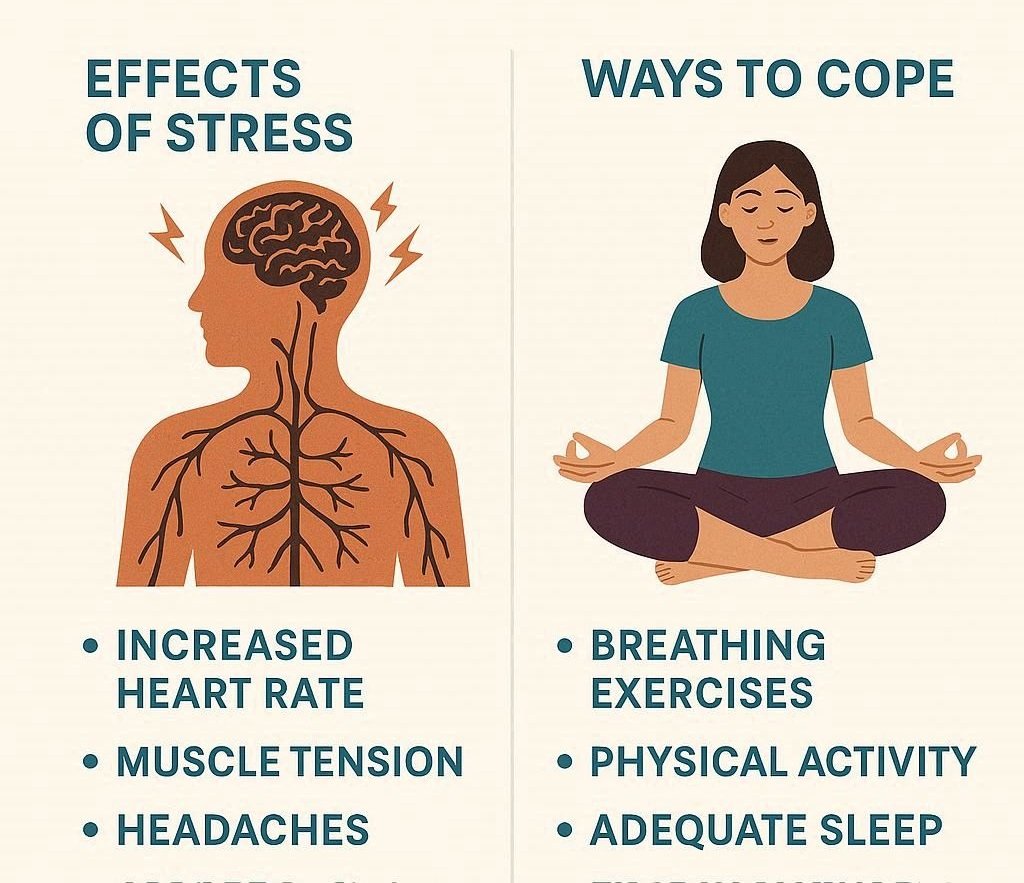
In cases of stress where the stress is common or long lasting the sympathetic system does not allow the parasympathetic nervous system to regulate the situation. This disproportion may cause physical symptoms like accelerated heart rate, muscle tension and exhaustion.
The effects of stress on the nervous system are even more dramatic in situations when this state continues because the body cannot restore its relaxed state. This shows the need to stimulate the parasympathetic system using relaxation methods and good habits.
Real-life interventions to cope with stress
The process of stress coping is vital to the health of the nervous system and the general well-being. Though stress is unavoidable, the impact of this problem can be minimized with the help of some practical and regular plans.
Exercise is one of the best methods of alleviating stress. Exercise also controls the level of hormones and the blood flow to the brain and maintains brain functioning.
Activation of the parasympathetic system and relaxation can be stimulated by the use of mindfulness, as meditation and deep breathing. These methods assist in eliminating the strength of the stress reaction and bring a balance to the nervous system.
A healthy lifestyle, proper nutrition and sleep are also quite important in reducing the effects of stress on the nervous system.
The significance of Recovery and Balance
The second important aspect of stress management is recovery. Nervous system needs time to get back to the normal state following a stressful event. Unless the effects of stress are properly recovered, the impact of stress may be long-term damage.
Having a combination of work, rest and recreation is beneficial in keeping the nervous system healthy. It is possible to overcome the impact of stress and enhance the well-being by performing activities that lead to relaxation and enjoyment.
Stress levels can be greatly decreased by focusing on the healing process and making sure that the body does not have to stress and just rests.
Conclusion
Stress is a part and parcel of life and its impacts on the nervous system cannot be ignored. Although short term stress boosts performance, chronic stress may disrupt neural mechanisms and cognitive and emotional impairment.
The effects of stress on the nervous system are alterations in neural pathways, poor cognitive ability, and the possibility of developing long-term health problems. It is important to understand the effects and then take proactive steps in order to deal with stress.
With the help of healthy lifestyle, relaxation methods and practicing good habits people can guard their nervous system and contribute to their long-term health. Stress management is not only a mental health concern, but also a concern to maintain a healthy body functioning in the daily life.