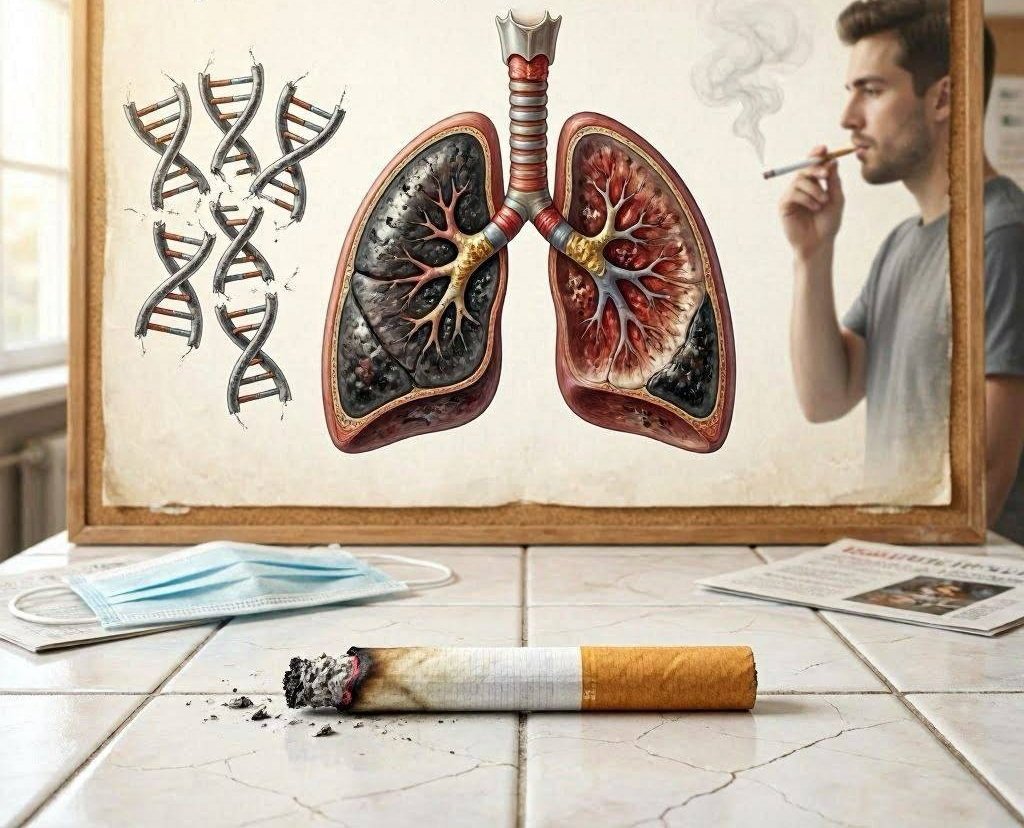
Smoking is a major contributor to preventable illness and premature death globally because it harms almost all parts of the respiratory system, and can cause damage to the heart, blood vessels and other organs in the body. With every puff of cigarette smoke, thousands of chemicals enter the lungs and airways, some of which are toxic gases, tar, and chemicals that cause cancer, causing the airways and lung tissue to become weak over time and disrupting breathing. People often think of smoking and lung cancer, but the effects of smoking that impact quality of life start long before cancer occurs, and can impact the lungs in many ways. As with any habit, smoking affects the body over time by weakening the airways and damaging alveoli, decreasing the amount of oxygen exchanged and increasing inflammation, making it harder to breathe and making the body less efficient.
Smoking harms the body every time someone smokes and the effects of smoking go far beyond just coughing or shortness of breath. According to information from health consequences of smoking, smoking increases the risk of chronic respiratory diseases, cardiovascular disease, stroke, and several forms of cancer. The respiratory system is particularly at risk because it comes into direct contact with the smoke and harmful particles when they are inhaled. Educating people on the impact of smoking on their lungs, airways and alveoli can help to spread awareness of the long-term health risks of tobacco use and promote healthier lifestyle choices to ensure respiratory wellness and overall health.
Smoking harms the respiratory system in a number of ways
Supply oxygen to the body and the removal of carbon dioxide from the body is performed with a well-coordinated action of the respiratory system, which includes a nose, a trachea, bronchi, lungs, and alveoli. Smoking hinders this process by damaging the sensitive tissues in the respiratory system through toxic chemicals which cause irritation, inflammation and structural damage. Cigarette smoke contains carbon monoxide, formaldehyde, ammonia and tar, which all have an adverse effect on lung function. Inhaled, these chemicals enter the lungs and immediately start to damage cells in the lung tissue.
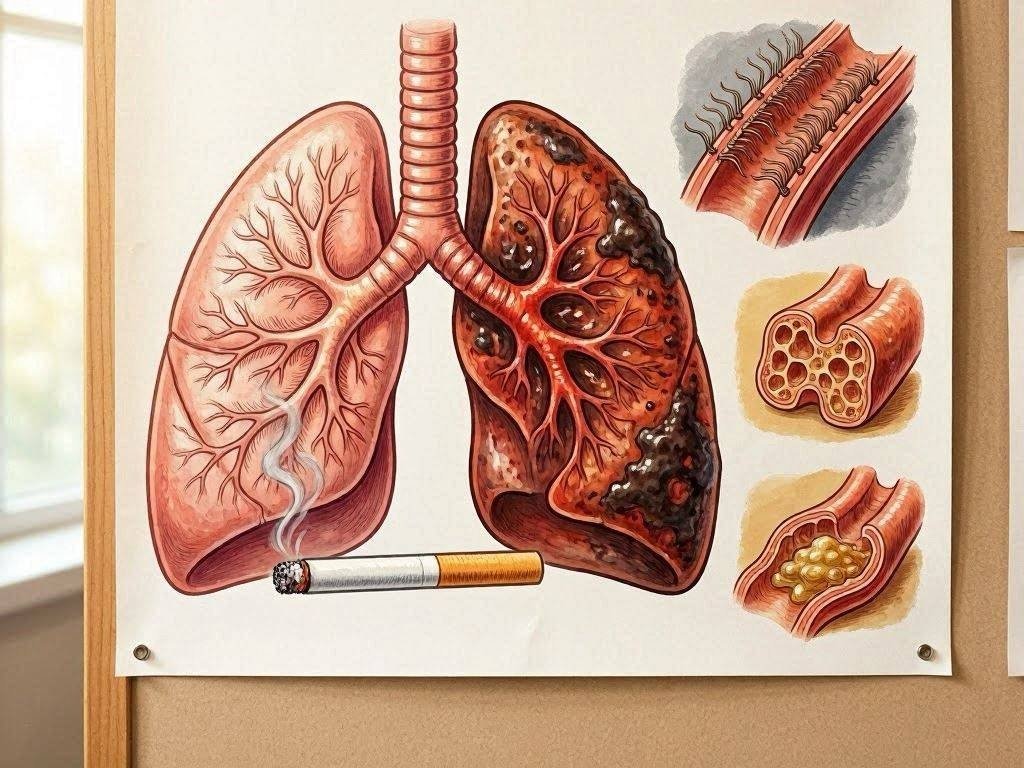
The airways lining is one of the first parts of the body to be impacted by smoking. The airways are lined with tiny hairs (cilia) that catch dust, bacteria and mucus and then sweep it out of the lungs. Smoking hurts and paralyzes these cilia, which decreases the lungs’ ability to properly clean itself. This leads to a build up of mucous secretions and harmful particles in the respiratory tract, which raises the risk of chronic coughing, infections and irritated airways. Smokers may also have a “smoker’s cough” when their body tries to get rid of the extra mucous material and toxins in the lungs.
Smoking also leads to inflammation and narrowing of the airways, which eventually hinders the flow of air. This can cause problems with breathing when exercising and ultimately at rest. The lungs’ ability to move oxygen into the bloodstream is lowered, thus lowering energy levels and putting extra strain on the heart and circulatory system. The respiratory system is constantly active for the whole lifetime and smoking gradually reduces the efficiency of the lungs over time, which raises the likelihood of developing a serious respiratory disease.
The Effect of Smoking on Alveoli and Oxygen Exchange
The alveoli are the tiny air sacs within the lungs that take oxygen in and expel carbon dioxide from the body. They have a large surface area for gas exchange, which is important for respiration. Alveoli are elastic and flexible so that they expand when you inhale and contract when you exhale. This elasticity, however, is gradually lost as the walls of the alveoli are destroyed by smoking and they become less efficient.
The thin membranes of the alveoli become damaged by toxic chemicals in cigarette smoke, and inflammation occurs. This damage can eventually lead to loss of neighbouring alveoli and fusion of air spaces into larger less efficient ones. The alveoli’s surface area decreases with the diminishing number of healthy alveoli making it harder to breathe and more difficult to absorb oxygen. This damage can be especially harmful because the alveoli are unable to regenerate well once they are damaged.
Since the organs and tissues need oxygenated blood to function properly, this decreased exchange of oxygen affects the whole body. Smokers may feel tired, lack endurance, breathless or struggle with physical activities as their lungs are unable to supply oxygen. The heart also has to pump blood which is low in oxygen more vigorously, resulting in increased cardiovascular strain. As the alveoli gradually break down, it not only harms respiratory function but also gives rise to other health issues, impacting overall wellness and longevity.
Chronic Bronchitis and Airway Inflammation
Another smoking-related respiratory illness is chronic bronchitis, which is a chronic inflammatory condition of the bronchial tubes. Bronchi are air passages that lead into the lungs: when they become inflamed they secrete excessive mucus which makes breathing more difficult and causes difficulty in breathing. Chronic bronchitis can be described as a long-term productive cough which persists for months or even years; smoking is the most common cause of chronic bronchitis.
Smoking causes chronic irritation of the lining of the airways, causing mucus glands to make more thick mucus. Smoking also harms the cilia, making it harder for the body to clear this mucus. When mucus builds up, the airways close even more and breathing becomes more difficult and coughing occurs more. Trapped mucus can allow the rapid growth of bacteria and viruses, making it likely that many smokers with chronic bronchitis will have wheezing, chest tightness, and frequent respiratory infections.
Chronic Bronchitis can negatively impact on quality of life and daily functioning over time. Basic exercise like walking for long periods or climbing stairs can become tiring with poor airflow and delivery of oxygen. Continued smoking causes the condition to continue to get worse over time, and quitting smoking can improve the symptoms of the lungs and slow any further damage. Chronic Bronchitis is a good example of the way smoking causes acute (short-term) inflammation to become chronic (long-term) bronchitis and can lead to life threatening conditions.
Lung damage (emphysema) and permanent lung damage
Another serious lung disease often associated with smoking is emphysema, which is one of the key types of chronic obstructive pulmonary disease (COPD). In emphysema, the damage to the alveoli and lung tissue is the primary issue, while in chronic bronchitis, the airways are the major targets of the disease. Over time, the walls of the alveoli thin and collapse, leading to an increase in air spaces in the lungs and a decrease in efficiency of breathing.
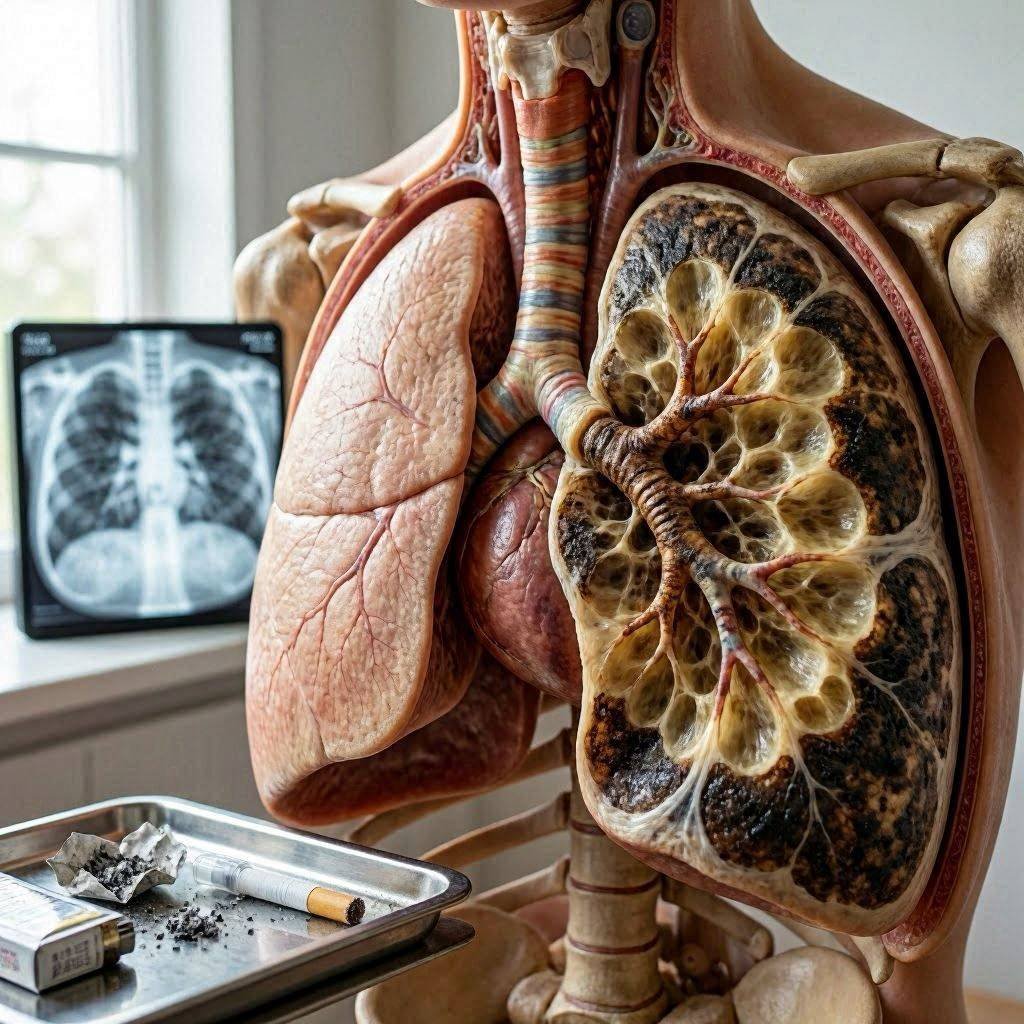
This destruction leaves the lungs less elastic and prevents people from expelling air from their lungs completely. This causes a build-up of stale air and reduces the amount of fresh oxygenated air entering the lungs on inhalation. Because lungs of persons with emphysema are less efficient at exchanging gases, they may have serious trouble breathing, particularly when exercising. Breathing may be hard to do and some will eventually need to use supplemental oxygen to keep adequate levels of oxygen in the blood.
The real dangers of emphysema are that there is no cure, that is. Although the treatment can help control your symptoms and make your life better, the destroyed alveoli can’t be repaired. Smoking cessation is the best way to slow disease progression and maintain lung function. Emphysema illustrates the far-reaching health effects of smoking, reporting not just irritation or short-term breathing problems, but also permanent health disabilities of the respiratory system.
Smoking is a factor that contributes to an increased risk for lung cancer
Tobacco smoke contains carcinogens that are able to affect the DNA of lung cells, making smoking the primary cause of lung cancer. Every time smoke gets in the lungs, these harmful chemicals can raise the risk of mutations in the DNA that may lead to the uncontrolled growth of cells. Prolonged exposure to carcinogens makes cancer highly likely over the years, especially for long-time smokers.
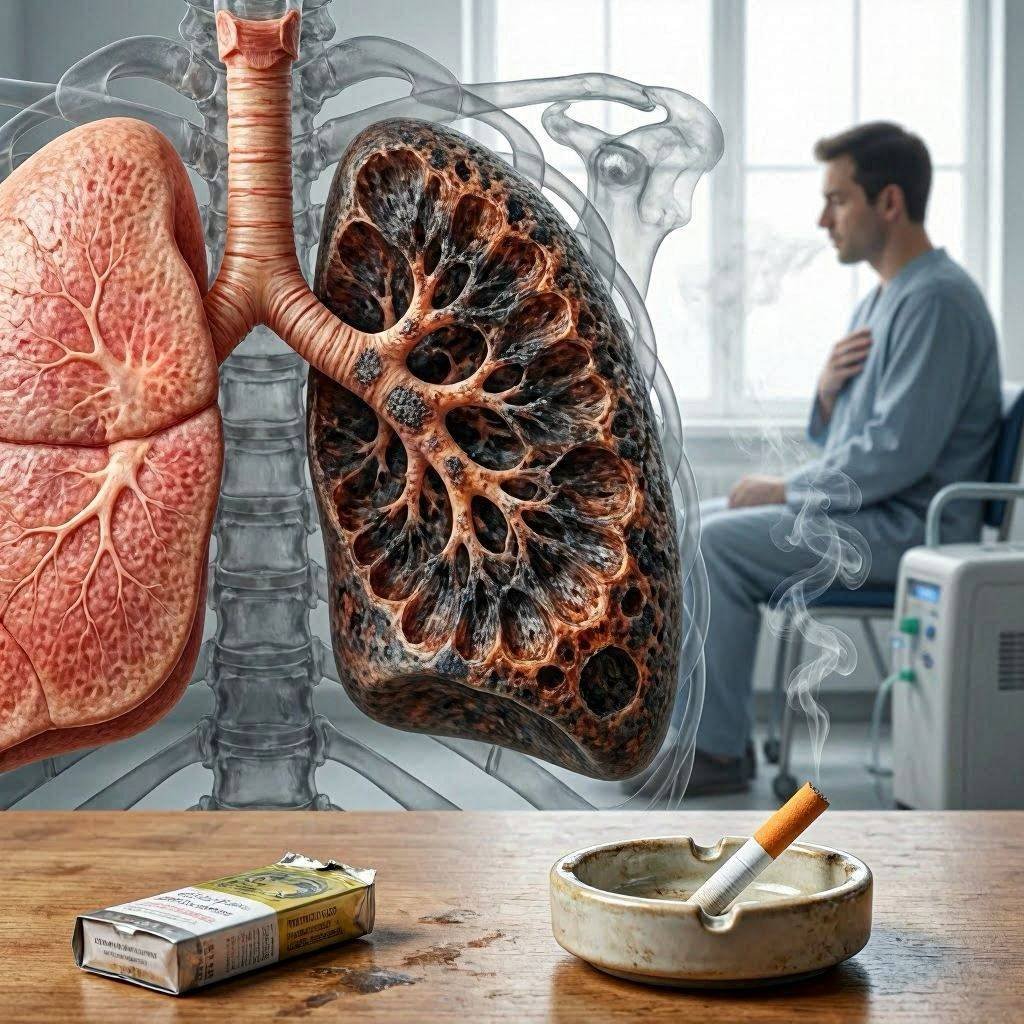
In early stages, lung cancer can often be silent, meaning symptoms are not evident until the disease has advanced. Common symptoms are persistent coughing, chest pain, coughing blood, unexplained weight loss and increasing shortness of breath. Lung cancer is one of the most deadly cancers in the world because it can travel to other organs of the body before it is diagnosed.
In addition to an increased risk of lung cancer, smoking also poses a risk to oral, throat, esophageal, pancreatic, renal, and bladder cancers. Secondhand smoke can also raise the risk of cancer in non-smokers, especially in children and those who live with people who smoke. An example of how smoking can be life threatening relates to the relationship of smoking to cancer, and the effects of smoking can be felt throughout the body.
Smoking cessation and healthy lifestyle choices have many benefits
While smoking can have a significant impact on the lungs, quitting smoking offers significant health benefits at any age. Carbon monoxide levels in the blood rapidly drop down and oxygen levels increase after you quit. As inflammation subsides and cilia regain their function, a certain level of lung function may return over time. People who used to smoke can see improvements in their breathing, energy, blood flow and physical stamina in the weeks or months after quitting.
After a long time, stopping smoking drastically lowers the risk of chronic bronchitis, progression of emphysema, lung cancer, heart disease and stroke. You may end up with permanent damage to your lungs, but quitting will stop further damage and enhance your quality of life. Are there support systems in place to help smokers quit successfully and keep them healthy? Does the individual have access to counseling, nicotine replacement (for cigarettes), exercise, and stress management (to cope with stress)?
A healthy lifestyle also helps to improve respiratory function and well-being. Exercise improves the heart and lung function and a well-balanced diet aids in tissue repair and immunity. Staying away from smoke and environmental pollutants is another good way to take care of the lungs’ health. These healthy options make breathing easier, improve respiratory efficiency, and lessen the long-term health risks from smoking.
Conclusion
Smoking does serious and progressive damage to the respiratory system by damaging the airways, alveoli and lung tissue involved in breathing and gas exchange. Cigarette smoke contains toxic chemicals that damage cilia, cause inflammation, cause loss of alveoli and decrease lung elasticity, eventually making it harder and less efficient to breathe. These effects play a part in the development of serious disease like chronic bronchitis, emphysema, chronic obstructive pulmonary disease and lung cancer.
Smoking’s long-term health effects are not just on the lungs, but on the whole body as well, because lower levels of oxygen mean that the cardiovascular system and other body systems are under stress. All this may be beneficial for the respiratory function, help to slow the progression of disease, and facilitate improved long-term health outcomes, despite the risks. Awareness of the effects of smoking on the respiratory system underscore the need to refrain from tobacco use and practice healthier lifestyle habits that will help maintain lung function, enhance breathing and promote general health.