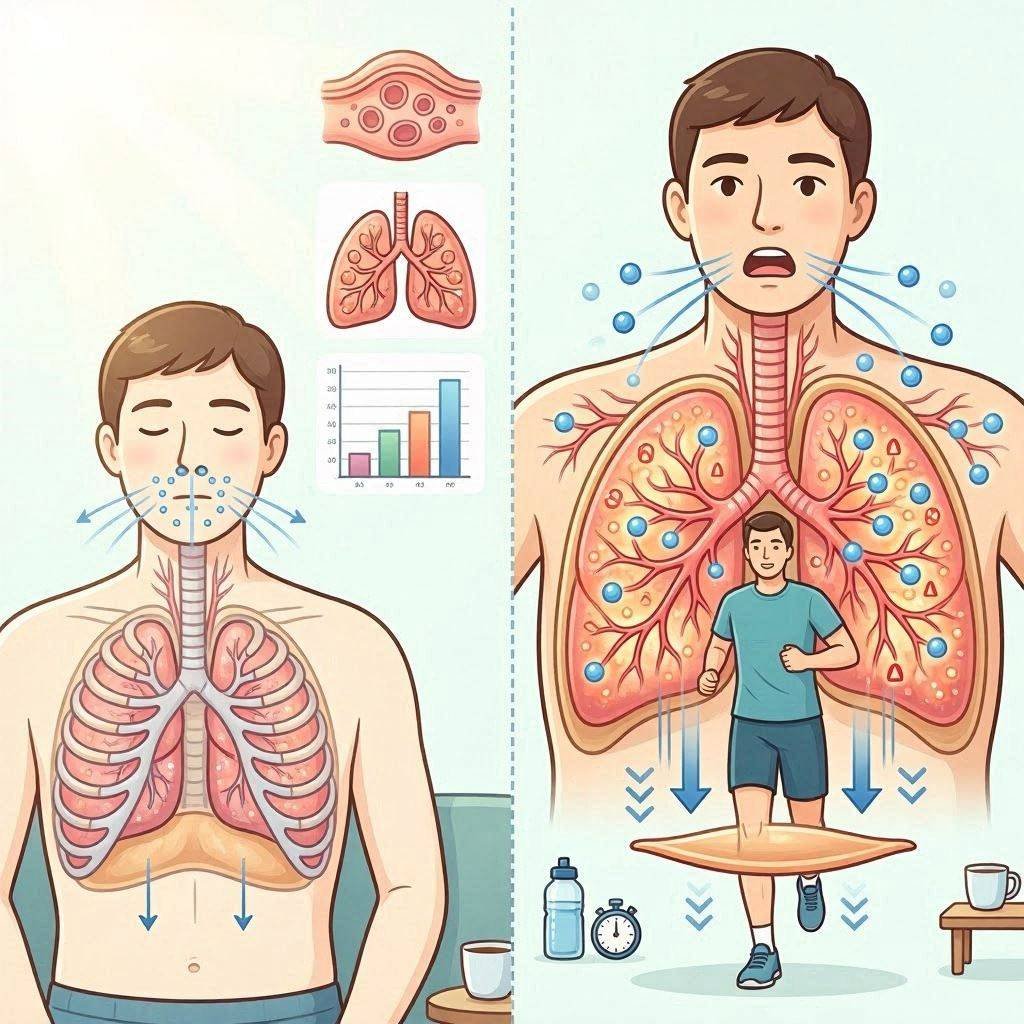
When a person exercises, the human body is using a lot more energy, or using muscles, organs and tissues harder, than it does while at rest. These greater energy requirements require larger amounts of oxygen be brought to the active muscles and the body to get rid of more carbon dioxide generated during exercise. That is why breathing alters almost instantaneously at the onset of exercise. The respiratory and circulatory systems get into a faster and deeper rhythm as they work to keep oxygen balanced and in a constant stream of movement. The lungs and heart respond quickly to supply oxygen to muscle function and endurance, whether a person is running, swimming, walking, cycling or lifting weights.
Exercise, breathing, and cardiovascular health is so significant due to the fact that the body’s respiratory system is in a strong relationship with the cardiovascular system, both of which are responsible for supporting the function of the body and enhance its general health. Cleveland Clinic says cardiovascular health is a key factor in the efficiency with which the blood delivers oxygen throughout the body. With regular exercise, the lungs and cardiovascular system get stronger and the body will be able to utilize oxygen more efficiently, which in turn will increase endurance over time. By learning more about how breathing can change during physical activity and how physical activity can impact lung performance, people can value the importance of movement for respiratory efficiency, heart function and overall health.
The reason for breathing becoming faster during exercise
When muscles start to work harder, the need for energy increases and this results in faster breathing rates during exercise. When the body is active, working muscle cells need more oxygen for the production of adenosine triphosphate (ATP) which is used in muscle contraction and movement. As energy production grows, more CO2 is being released as a by-product. The respiratory system reacts quickly by increasing the rate and depth of breathing, to get more oxygen into the lungs and get rid of too much carbon dioxide from the body. This enables a constant level of oxygen in the blood and avoids the build-up of carbon dioxide which may lead to a loss of internal balance.
These breathing adjustments are regulated by an important role of the brain. The blood senses levels of oxygen and carbon dioxide and relays the information to the respiratory centers in the brainstem. At the start of exercise, carbon dioxide levels increase quickly, causing increased and deeper breathing before oxygen levels fall considerably. Diaphragm and intercostal muscles (between ribs) contract with greater force to enlarge the lungs and increase the amount of air moving in and out. This increased ventilation allows oxygen to be carried to the muscles at the same rate they are required and allows the removal of the waste gases in an efficient manner during exercise.
The breathing pattern varies according to the intensity of the exercise. Moderate activities, like walking, will lead to moderate increases in breathing rate, and vigorous activities like sprinting or HIIT can lead to rapid and heavy breathing. In hard exercise, breathing can be so deep and forceful that other muscles are recruited to help with breathing from the neck and chest. This is a reflection of the adaptability of the respiratory system to meet the body’s physical needs and ensure adequate oxygen supply at various times and under varying circumstances.
Working out with the lungs is beneficial for endurance and physical performance
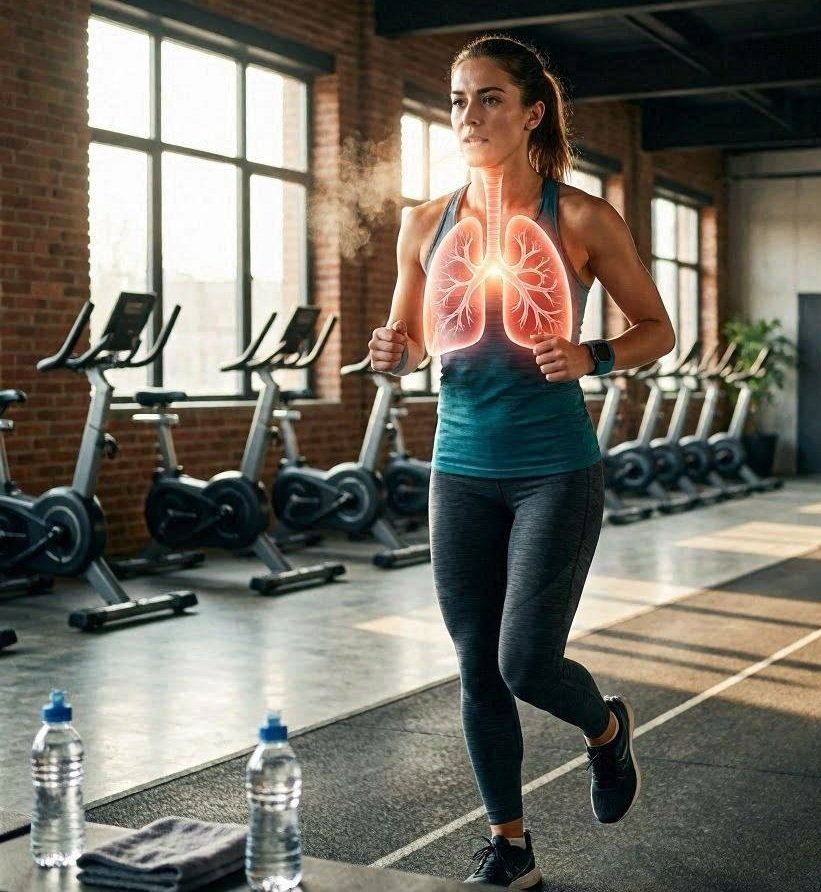
Lungs are very important for endurance as they take oxygen from the air into the blood stream and get rid of carbon dioxide during the process of exhalation. The lungs contain millions of very small air sacs (alveoli), which facilitate the exchange of gases. The lungs receive more blood during exercise, and more oxygen is transported to the bloodstream and more carbon dioxide is carried away from the bloodstream. This is because this extra gas exchange is crucial to allowing them to maintain their physical activity and for them not getting tired too quickly.
Athletes and physically active people who have efficient lung function are able to perform better, since their bodies are able to bring the oxygen to working muscles more efficiently. When oxygen is available to the muscle tissue, it enables aerobic respiration to occur, releasing energy in a more efficient way and for longer. People who have healthy lungs and breathing muscles are less likely to become short of breath when exercising since their lungs and breathing muscles are prepared to cope with more air moving. Training also allows for better use of the lungs as the diaphragm muscles and breathing muscles are strengthened, enabling more controlled breathing during training.
Endurance performance is not only dependent upon the capacity of the lungs but also on the ability of the cardiovascular system to carry oxygen to and from the lungs. The heart has to deliver oxygenated blood adequately and rapidly to supply the needs of the muscles and the blood vessels have to transport this blood to the muscles efficiently throughout the body. The respiratory and circulatory systems are now seen to work together as a coordinated support system for exercise performance. In healthy and well-conditioned systems, people can enjoy better endurance, recovery rates, and physical capabilities.
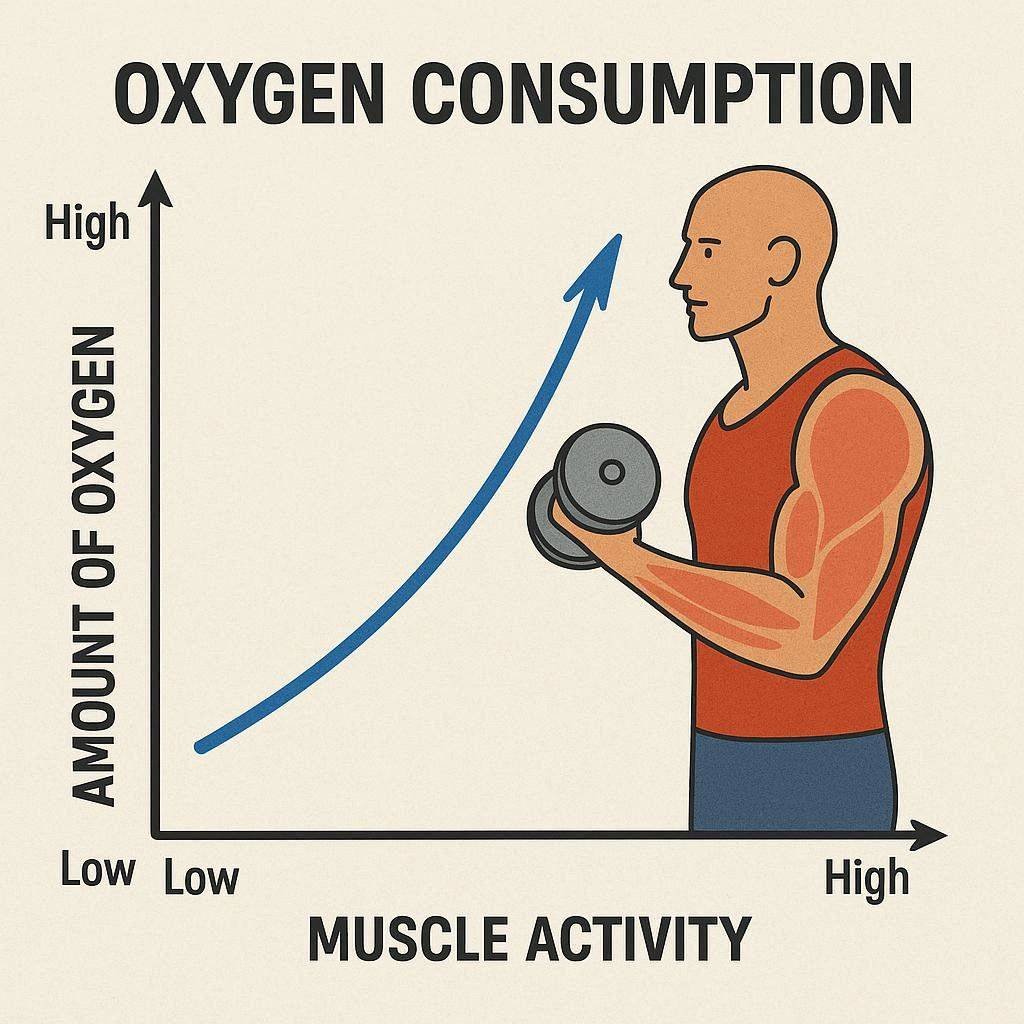
The amount of oxygen that is needed by the body and the activity of the muscles while exercising.
For muscles, energy demands are greatly raised during exercise, which results in a significant higher oxygen requirement. When a muscle is at rest, it requires relatively little oxygen to maintain its posture and perform essential functions, but during physical activity oxygen requirement increases rapidly. This is because there is a higher demand as the muscles are required to produce repeated contractions which demand continuous ATP production. Aerobic respiration is essential for the efficient release of useable energy from the nutrient molecules by cells.
When the muscles are exercising, the circulatory system responds by raising the heart rate and blood flow to exercising muscles. Arteries and capillaries carry oxygen-rich blood to capillaries in muscle cells where oxygen diffuses into the cells for use in energy production. Muscles also generate more CO₂ and heat during exercise, and the removal of this gas must occur at a greater speed to keep internal conditions stable. The lungs contribute to this by enhancing the ventilation and the capacity for gas exchange to meet metabolic requirements.
In very high-intensity activities, the body will use anaerobic metabolism to a greater degree than aerobic metabolism because oxygen supply can not meet energy requirements. This can cause an increase in lactic acid and the feeling of fatigue or burning in the muscles. But frequent exercise increases efficiency with oxygen use, so over time, one will not get tired as easily and will be able to sustain longer. This adaption enables the trained individual to continue to have a higher level of activity with less strain on the respiratory system and less muscle fatigue.
Exercise benefits breathe more efficiently
Regular exercise increases the strength of the respiratory system and enhances the efficiency of breathing in a number of important ways. A key change is an increased efficiency of lung ventilation (how well the lungs can transfer air in and out of the body at rest and during activity). Regular exercise increases the force of the diaphragm and the muscles of the respiratory system, which makes breathing more powerful and effective. Therefore, the number of breaths per minute in a physically active person at rest is usually smaller due to more efficient use of oxygen.
Exercise also enhances oxygen uptake and transport in the body. Frequent exercise improves blood flow and improves oxygen and carbon dioxide exchange in the lungs. With time it develops a greater capacity to transport oxygen to tissues and eliminate carbon dioxide. This means that activities, which were once strenuous, can be easier once fitness has increased. When breathing becomes more efficient, so does their ability to endure, fatigue and physical performance during their activities and exercise.
Exercise is also great for the cardiovascular system. Exercise enhances the strength of the heart muscle, flexibility of blood vessels, and proper blood pressure and circulation. These health benefits for the heart and blood vessels allow for improved oxygen transport to the body and decreases the work of the heart and lungs. Physical activity can also lower the chances of developing diseases like obesity, hypertension, diabetes and cardiovascular diseases that can impact the respiratory and circulatory system in the long run.
Exercise and Cardiovascular Health: How We’re Connected
Exercise and cardiovascular health are closely related because the heart and lungs are closely coupled to facilitate exercise and transport oxygen. Exercising makes the heart’s pumping rate increase and more force, which is responsible for delivering oxygen-rich blood to the muscles and organs during exercise. Meanwhile, breathing increases in rate to capillary offload more O₂ and more CO₂. The coordinated response is a long-term consequence that enhances both systems over time, leading to a better state of physical fitness, and a decrease in disease risk.
Exercise helps to improve circulation and lowers resting heart rate, blood pressure, cholesterol levels and improves blood vessel function. These adaptations make the heart more efficient at pumping blood, while minimizing strain on the circulatory system. Improved cardiovascular function also means that tissues may receive more oxygen for better endurance and quicker recovery from physical activity. Therefore, people that are physically active will tend to feel more energetic and less tired in their daily activity.
Mental and emotional health is also promoted by exercise and this has a positive indirect effect on the cardiovascular and respiratory function. Exercise also lowers stress hormones, and so can help to relax you, which decreases the risk of your blood pressure rising and your breathing getting irregular in response to stress. Walking, swimming, cycling, and yoga are among the other exercises that involve the use of controlled breathing while also incorporating physical activity, which further ties in the importance of respiratory efficiency and cardiovascular wellness. These all-embracing advantages make exercise one of the best methods for keeping healthy for a very long time.
Factors that affect breathing when exercising
Factors affecting the changes in breathing during exercise include fitness, exercise intensity, environmental factors and general health. People are physically fit can breathe more efficiently because their lungs, heart and muscles are better suited to the needs for oxygen. Beginners or sedentary people, on the other hand, may become tired earlier and start to breathe heavily during a moderate exercise due to their not being well-conditioned to exercise.
Breathing can also be influenced by environmental factors like high or low altitudes, temperature, and air quality during exercise. At higher altitudes, the amount of oxygen is less and the body must increase its breathing rate to get the oxygen it needs. During warm or humid weather it may be necessary to work harder to breathe in order to maintain the body’s temperature and fluid balance. Air pollution or allergens can aggravate airways and impair breathing during exercise particularly in people with asthma or respiratory conditions.
Hydration, nutrition and posture are other factors which may affect respiratory performance. Good nutrition provides a well balanced supply of nutrients that are essential for energy production and transport and good hydration ensures maintenance of blood volume and efficient circulation. A good posture enables the lungs to expand to their full capacity during exercise and optimises the efficiency of breathing and the flow of air. These factors all show that breathing performance relies on several factors of health and lifestyle.
Conclusion
Since the body has to switch its breathing patterns rapidly to meet the oxygen needs and eliminate carbon dioxide during exercise, exercise will affect breathing. The lungs and the respiratory muscles react by increasing both the rates and the depths of breathing, so working muscles can obtain the oxygen they need and remove the waste gases efficiently. Meanwhile, the cardiovascular system plays a role in aid the flow of blood, supplying oxygen to all areas of the body. This synchronized response enables movement, endurance and performance to sustain during high intensity activities.
Exercise builds up the respiratory and circulatory systems, and over time enhances the efficiency of the lungs, oxygen transport and cardiovascular health. Exercise improves the body’s ability to use oxygen, strengthens endurance, decreases fatigue, and decreases the risk of developing chronic diseases which can impact breathing and circulation. The changes in breathing during exercise stress illustrate the need for an active lifestyle to ensure optimal respiratory function, cardiovascular function and health.