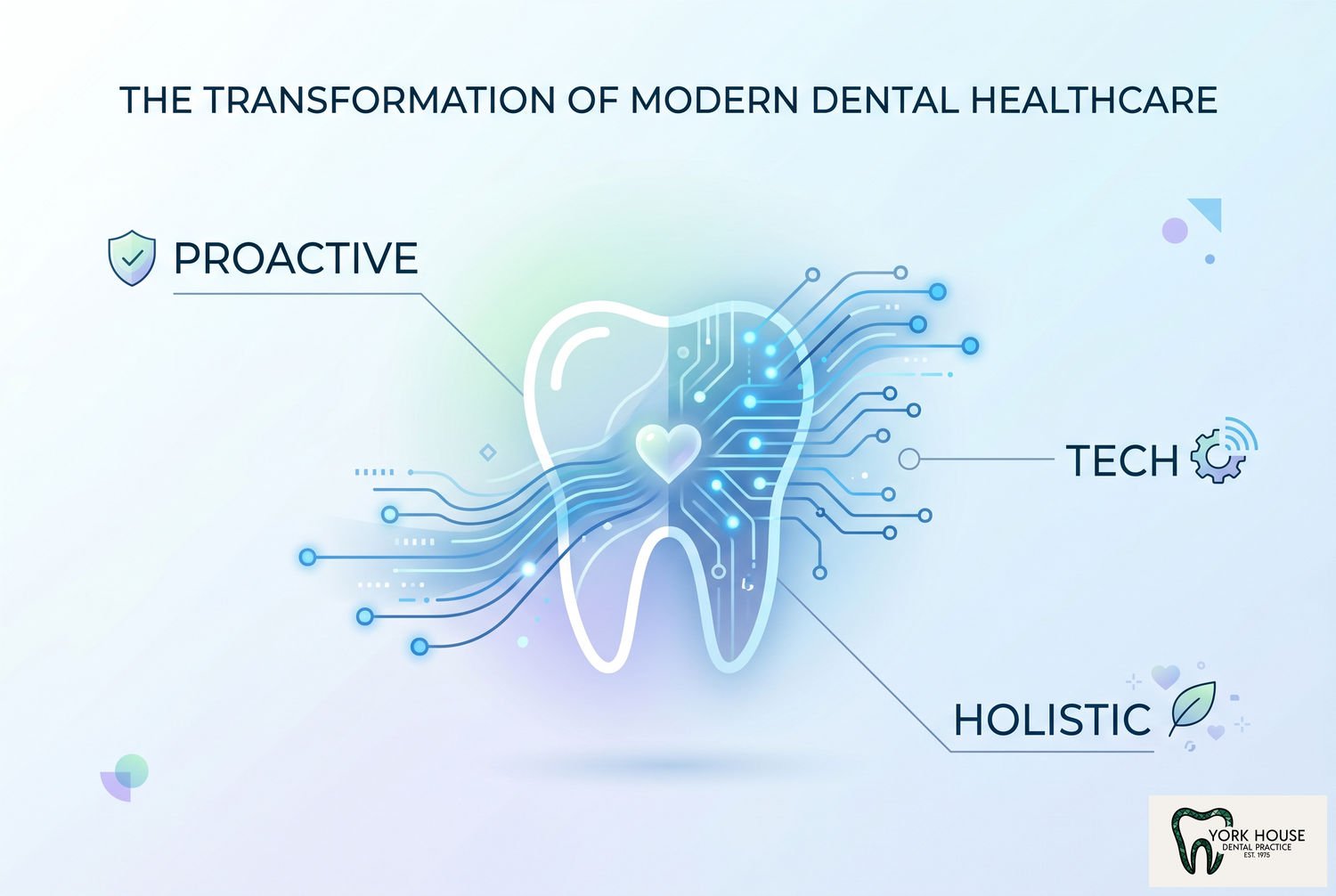
Dental healthcare has experienced a profound and rapid transformation over the past decade. As we navigate the complex intersection of advanced clinical technology, comprehensive patient care, and modern practice management, the contemporary dental clinic bears little resemblance to the stark, clinical environments of the past. Today’s practices prioritize a holistic, patient-centric approach that seamlessly blends cutting-edge diagnostics with an unparalleled focus on physical comfort and well-being. For the modern patient, visiting the dentist is no longer a purely reactive measure driven by pain or discomfort; rather, it has become a proactive, integral component of overall health management and personal wellness. This article delves into prevailing trends shaping the future of dental care, from the digitalization of the patient journey to the critical role of physical infrastructure in facilitating complex oral surgeries.
Redefining the Patient-Provider Relationship and Localized Care
At the heart of this revolution is the evolving relationship between practitioner and patient. In previous generations, dental care was often viewed as a standardized, one-size-fits-all service. However, contemporary patients are increasingly seeking highly personalized, localized care that treats them as individuals rather than just another appointment in the ledger. This shift requires dental professionals to be more than clinical experts; they must also be compassionate communicators and trusted partners in long-term health planning. Advanced diagnostic tools, such as three-dimensional cone beam computed tomography and intraoral digital scanners, have eliminated the need for uncomfortable traditional impressions, allowing for incredibly precise, bespoke treatment plans.
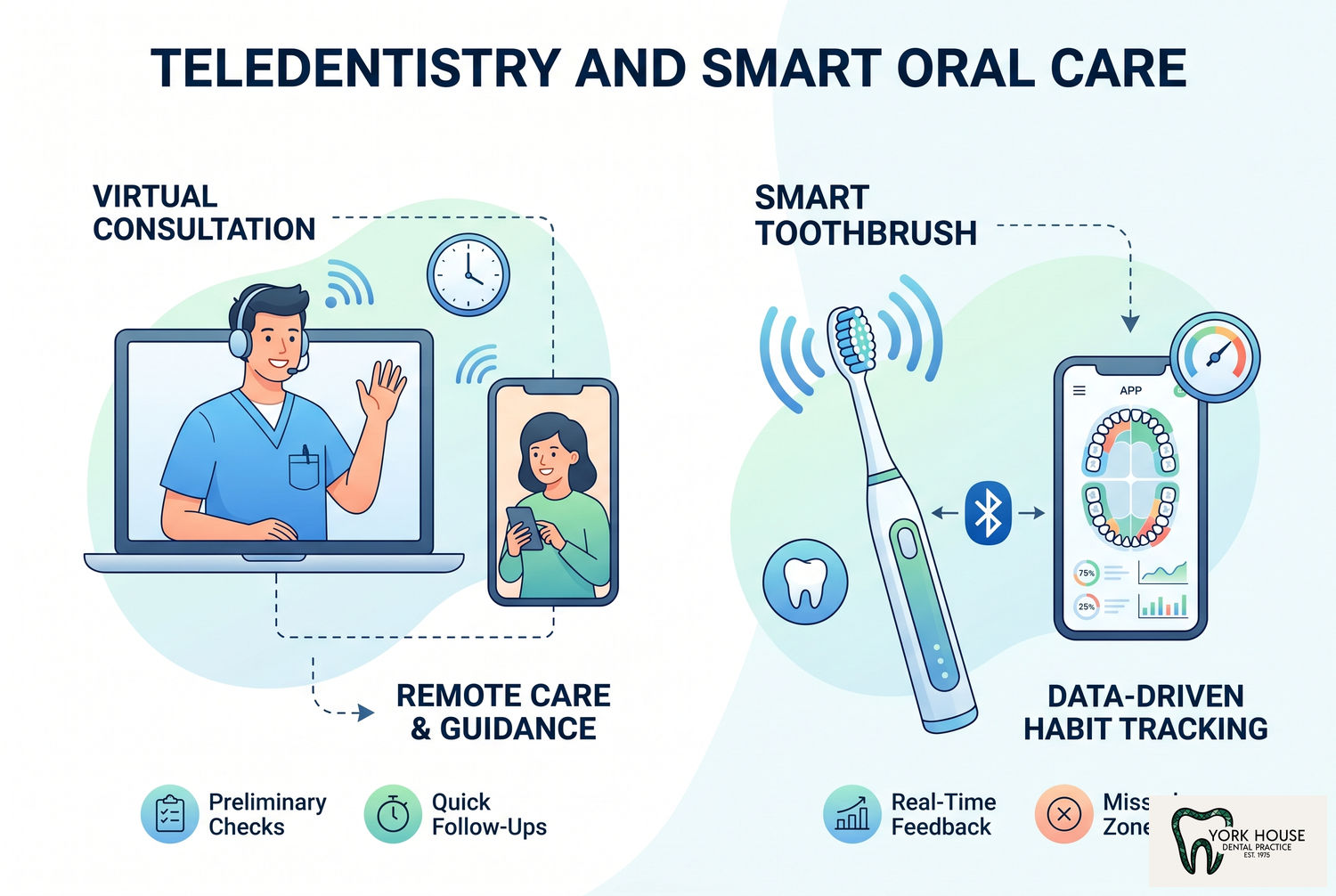
This technological leap is particularly evident in community-focused practices that blend deep-rooted traditional values with state-of-the-art restorative techniques. For instance, when searching for a reputable dentist west byfleet, patients expect a clinic that not only provides routine preventative maintenance but also offers comprehensive aesthetic and implant dentistry under one roof. Modern clinics are designed to alleviate dental anxiety through transparent communication, gentle techniques, and tailored preventative strategies. By bringing advanced specialist treatments into the familiar, welcoming setting of a local practice, dentists are successfully breaking down the historical barriers of fear and hesitation. Ultimately, this hyper-localized, patient-first approach ensures that individuals receive continuous, high-quality care throughout every stage of their lives, establishing a strong foundation for lifelong oral health and total body wellness.
The Digital Footprint and Navigating the Search for Quality Care
While the quality of in-house clinical care is paramount, a practice’s ability to connect with individuals seeking these services is equally crucial. In our highly digitized era, the patient journey begins long before they step foot inside the waiting room; it begins with a search query. As the dental market becomes increasingly competitive, clinics must rely on sophisticated digital strategies to ensure their innovative treatments are visible to the community. This is where online visibility comes into play.
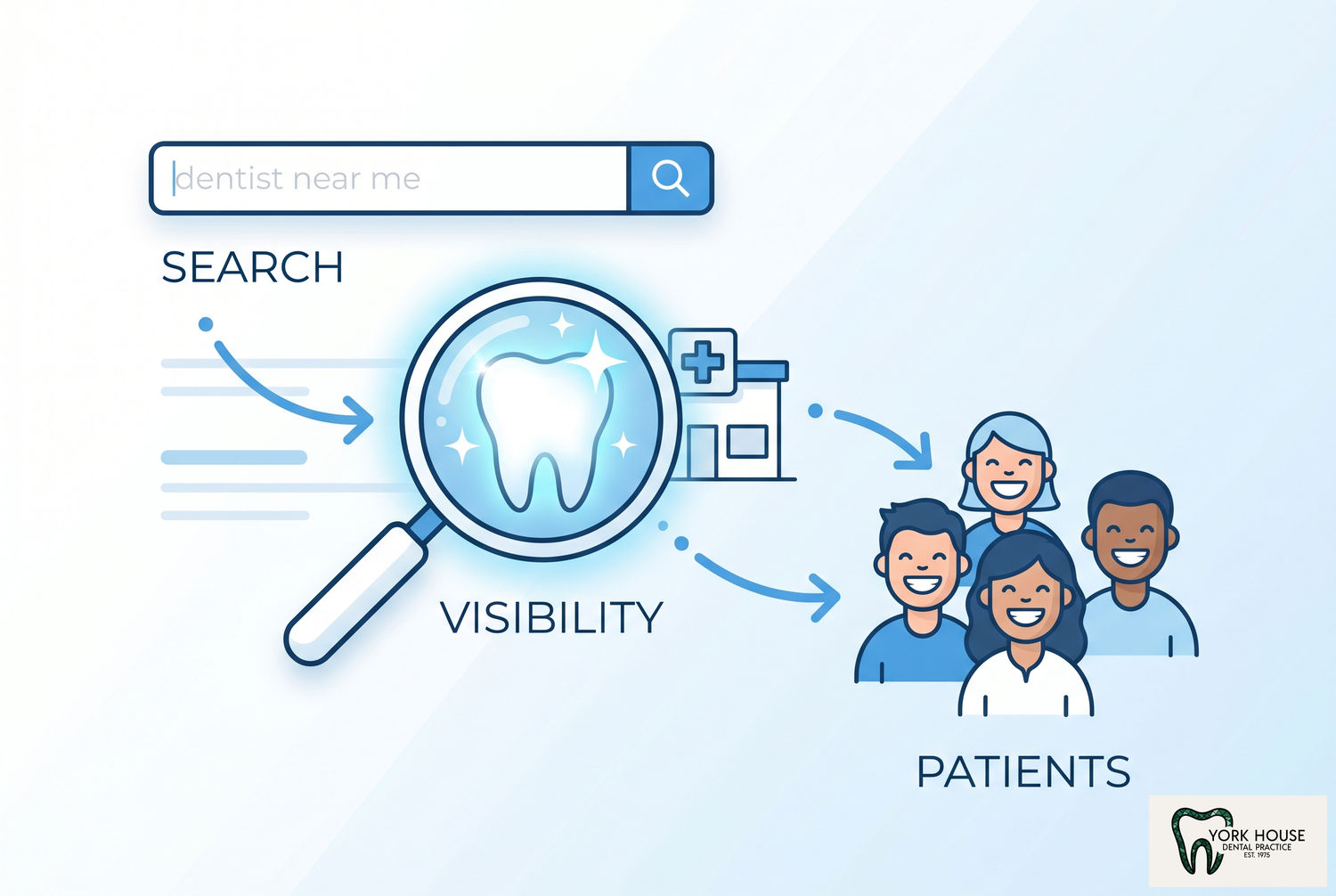
A beautifully equipped clinic offering the latest in painless laser dentistry will struggle to serve its community if potential patients cannot find it through standard search engines. To bridge this gap, modern clinics invest heavily in specialized digital marketing techniques. Effective dental seo ensures that a practice ranks highly for relevant local searches, making it effortlessly discoverable for individuals experiencing dental emergencies or seeking complex cosmetic overhauls. This specialized optimization goes beyond merely inserting keywords; it involves building an authoritative digital footprint through informative blog posts, verified patient reviews, and user-friendly website architecture. When a practice prioritizes its online discoverability, it empowers patients to make highly informed decisions regarding their healthcare providers. A robust digital presence effectively communicates the clinic’s ethos, showcases its technological capabilities, and highlights the expertise of its clinicians. By seamlessly connecting individuals with the top-tier care they require, targeted search visibility acts as a vital bridge between the clinical advancements of the modern dental surgery and the local community it proudly serves.
The Critical Role of Clinical Environment and Infrastructure
Beyond the digital realm and the localized expertise of the practitioner, the physical environment of the clinical setting plays a massive, yet often underappreciated, role in the overall success of dental treatments. As dentistry expands to include more extensive and complex procedures—such as full-mouth reconstructions, multiple surgical implant placements, and advanced maxillofacial interventions—the requirements for patient comfort and safety during these prolonged sessions have dramatically increased. The clinical infrastructure must therefore evolve simultaneously with the surgical techniques. A patient undergoing a lengthy, complex procedure requires specialized physical support to prevent fatigue, ensure proper airway alignment, and facilitate optimal circulation throughout the duration of the treatment. In advanced surgical centers and specialized dental hospitals, standard dental chairs are frequently augmented or replaced by highly adjustable, medical-grade physical supports.
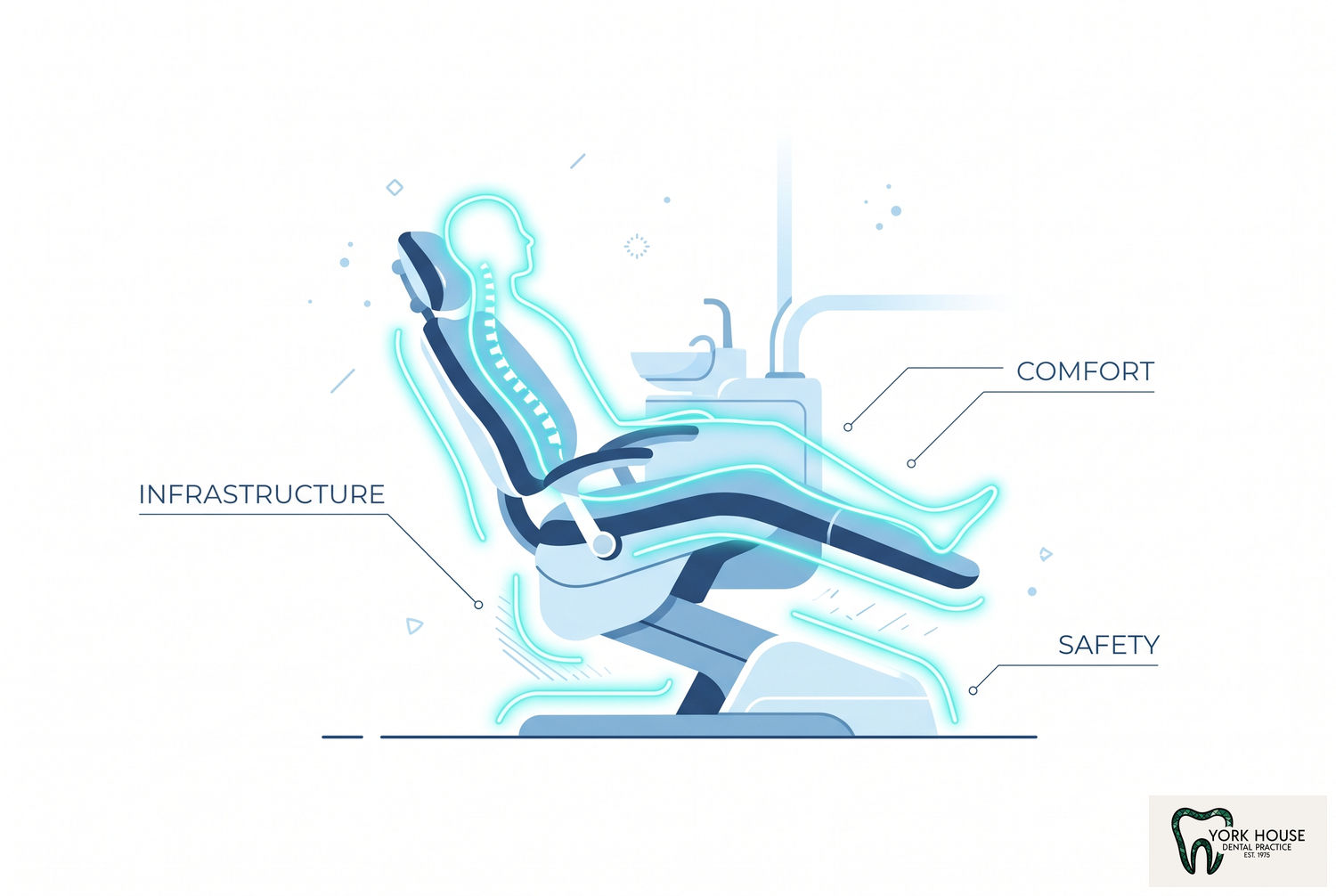
Procuring top-tier hospital furniture is absolutely essential for clinics performing extended procedures under conscious sedation or general anesthesia. These ergonomic, highly adjustable beds and surgical tables provide the necessary structural support, allowing surgical teams to operate with millimeter precision while ensuring the patient remains entirely secure and physically relaxed. Furthermore, during the critical immediate postoperative recovery phase, proper clinical furnishings are vital for monitoring vital signs and managing inflammation before the patient is safely discharged. By investing heavily in the physical infrastructure of the operatory and recovery suites, modern dental facilities demonstrate an unwavering commitment to holistic patient safety, ensuring that every variable—from the surgical tools used to the physical resting surface—is meticulously optimized for a successful and comfortable healing outcome.
Conclusion
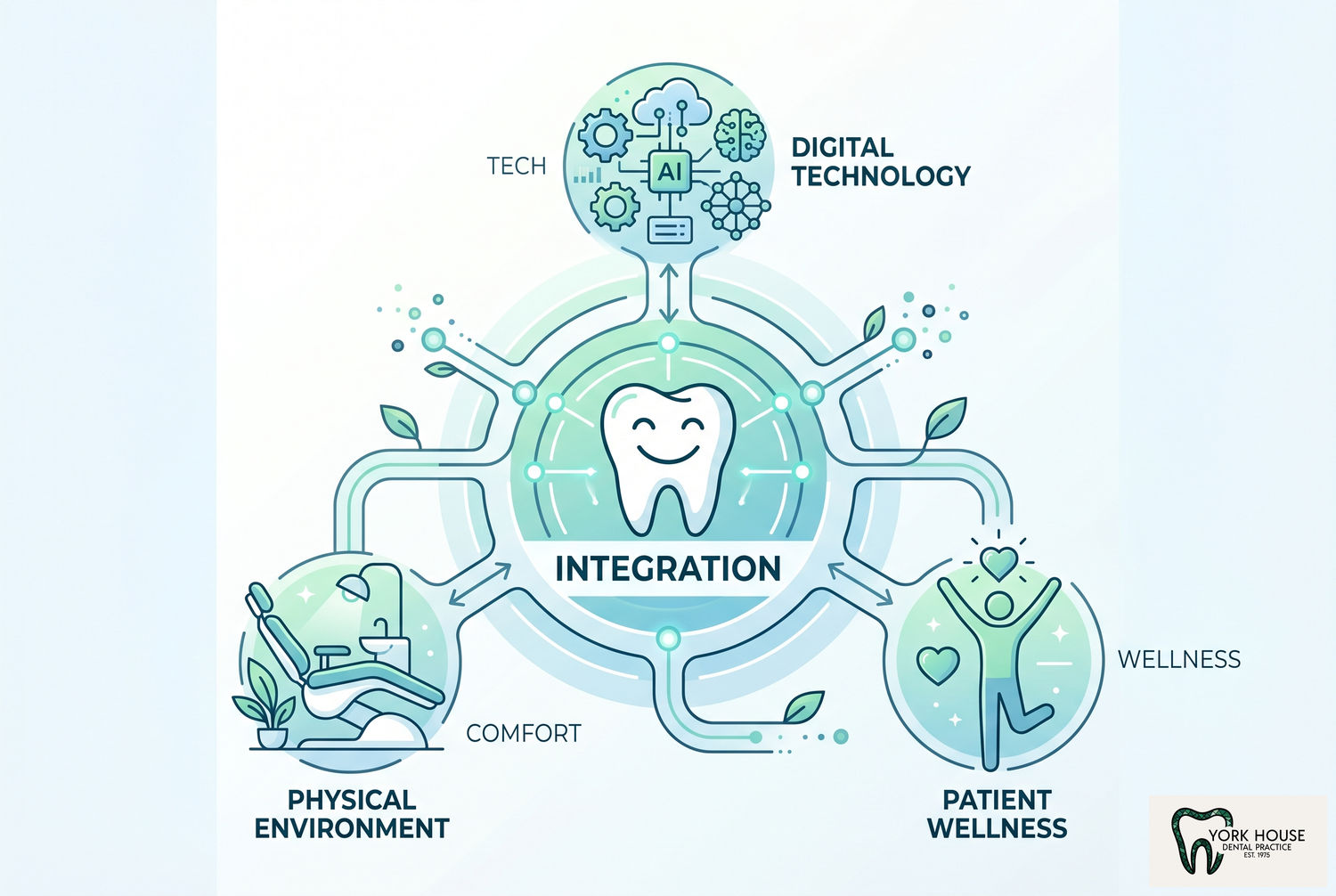
In conclusion, the future of dental health is not being shaped by a single technological breakthrough, but rather by the seamless integration of various disciplines. The modernization of the dental field requires a multifaceted approach: a localized, patient-first methodology that leverages advanced clinical diagnostics, a robust digital infrastructure that connects patients with the highest quality care available, and a meticulously designed physical environment that prioritizes safety and ergonomic comfort during complex surgical procedures. As the industry continues to evolve and innovate, patients are the ultimate beneficiaries. By embracing these sweeping, comprehensive trends, modern dentistry is successfully transforming the patient experience from a clinical necessity into a proactive, comfortable, and empowering journey toward lifelong wellness.