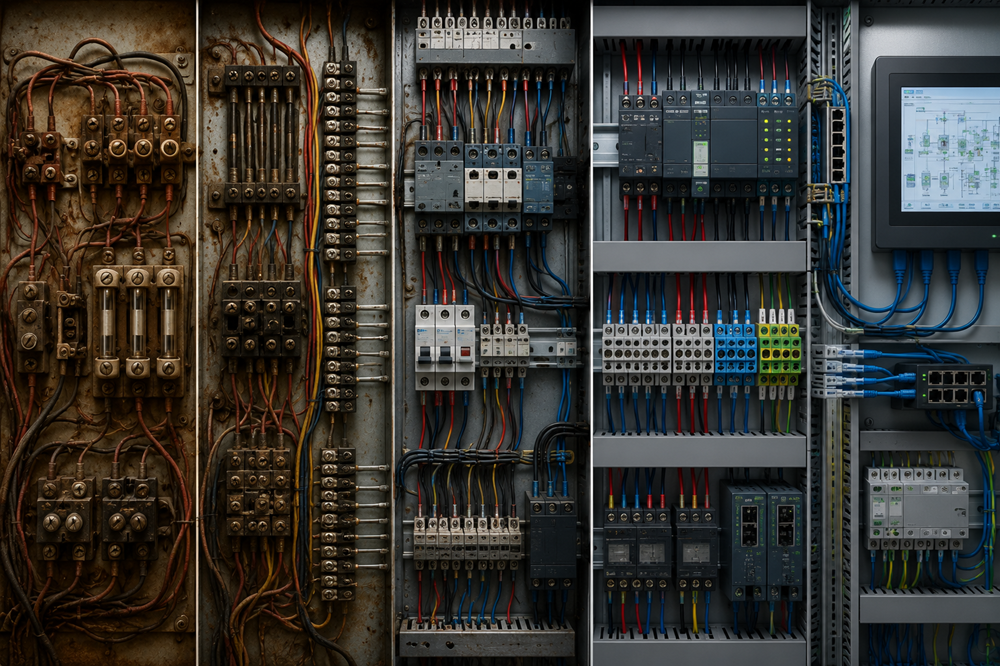
In modern industrial setups, keeping machinery running and automation systems efficient comes down to one thing: the quality of the connections inside the electrical enclosure. In these complex control panels, you have hundreds of conductors crammed into incredibly tight spaces. Even a tiny mistake when tightening a cable can cause major overheating or expensive, unexpected downtime. Professional panel builders know that to guarantee long-term conductivity, you can’t rely on sloppy, guesswork assembly. You need standardized, certified methods.
Prepping a flexible stranded wire is easily the most delicate step of the entire wiring process. Shoving bare copper strands directly into screw or spring-loaded terminal blocks is a recipe for fraying and oxidation. To fix this issue, using an industrial ferrule crimper is a fundamental technical choice. It turns a loose bundle of strands into a solid, compact, and perfectly shaped unit. By applying calibrated, uniform pressure across the entire surface of the end sleeve, this tool ensures a permanent mechanical bond. It drops contact resistance to zero and stops dangerous electrical arcing on your power lines.
Compression Tech and Die Geometries on the Shop Floor
The quality of an industrial connection doesn’t just depend on how much muscle an electrician puts into it. It’s about the mechanical precision of the dies shaping the metal. Professionals in the field need equipment that delivers absolute consistency, no matter how many crimp cycles they run through a long workday.
When you look at professional-grade tools for this specific job, the importance of a built-in ratcheting mechanism really stands out. These built-in devices stop the handles from opening until the tool reaches the full pressure needed to properly deform both the copper and the sleeve. On top of that, the crimp profile geometry is a massive factor in how well the wire seats into the terminal blocks. Using a ferrule crimper with a square or trapezoidal profile is indispensable for maximizing your available contact surface and ensuring a tight mechanical hold that easily exceeds international standards.
Ergonomics and Cutting Fatigue in Serial Wiring
Modern hand tools and benchtop equipment for industrial wiring put a massive emphasis on ergonomics, which directly affects the precision of the finished panel. During heavy serial wiring sessions on large control panels, an electrician repeats the exact same motion hundreds of times. That kind of repetition leads to muscle fatigue and isolated slip-ups.
Professional tools tackle this issue by using non-slip, dual-component plastic grips and optimized leverage designs engineered to slash the hand force required to complete a crimp. Having a tool with a calibrated handle opening means you can easily operate it with one hand, leaving your other hand completely free to align the conductor perfectly inside the insulated collar of the ferrule. This mix of comfort and smart design directly cuts down on the human errors caused by physical exhaustion.
System Certifications and Plant Safety
You can’t talk about the reliability of an industrial electrical system without treating the crimping tool and the terminal sleeve as a single, fully integrated system. Current technical standards require electrical connections to keep their structural integrity even under constant mechanical vibration, thermal shocks from shifting loads, and the corrosive environments common in factories.
Pairing high-quality lugs with properly calibrated professional crimpers guarantees full compliance with international certifications, giving maintenance managers total peace of mind. Protecting automation lines from loose contacts safeguards sensitive electronics like PLCs and inverters. Ultimately, it strengthens shop floor safety and prevents nightmare emergency repair bills on your machinery.