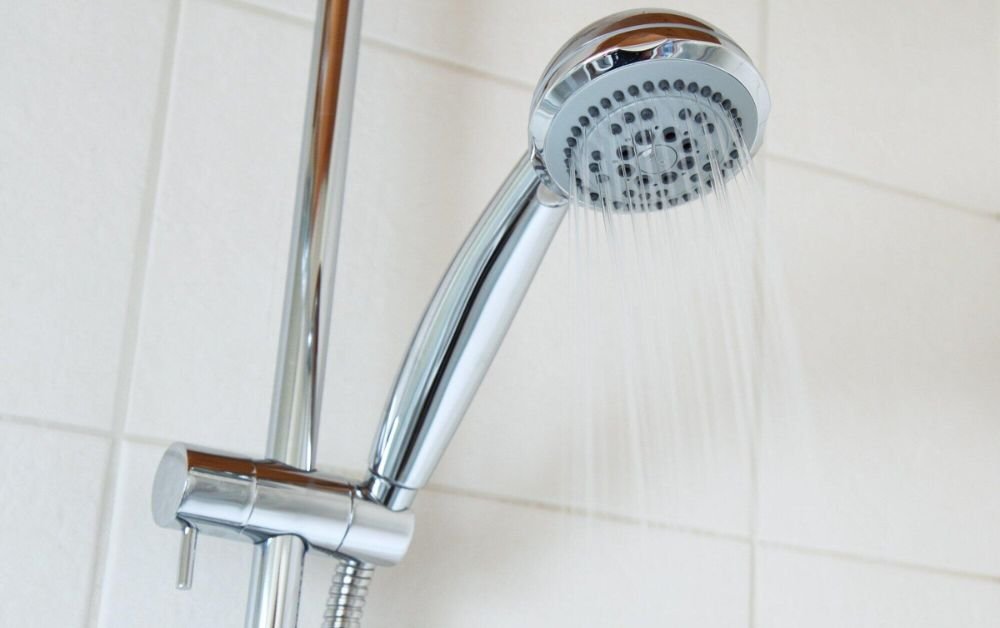
Have you ever turned on your shower and got cold water instead? A shower not getting hot water can ruin your day. This common problem often has simple fixes.
Have you checked your water heater lately? Regular water heater maintenance can prevent this issue. In this blog, we’ll explore the common reasons for shower heating problems.
You’ll also learn how to troubleshoot and fix them. Let’s dive into the guide to get your hot water flowing again!
Is the Water Heater Turned On and Working Properly?
The first thing to check is your water heater. If it’s not on or working correctly, your shower won’t heat up. Look for lights or error codes on your water heater.
Make sure it’s plugged in and getting power. Gas heaters need a working pilot light to heat water. Electric heaters need steady electricity and proper wiring.
Older water heaters may struggle to heat water. Regular water heater maintenance can prevent this problem. If the heater is too old, it might need replacement.
Always consult an expert if you’re unsure. Proper checks can often fix the issue without major repairs.
Is the Thermostat Set to the Right Temperature?
Water heaters have thermostats to control water temperature. If it’s set too low, your shower water will stay cold. Most water heaters should be set between 120°F and 140°F.
Check the thermostat settings on your heater. Adjust it to a higher temperature if needed. Be careful not to set it too high, as it can cause burns.
If the thermostat is broken, it may need replacement. Faulty thermostats can stop your water from getting hot.
Call a professional to inspect and repair it if needed. Regularly checking the thermostat can prevent sudden problems.
Could Mineral Buildup Be Blocking the Heating Process?
Over time, minerals in water can form deposits in your heater. These deposits can block the heating elements, causing shower heating problems. Hard water areas face this issue more often.
Regular water heater maintenance can reduce mineral buildup. Check your water heater for signs of scaling, like reduced water flow. Flushing the tank can help remove buildup.
If not addressed, mineral deposits can damage your heater permanently. Using a water softener can help prevent future scaling.
Keeping the heater clean ensures it works efficiently. Always hire an expert if you’re unsure how to flush it.
Are the Pipes Losing Heat or Damaged?
Sometimes, the problem isn’t your heater but your pipes. Hot water pipes can lose heat on the way to your shower. Insulate the pipes to keep the water warm as it travels.
Damaged or old pipes can leak hot water, leaving your shower cold. Look for signs of leaks, like water spots or damp walls. Fixing damaged pipes quickly can prevent further heat loss.
Premium water heater services often include pipe inspections. Well-maintained pipes help deliver hot water more effectively. Always check your pipes when troubleshooting water temperature issues.
Are You Using Too Much Hot Water?
Showers not getting hot water may be due to overuse. Water heaters have tanks with limited storage. If multiple people use hot water, the heater may run out.
Wait 20-30 minutes to let the heater refill and reheat. Consider upgrading to a larger tank if this happens often. Tankless water heaters provide a steady hot water supply without limits.
Plan water usage to avoid running out of hot water. Proper planning helps keep the shower water temperature steady.
Is the Shower Valve Mixing Water Incorrectly?
Your shower valve mixes hot and cold water. If it’s faulty, you may get cold water instead of hot. Shower valves can wear out over time or get clogged.
Check if the valve handle feels loose or stuck. Replacing a faulty valve can restore hot water flow. Adjusting the valve might also fix minor issues.
Consult a plumber if you’re unsure how to replace it. A working valve ensures the right water mix for your shower.
Is the Hot Water Tank Too Small for Your Needs?
A small water heater tank may not meet your family’s needs. If you’ve recently added more users or appliances, this might be the problem. A bigger tank or a tankless water heater can solve this.
Premium water heater services can recommend the best upgrade for your home. Check the tank size and compare it to your household’s hot water usage. Upgrading your water heater ensures your shower always gets hot water.
Could There Be a Problem With Your Water Heater Element?
Electric water heaters rely on heating elements to warm water. If one of these elements burns out, water won’t heat up properly. A multimeter can test if the element is working.
Replacing a faulty element is usually a quick fix. Regular water heater maintenance can help avoid this issue.
If both elements fail, you may need a new water heater. Hiring a professional ensures safe and proper replacement.
Is There an Issue With Your Home’s Water Pressure?
Low water pressure can cause shower heating problems. If water moves too slowly through the heater, it may not heat properly. Check the water pressure in your home.
Low pressure could be due to a clogged pipe, a faulty pump, or a closed valve. Sometimes, debris or rust buildup in pipes can restrict water flow. Clean or replace clogged pipes to restore pressure.
A pressure-reducing valve might also be set too low. Adjusting it can increase the flow to the heater.
Premium water heater services often include pressure tests to diagnose the issue. Keeping water pressure steady helps ensure your shower gets hot water consistently.
Solving the Problem of a Shower Not Getting Hot Water With These Guide
A shower not getting hot water is frustrating but often fixable. Start by checking your water heater for common issues. Regular maintenance can prevent most shower heating problems.
Adjust the thermostat or flush the tank if needed. Inspect pipes and valves for damage or blockages. Always seek professional help for tricky repairs.
A working water heater ensures your shower stays warm and comfortable. With these tips, you’ll know how to fix the problem fast!
Did you find this article helpful? If so, check out the rest of our site for more informative content.