Tesla electric vehicles have transformed the automotive industry and changed how people think about sustainable transportation. Tesla has become a global leader in electric vehicles, we have seen a shift in how people think of cars and sustainable transport from the company. Tesla has also been at the front of design, performance and innovation. Their vehicles are more than what you get when you trade in your gas powered car; they are the vanguard of a new age of mobility which puts technology and environment at the fore. By putting together aesthetic appeal with powerful tech, Tesla has designed cars which appeal to the eco conscious as well as performance oriented drivers.
This guide looks at Tesla’s electric vehicle range, battery tech, charging networks, autonomous features, maintenance issues, software updates, and owner costs. We go in to what makes Tesla stand out in each area as well as the day to day facts of ownership. Whether you are a first time EV buyer or just interested in what Tesla is doing in the space, this article will walk you through the pros and cons of Tesla ownership. By the end you’ll have a full picture of Tesla’s place in today’s transport world.
Tesla’s Electric Vehicle Lineup
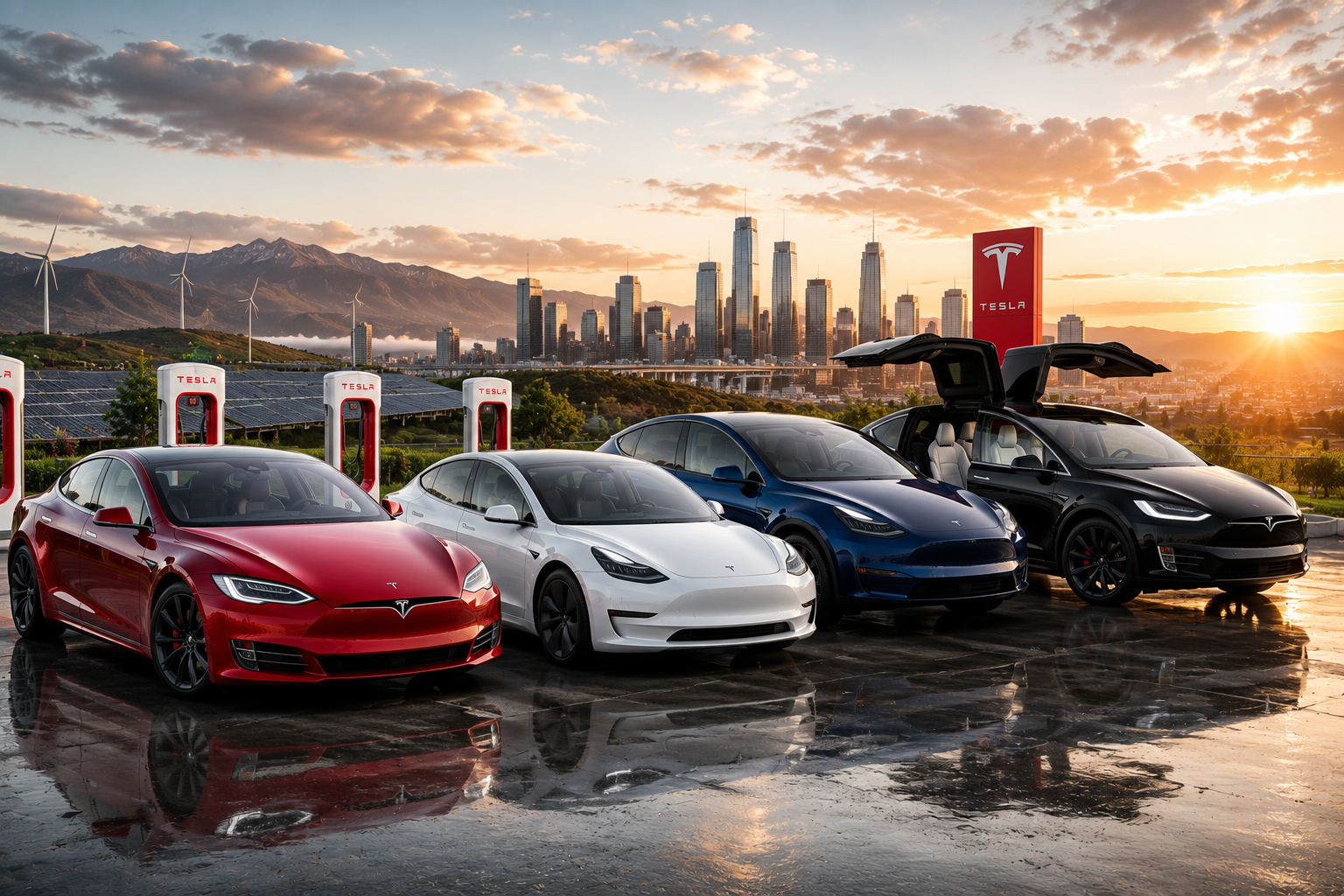
Tesla has wide array of vehicles that we put out for different needs, from family sedans to luxury SUVs and high performance sports cars. We have the Model S, Model 3, Model X, and Model Y in our lineup which each bring something unique to the table. Tesla’s electric car line up we see as a balance of what is affordable, what performs well, and what is innovative. For instance the Model 3 is our most approachable option which appeals to the mainstream buyer, at the same time the Model S is our premium luxury sedan which delivers unparalleled speed and range. The Model X which sports that distinct falcon wing doors is for families that want space but also look good doing it, and the Model Y we put out as a versatile crossover.
Each of our models is based on Tesla’s which is to integrate sustainability with advanced technology. What we offer buyers is a choice between different trims like Long Range or Performance which depend on what they are looking for. In the Performance trims you’ll see an emphasis on speed and handling while in the Long Range versions range per charge is maximized. Tesla does not have a static lineup; we are always putting out new features, improving the hardware, and increasing efficiency. That constant evolution means Tesla owners will have a very current car which may still feel new a few years down the road.
Battery Technology: Core of Tesla’s Technology
At the heart of each Tesla is its battery pack which sets the car’s performance, range, and longevity. Tesla uses lithium ion battery technology which it has refined through many years of R&D. These batteries are put into modules which also serve for safety and efficiency. What Tesla has innovated in is the balance between energy density and durability which enables users to travel great distances between charges. Also the company has put into play in its design the 4680 cell which promises greater capacity and lower prices.
Battery management is a key element in performance. Tesla’s software which is always updated tracks temperature, charge cycles, and energy output to maximize battery life. Also unlike traditional engines which wear out quickly Tesla batteries are designed to last for hundreds of thousands of miles. That said all batteries do eventually lose some capacity over time. Tesla is responsive to this issue with its warranties and continuous improvements in chemistry and design. For customers this means peace of mind in the reliability of what is essentially your car’s heart.
Charging Infrastructure: Supercharged and Home Solutions
Tesla’s biggest asset is its charging network. We see that they have put in place a global platform of Superchargers which enables long distance travel without the issue of running out of charge. These fast charge stations we see put out up to 200 miles of range in just 15 minutes which we find very practical for road trips. Tesla puts these Superchargers along highways and in city centers which we see as a strategy to make access easy for drivers which spans continents. This infrastructure which they have built is what sets Tesla apart from their competitors who use third party networks.
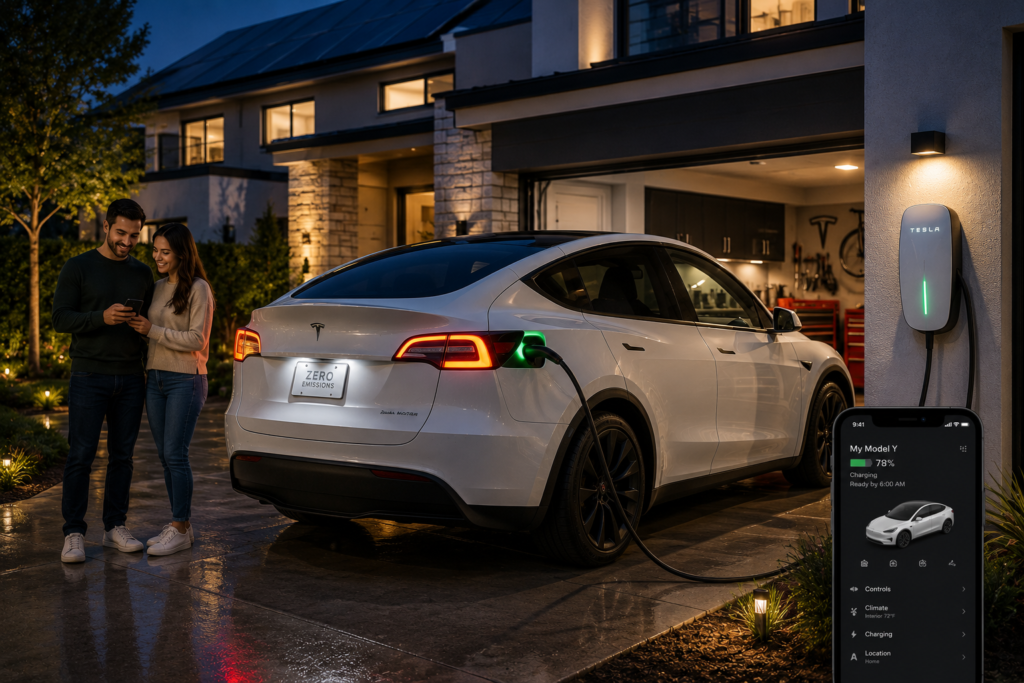
For everyday use Tesla owners tend to set up home charging solutions. We see that a Tesla Wall Connector which they may install at home provides for charging overnight which in turn has the car fully charged for the morning. This is one of the great benefits of EV’s as opposed to the traditional fueling methods. While charge times do depend on the power source used, for the large part home charging is what most of the charging does. Also we see that Tesla has put in place destination chargers at hotels, restaurants and shopping centers which in turn extends the convenience of the owner. In total these options present a very smooth charging experience that becomes a part of the owner’s day to day life.
Autonomous Driving Features: Autonomy and Full Self-Drive
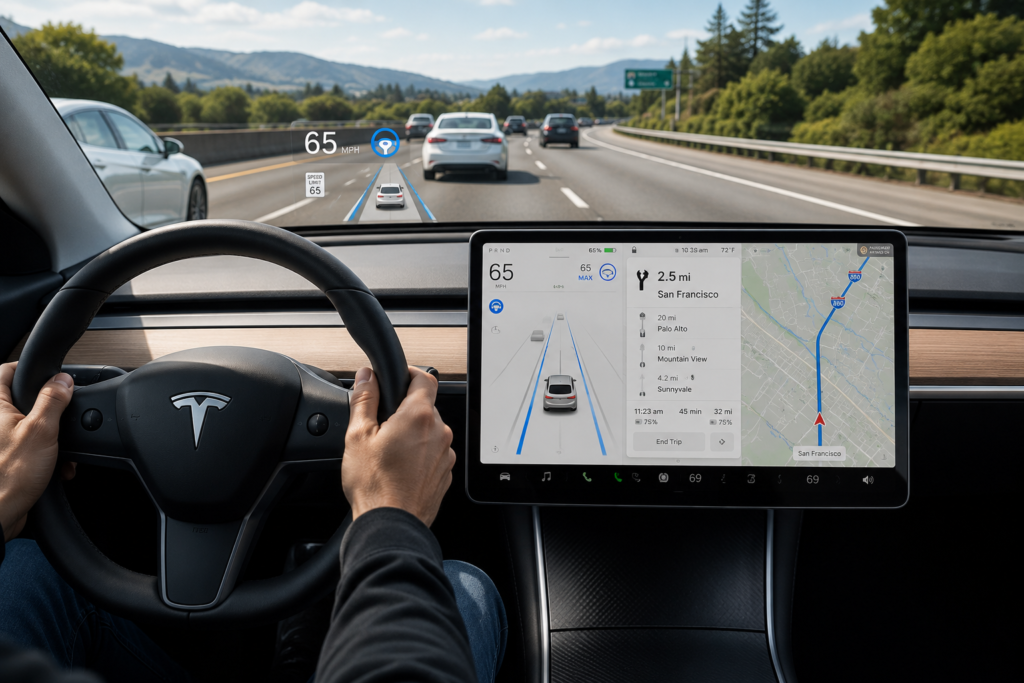
Tesla’s Autopilot which is the company’s top discussed feature and which puts in display advanced driver assist technologies. Autopilot includes adaptive cruise control, lane keeping, and automatic lane changes which in turn makes highway travel less stressful. Tesla’s Full Self-Driving (FSD) suite takes what we offer beyond that and we aim with it to eventually have cars which do the driving. While at present FSD is in development and is waiting for regulatory ok, it does already include features like navigation on highways, traffic light navigation, and city street assistance.
Technology has put together a mix of cameras, sensors, and large scale in car computers. What Tesla does different from its competitors which use lidar is they have put together a vision based system which they believe is able to do what human perception does better. Also we see that the software is always being updated which means that Tesla owners see growth in their cars’ features over time. To that note it is important to point out that although we may think of it as such, FSD at present does not in fact make Teslas fully autonomous. At any time drivers must be aware and ready to take over which is key to safety as the technology is still maturing.
Maintenance Requirements: Ease of EV Ownership
One aspect that is attractive to Tesla owners is low maintenance in comparison to standard vehicles. Electric cars feature less components which in turn means no oil changes, spark plug replacement or exhaust repair. Tesla recommends regular checkups for tires, brakes and battery health but as a whole maintenance costs are much lower. Also we see that regenerative breaking which in turn decreases brake pad wear out, which increases their life span. This also results in a more convenient and cost effective experience over time.
That which is said to it is also true that Tesla do require care. Owners must still perform tire rotations, check cooling system fluids, and have periodic software diagnostics. Also reports of high repair costs which do come up if a proprietary part fails which in turn is not always a part that a third party shop would carry. But what Tesla does offer is their service centers and mobile repair teams which do in fact provide support often which in large part resolves the issue very quickly. For the great majority of owners the reduced need for routine maintenance does in fact balance out the issue of higher cost for specialty repairs and so for that reason we see that Tesla does still present a practical choice for the person looking for a reliable car.
Software Updates: Cars that Age Gracefully
Tesla’s which is different from other brands is that they provide software updates via the internet, similar to what you do for your smart phone. These updates may include new features, performance improvements, and also better safety features. For example we have seen Tesla roll out updates which improve acceleration, extend battery life, and enhance Autopilot. What this means is that a car you buy from Tesla today may end up with different features months or years down the line thus keeping it relevant and competitive which doesn’t require any hardware changes.
Owners are also excited by the fact that we are constantly updating which may include features like video stream, game play, or better user interfaces. Tesla’s philosophy is to see cars as which are in a state of constant change instead of unalterable machines. Also this approach enables Tesla to quickly react to what customers want and to regulatory changes. For buyers what we are presenting is a moving target which adds great value, by the time they purchase their car they may see that it has improved in many aspects.
Ownership Costs: Advantages and Disadvantages
Owning a Tesla goes beyond the price of purchase. Although they may have a higher upfront cost that of traditional cars, which often do not, in the long run, can actually be less expensive. At home charging is to the pocket what 20-mpg gas is, also we see that which government give out in terms of tax breaks is also a benefit. Also, the resale value for Teslas is high which is also a positive factor as second hand demand is large.
However, we see that which aspects of ownership present a challenge. For Tesla owners insurance premiums may be higher because of the cars’ tech and what it entails in terms of repair. While the charging infrastructure is very large scale we still may note in some regions it is not sufficient for long distance travel, which requires that which you plan out in advance. Also although battery degradation is a very small issue it does play a role in the trade in value of your car over time. In the end what we have is a very good financial and environmental play with Tesla, but what we also have is that which buyers should consider in terms of how these play out in their own particular location and lifestyle.
Conclusion
Tesla has transformed the auto industry with their mix of sustainability, tech, and performance which they present as a whole. From a wide range of vehicles to innovative battery tech and charging solutions Tesla is constantly breaking records. Features such as Autopilot, remote software updates, and low maintenance are what makes ownership attractive, although price points and other issues still cause some to think through their decisions. For the forward thinking car buyer Tesla puts forth a very attractive picture of what cars should be.
At the same time Tesla’s ownership has its issues. We see high insurance rates, regional charging station availability issues, and the still very much in development autonomous features as things that which prospective owners should be aware of. But also we see that what comes with Tesla ownership is well worth it, that they in fact present to you a look into what the future of transport will be like. As the auto world moves toward more electric vehicles we present Tesla as pioneers, they are the leaders which are to be followed as we head toward a better more intelligent method of transport.