Introduction
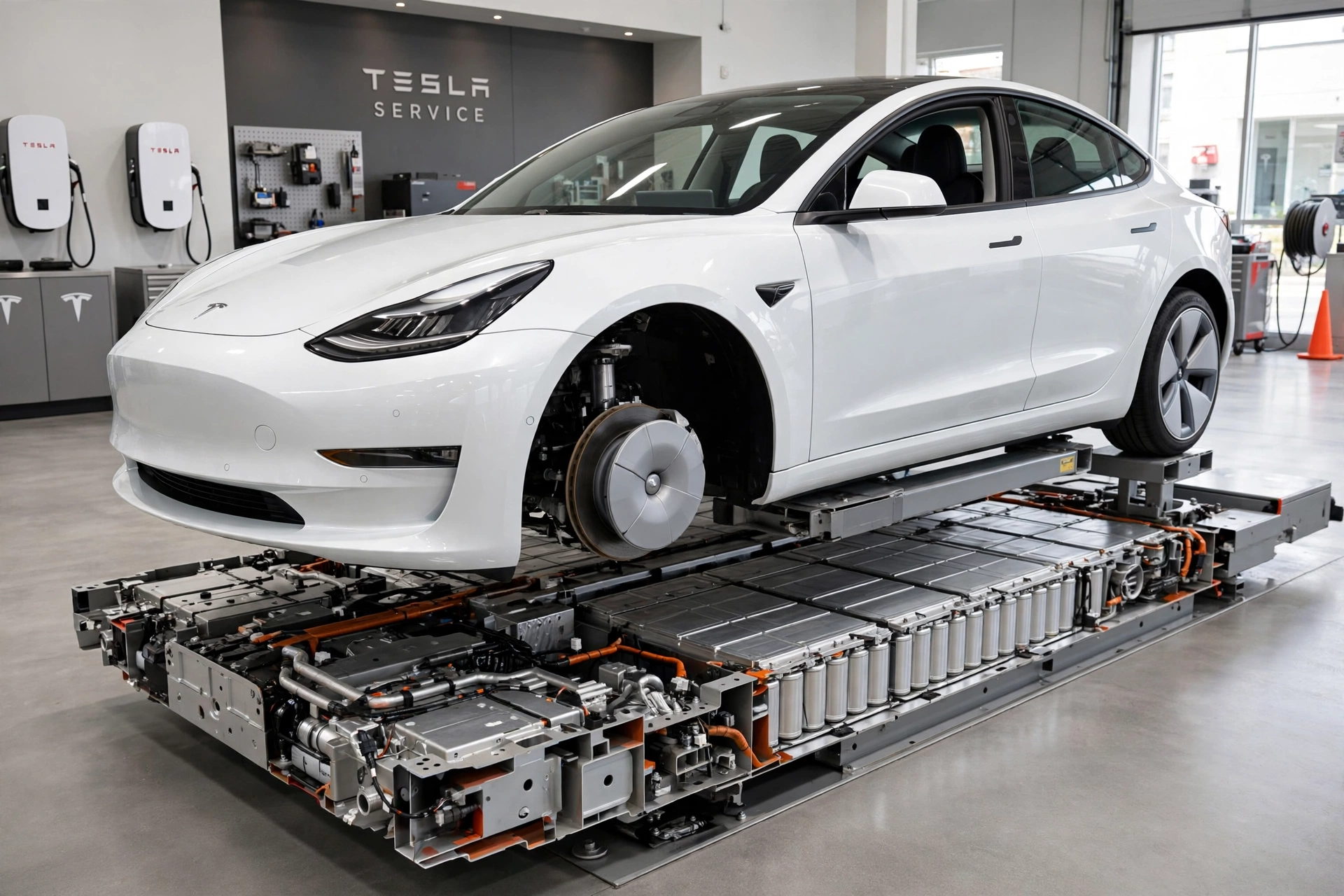
Tesla Battery Life is the top concern for EV buyers. Tesla’s batteries are expensive, which is why many buyers are interested in how long they will run, at what rate they lose power, and what the plan is for when a new one is required. The good news is that Tesla batteries are made to last and don’t usually just die on you after a set number of years. What you do see instead is a gradual reduction in capacity which in turn may see the vehicle’s range go down as time goes on.
Tesla’s battery tech which we study helps to see that variation in battery life between vehicles is a thing. Tesla uses lithium ion battery packs which they complement with advanced battery and thermal management systems. What we put into the battery, how we charge it, weather, distance driven, and how you drive all play a role in how fast a battery will wear out.
What is the Tesla battery life?
A Tesla battery may see over 8 years of use which is to say that they do wear out over time but at a gradual rate. We do not have a set mileage for when a Tesla battery should be replaced. We do see that different models, battery types, and what the car is used for in terms of performance puts out different results. A battery which has lost some of its capacity may not be damaged beyond repair at all. It may still power the car as normal just with a reduced range.
Tesla at present has which we may take as an indicator of what is to come in terms of quality and longevity. We see that for different models and configurations Tesla puts out a 8 year battery and drive unit warranty which is good for between 100,000 to 150,000 miles. Also they put out a list which we may count on to see that your battery is going to perform at at least 70% of its capacity during that time. This in turn gives owners’ large degree of security during the first and middle stages of ownership.
What Causes Tesla Battery Degradation?
Battery wear out which is a progressive loss of energy storage. As a lithium ion battery charges and discharges which it does with each use, chemical transformations take place within the cells. Over the course of many miles and charge cycles the changes which take place may seem to reduce the amount of energy the battery is able to store. This process is natural and does not mean the battery is failing.
Temperature, age of the battery, and how it is used all play a role in degradation. Very hot or very cold environments put extra stress on the battery and so do very high or very low charge levels when left that way for long periods of time. Tesla has designed thermal and battery management systems to help with this but what we see from owners is that sensible charging practices still play a role.
Does Fast Charging Damage Tesla Batteries?
Tesla’s Supercharger network which is for the most part very convenient for long distance travel. While fast charge may put out more heat and put greater stress on the battery as compared to slow charge, Tesla has designed their vehicles to do well with high power charging. Also the car’s charging performance can change based on battery temp and other factors.
Regular driving which slows at home or out when it’s a convenient time to plug in will do just fine. We recommend for long distance travel or at those times that you really need a full fast charge that is what you use the fast chargers for. We don’t recommend to stay away from Superchargers but to use them smartly, that way over the years you put less stress on your battery.
Tesla Battery Warranty Explained
Tesla reports their warranty to be of 8 year duration which for the most part is model and configuration dependent. We see that at present they are listing between 100,000 to 150,000 miles of coverage along with a 70% minimum capacity retention which has to be maintained throughout the warranty period. For exact coverage details it is always best to check for the specific Tesla you are interested in purchasing.
The warranty is a key issue as battery repairs may become very expensive once coverage runs out. Also it is not right to assume that all battery wear is covered by the warranty. What Tesla puts forth in terms and conditions for warranty coverage is what we go by so owners should get in touch to have atypical battery warnings, charging issues, or large performance drops looked into.
What is the cost of a Tesla battery replacement?
Tesla’s battery replacement costs which are a variable dependent on the model, battery size, parts, labor, and also what the issue is which brought it in. Also it is known to range from a large to very large sum in which in some reports has hit the five figure mark. For example we have seen reports of Model 3 owners getting estimates up to $13,500. But do not take this as the go to price for Tesla’s.
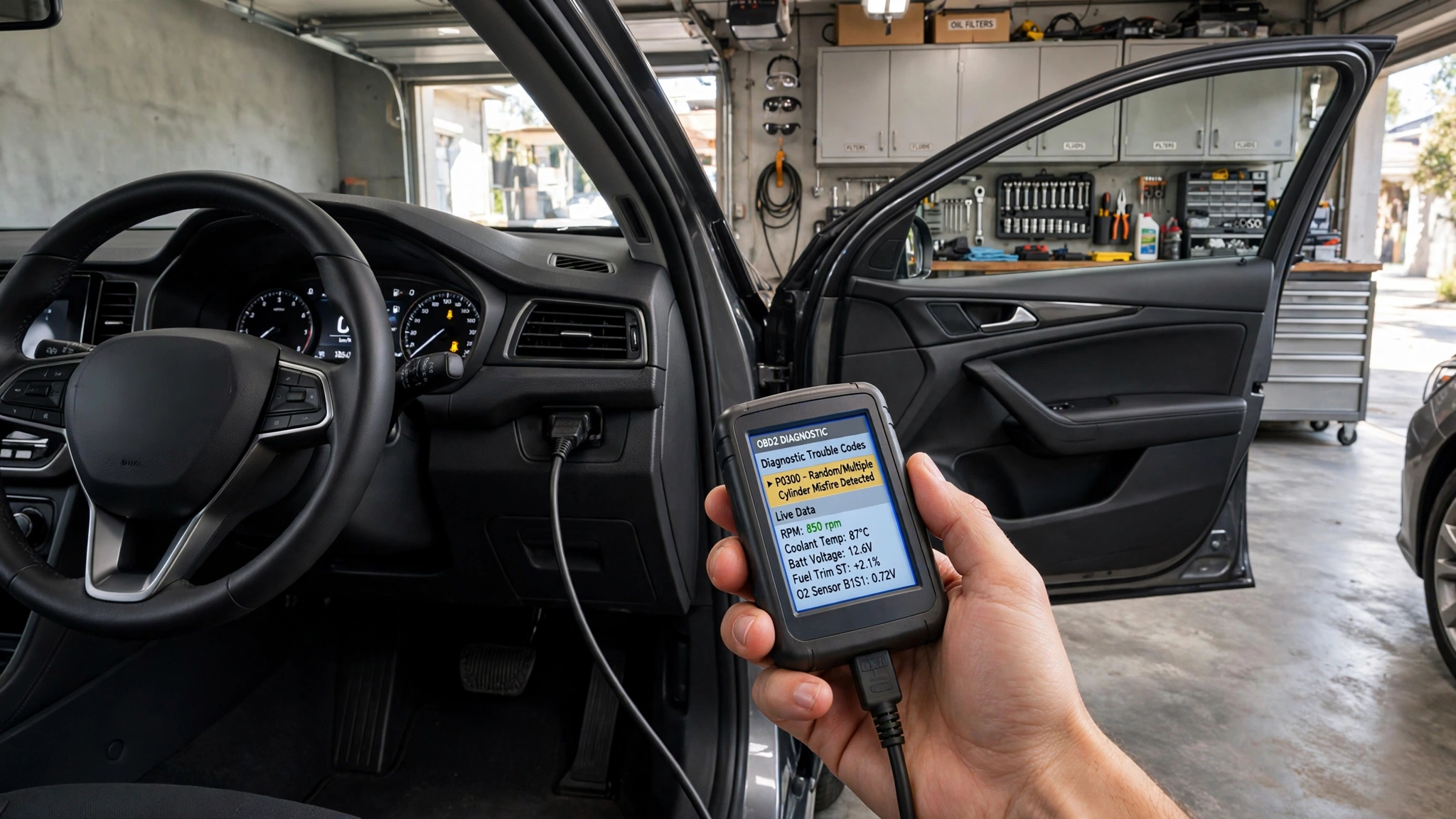
A battery issue does not always mean full battery pack replacement is a solution. Some repairs will be done before putting in a whole new pack. It’s best to have the car diagnosed by professional technicians first before you go about a total replacement.
How to Extend Tesla Battery Life.
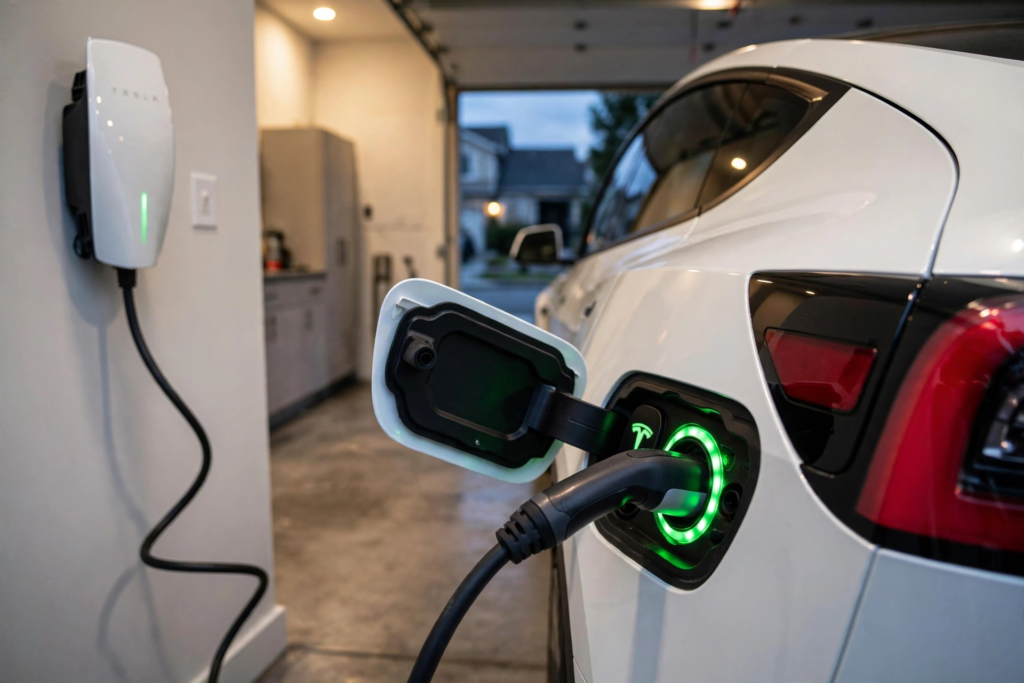
Owners do what they can to extend their battery life by following Tesla’s put forth charging recommendations for their individual make of car. Also do away with very long terms at very high or low charge levels which in turn reduces battery stress. Also it is to the owner’s benefit to follow Tesla’s charging advice as the chemistry in each model of car is different.
Temperature control is a key issue. At Tesla we have put in thermal management systems which cool or heat the battery as required to keep it in the right operating range. We ask that owners try not to leave the car in very hot or very cold parking lots for long times and to use the pre- and post- condition features we have provided for your convenience.
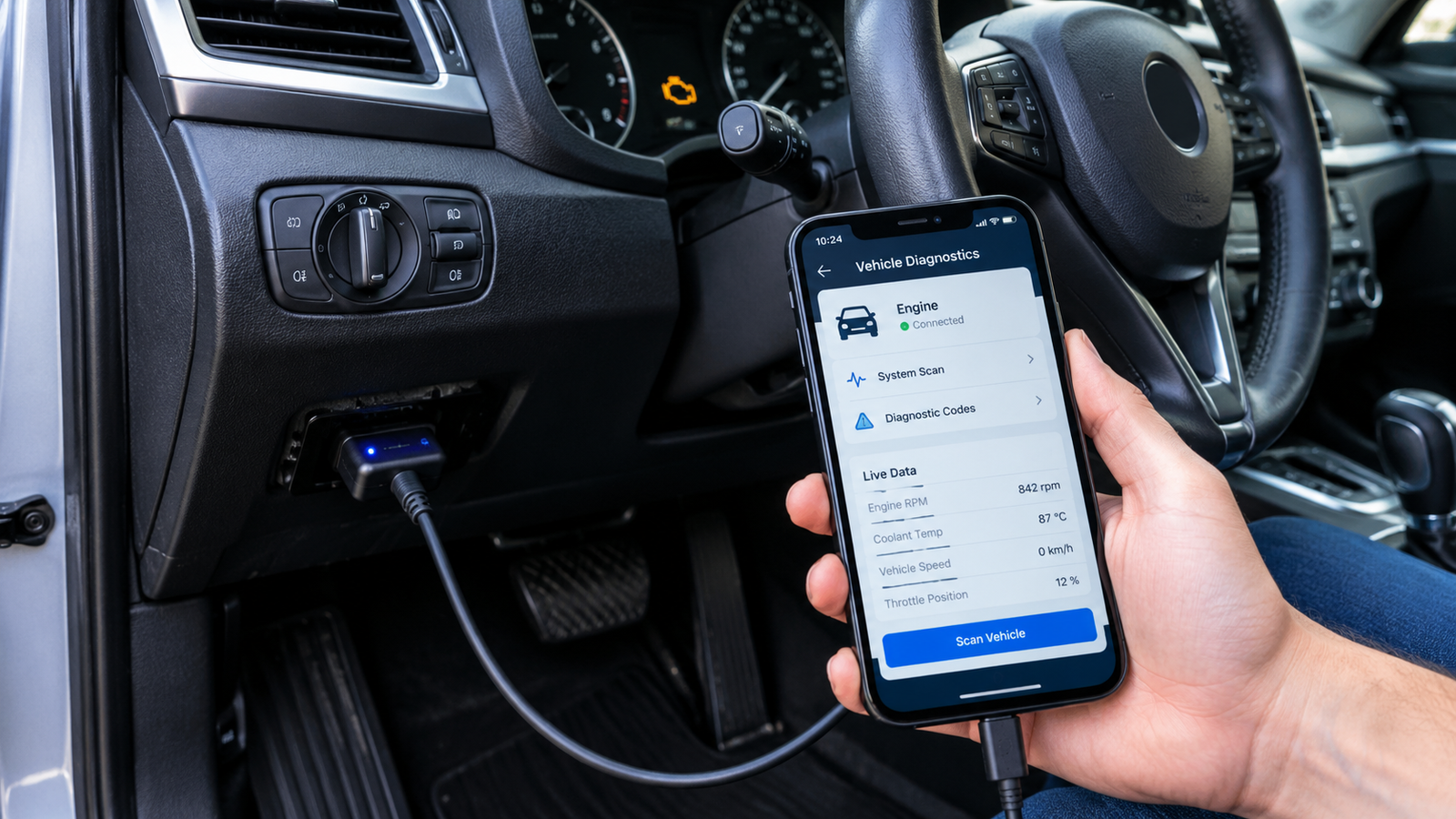
How to Check Tesla Battery Health
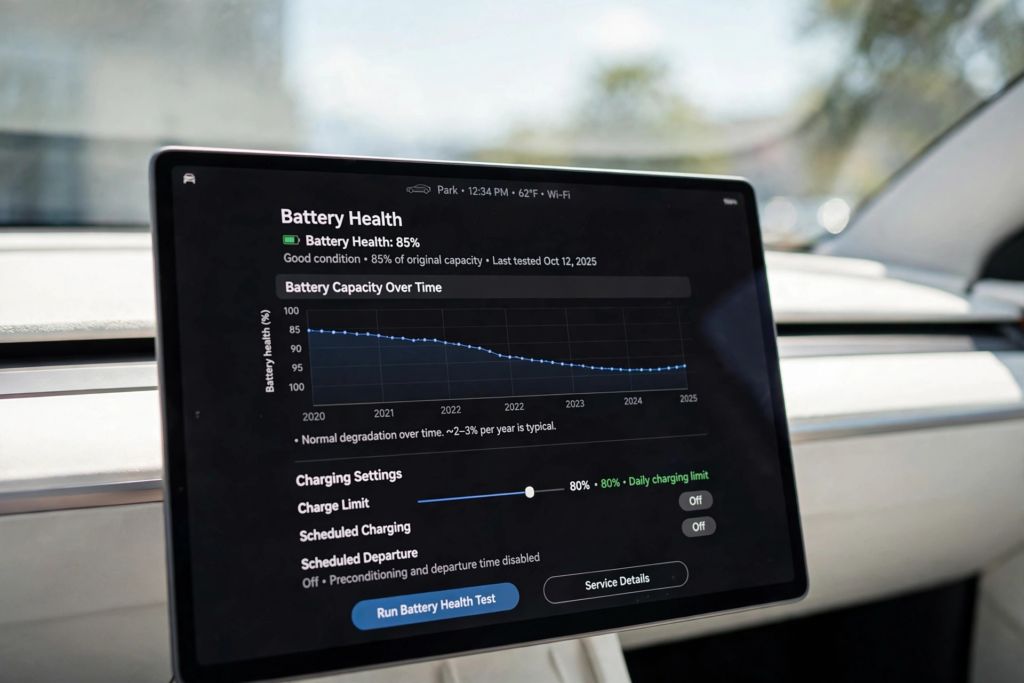
The range you see from a Tesla is not a perfect indicator of battery health. What you see in range can vary based on temperature, speed at which you drive, the type of terrain you are traveling on, your tire pressure, use of the HVAC, and your own driving habits. Also do not assume that one low range report means your battery has seriously degraded.
Used Tesla buyers it is recommended that you check the car’s mileage, battery age, charging history, remaining warranty, and overall condition. Also if the vehicle reports unusual battery issues or charging problems we recommend a professional inspection which is better than to go by range estimates alone.
Conclusion
Tesla’s batteries are known to do very well over many years and we see degradation as a very gradual thing which in fact does not suddenly fail. At present we are seeing from Tesla an 8 year battery and drive unit warranty that is model specific as well as mileage based and which also requires at minimum 70% capacity by the end of the warranty period. This is great for the owner which is worried about early battery issues.
Battery replacement may be costly out of warranty but full blown replacements should not be a definite part of your ownership which is what we see for many. Proper charging practices, staying away from that which is hard on the battery and to boot follow what Tesla puts forth in terms of recommendations will do great for your battery health over the long term. To most potential buyers the issue isn’t that the Tesla battery will go down in performance at all, it is how much of its original power will it still have at the end of the car’s life.