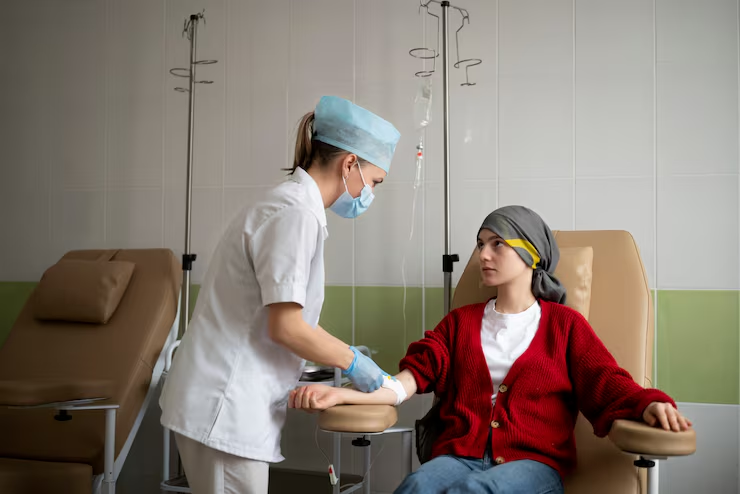
Stem cell transplantation has become a vital treatment option for patients diagnosed with lymphocytic leukemia, especially when conventional therapies such as chemotherapy or targeted drugs are no longer effective. While the transplant itself is a major milestone, recovery and long-term follow-up play an equally critical role in determining treatment success and overall quality of life. Understanding what happens after transplantation helps patients and caregivers prepare for the physical, emotional, and medical journey ahead.
At Liv Hospital, recovery after stem cell transplantation is approached with a comprehensive, multidisciplinary care model that focuses on safety, monitoring, and long-term wellness.
Understanding Stem Cell Transplant Recovery
Recovery after a stem cell transplant for lymphocytic leukemia does not happen overnight. It is a gradual process that may take several months to a year or more, depending on factors such as the patient’s age, overall health, type of transplant (autologous or allogeneic), and how the body responds to the new stem cells.
In the early phase, the immune system is extremely weak, making patients vulnerable to infections and complications. Over time, as the transplanted stem cells begin producing healthy blood cells, the immune system gradually rebuilds itself. This period requires close medical supervision, strict hygiene practices, and adherence to follow-up schedules.
Early Recovery Phase: The First 30–100 Days
The first few months after transplantation are often the most delicate. During this phase, doctors closely monitor blood counts, organ function, and signs of infection or transplant-related complications.
Common experiences during early recovery include:
- Fatigue and weakness
- Nausea or appetite changes
- Hair loss and skin sensitivity
- Increased susceptibility to infections
Patients may also experience mucositis (mouth sores), digestive discomfort, or temporary changes in taste. These side effects gradually improve as the body adjusts and begins healing.
Regular follow-up visits are essential during this stage to ensure that engraftment—the process where transplanted stem cells start functioning—is progressing as expected.
Managing Graft-Versus-Host Disease (GVHD)
For patients who undergo an allogeneic stem cell transplant (using donor cells), graft-versus-host disease (GVHD) is a possible complication. GVHD occurs when donor immune cells recognize the recipient’s body as foreign and attack certain tissues.
GVHD can be acute or chronic and may affect the skin, liver, gastrointestinal tract, eyes, or lungs. Early detection and treatment are crucial to prevent long-term damage. Follow-up care focuses heavily on monitoring symptoms such as:
- Skin rashes or dryness
- Persistent diarrhea
- Jaundice or liver abnormalities
- Eye or mouth dryness
Immunosuppressive medications are often prescribed and adjusted over time to balance immune recovery while minimizing GVHD risk.
Long-Term Follow-up and Monitoring
Long-term follow-up is a cornerstone of Stem Cell Lymphocytic Leukemia Recovery and Follow-up. Even after the initial recovery phase, patients require ongoing medical evaluations to ensure sustained remission and detect late-onset complications.
Key aspects of long-term monitoring include:
- Regular blood tests to assess cell counts
- Bone marrow evaluations when needed
- Screening for secondary cancers
- Monitoring heart, lung, liver, and kidney function
These evaluations help doctors identify potential issues early and adjust treatment or lifestyle recommendations accordingly.
Immune System Rebuilding and Vaccinations
After a stem cell transplant, patients often lose immunity to diseases they were previously vaccinated against. As the immune system recovers, a carefully planned revaccination schedule is introduced, usually starting 6–12 months post-transplant.
This process helps protect patients from infections such as influenza, pneumonia, and measles. Until immune recovery is complete, patients are advised to avoid crowded places, practice good hygiene, and limit exposure to individuals who are ill.
Nutrition and Physical Recovery
Nutrition plays a vital role in healing and immune system regeneration. A balanced diet rich in proteins, vitamins, and minerals supports tissue repair and energy levels. Some patients may initially require dietary modifications to manage digestive side effects or food sensitivities.
Physical activity, introduced gradually, also contributes to recovery. Light exercises such as walking or stretching can help improve stamina, muscle strength, and mental well-being. Over time, most patients can return to their regular routines with guidance from their healthcare team.
Emotional and Psychological Well-Being
Recovery is not only physical—it is emotional as well. Many patients experience anxiety, mood changes, or fear of relapse during the recovery period. These feelings are completely normal and should be addressed as part of holistic care.
Counseling, support groups, and open communication with healthcare providers can significantly improve emotional resilience. Family support also plays a crucial role in helping patients navigate the ups and downs of post-transplant life.
Returning to Daily Life and Work
The timeline for returning to work or normal daily activities varies from person to person. Some patients may feel ready within a few months, while others require more time. Factors such as job demands, energy levels, and immune recovery influence this decision.
Doctors usually recommend a phased return to work, allowing patients to gradually rebuild endurance without overwhelming the body. Clear communication with employers and loved ones helps set realistic expectations during this transition.
Preventing Relapse and Maintaining Remission
One of the primary goals of follow-up care is to ensure that lymphocytic leukemia remains in remission. Doctors may use blood tests, imaging, or molecular diagnostics to detect minimal residual disease (MRD).
Lifestyle factors such as avoiding smoking, maintaining a healthy weight, managing stress, and adhering to prescribed medications can positively influence long-term outcomes. Patients are encouraged to stay proactive about their health and report any new or unusual symptoms promptly.
A Holistic Approach to Long-Term Wellness
Recovery from stem cell transplantation is a journey that extends beyond hospital visits and medical tests. True healing involves rebuilding physical strength, emotional balance, and overall well-being. Many patients find value in adopting healthier lifestyle habits, mindfulness practices, and wellness-focused routines that support long-term vitality.
For those interested in broader wellness perspectives and lifestyle guidance, resources like live and feel can offer inspiration and practical tips to complement medical recovery and promote a healthier, more balanced life after treatment.