Most Australians don’t realise their hot water system is quietly draining money while they sleep. Storage tank systems keep hundreds of litres hot around the clock, whether you’re using it or not. Gas geysers for sale have changed this wasteful pattern entirely. These units fire up only when you turn the tap, heating water as it flows through the heat exchanger. What’s surprising is how this simple difference reshapes household energy dynamics in ways most people never consider.
Instant Hot Water Access
Here’s something that catches people off guard: gas geysers can actually run out of ‘readiness’ if you’ve been away from home for extended periods. The pilot light on some older models might go out, though modern electronic ignition systems have solved this. What really matters is the recovery rate. A quality gas geyser heats water faster than you can drain it, which sounds impossible until you experience it. The heat exchanger typically warms water by around forty degrees as it passes through, meaning you’ll never hit that dreaded moment halfway through a shower when the tank runs cold.
Energy Efficiency Matters
The efficiency conversation around gas geysers for sale gets interesting when you compare energy types. Natural gas contains more energy per unit than electricity, but that’s not the whole story. When electricity comes from coal plants, you’re dealing with conversion losses at the power station, transmission losses through the grid, and then heating losses at your home. Gas travels straight to your house and converts to heat right there. The real kicker? In summer, storage systems actually work against your air conditioning. They’re pumping heat into your home whilst you’re paying to cool it down.
Space-Saving Design
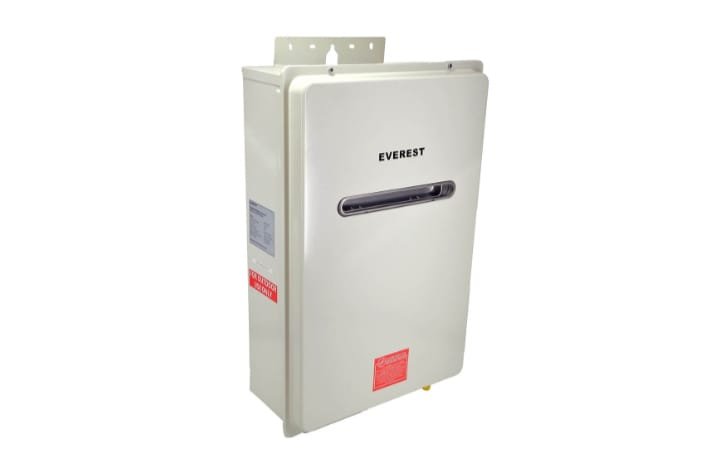
Walk into most Australian laundries and you’ll find a massive cylinder dominating the room. That’s roughly the footprint of two washing machines taken up by stored hot water. Gas geysers mount on walls and typically measure about the size of a briefcase. But here’s what installation guides rarely mention: you need proper ventilation. These units produce combustion gases that must vent outside. Some homes require flue extensions through the roof, others can vent through an external wall. The space you save inside sometimes requires planning for the space outside.
Long-Term Durability
Storage tanks fail in a particularly unpleasant way. Corrosion eats through the inner lining, and suddenly you’ve got water flooding across your floor. Gas geysers fail differently. The heat exchanger might develop leaks, or the gas valve might stick, but you’ll notice these issues gradually. There’s no catastrophic tank rupture scenario. The trade-off? Descaling matters more with instantaneous systems. Hard water areas like parts of South Australia and Western Australia see mineral buildup inside the exchanger. Ignoring this chokes water flow and eventually cracks the copper pipes from overheating.
Environmentally Conscious Choice
The environmental maths on gas geysers for sale shifts depending on your state’s energy grid. Victoria and New South Wales still run heavily on coal, making gas a cleaner choice. Tasmania runs almost entirely on hydro, which flips the equation. Solar panels complicate things further. If you’ve got panels pumping excess electricity back to the grid during the day, an electric storage system heated by your own solar makes environmental sense. Gas can’t compete with sunshine you’re already generating. The smartest environmental choice isn’t universal; it’s specific to your energy setup.
Consistent Performance
Temperature consistency sounds straightforward until you realise how flow rate affects it. Turn on two taps simultaneously and the water splits between them. The geyser maintains temperature, but each tap gets half the volume. Some people find this annoying when someone flushes the toilet mid-shower. Better models include flow sensors that adjust the gas flame intensity to match demand. The water stays hot, though pressure might drop. It’s worth noting that incoming water temperature matters too. Winter groundwater in Canberra sits much colder than summer groundwater in Darwin, affecting how hard your geyser works.
Conclusion
Gas geysers suit Australian homes where gas infrastructure exists and solar isn’t already covering hot water needs. They handle variable demand better than fixed storage tanks and waste less energy maintaining temperature overnight. The catch is proper sizing for your household’s peak usage and understanding that hard water requires regular maintenance. Installation requires ventilation planning that storage systems don’t need. For homes pulling electricity from coal-heavy grids without solar panels, switching to gas reduces emissions whilst delivering endless hot water. That combination explains why they’ve become the practical choice for many Australian households rethinking their hot water approach.