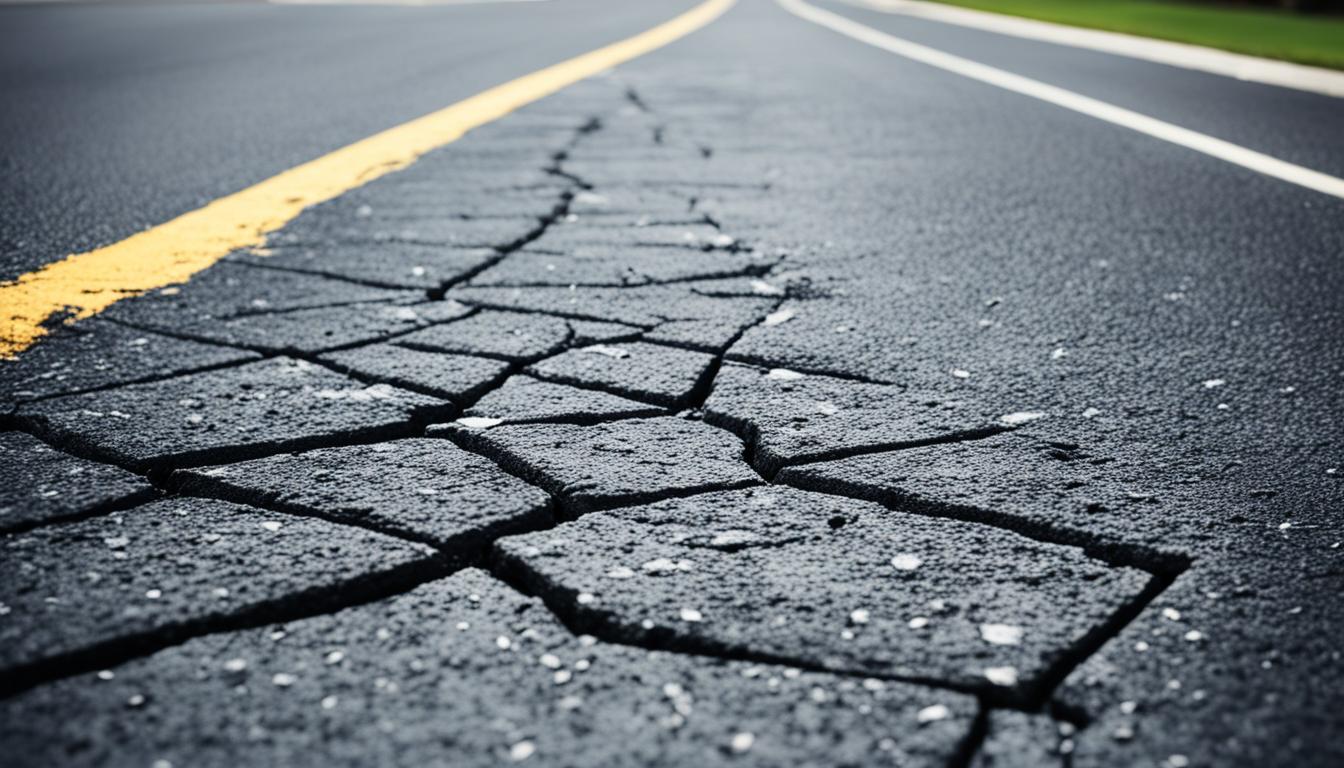
Your asphalt driveway is a critical component of the exterior of your house, managing everything from everyday travels to periodic weather fluctuations. Even the most durable driveways may deteriorate as time passes. Understanding when to resurface your driveway can spare you money on repairs while keeping it reasonable. Here are several specific indications that it may be suitable to resurface asphalt driveways.
-
Exposed Cracks and Gaps
Splits and potholes are apparent signals that your driveway requires to be resurfaced. Minor cracks may progress into more extensive fractures if not corrected, resulting in more significant harm. Potholes, which can result from water seepage and temperature fluctuations, harm your car and deteriorate with time. If you notice that gaps and holes are getting more common or expanding, resurfacing may assist in re-establishing your driveway’s smoothness and avoiding additional damage.
-
Fading Colors and Surface Discoloration
Asphalt’s once-rich black colour may dull gradually due to UV radiation and severe climates. If your driveway has begun to lose its brilliant hue and looks greyish or faded, this indicates that its exterior is deteriorating and shedding its protective finish. Resurfacing your driveway restores its initial hue and reapplies protective coatings to prevent further deterioration and harm.
-
Pooling Water and Sewage Concerns
If you observe water gathering in some of your driveway rather than draining out, it could imply that the surface has grown irregularly or has sunk in spots. Adequate drainage is critical for preserving the strength of your driveway. Surface unevenness may result in additional harm; therefore, resurfacing may assist in alleviating these concerns while ensuring adequate water outflow.
-
Surface Deterioration
Your driveway surface may wear out over time due to heavy traffic and proximity to the weather. Inspect for surface deterioration, like roughness or tiny, disintegrating portions. The resultant wear not only degrades the beauty of your driveway but also lowers its efficiency in preserving its fundamental foundation. A newly resurfaced coating will even out these uneven places and increase the longevity of your driveway.
-
Higher Repair and Upkeep Expenses
If you often repair or cover your driveway, it might be appropriate to look into resurfacing. Patching may assist with minor concerns but is usually a short-term fix. Continuous maintenance might be costly as time passes. Resurfacing your driveway might be a more affordable long-term option, offering a fresh, smooth finish requiring less upkeep.
-
Cracks along the Outer Edges
Cracks around the borders of your driveway may indicate structural difficulties. These fissures frequently appear as the driveway’s borders erode, generally caused by inadequate drainage or excessive vehicle usage. Resurfacing may fix these edge concerns while reinforcing the structure, increasing the life of your driveway and enhancing its general look.
-
Lack of Structural Strength
If your driveway gets unsteady or squishy underfoot, it may indicate that its foundation has been weakened. Surface concerns like splitting and potholes might gradually progress to more serious structural difficulties. Resurfacing could help reestablish your driveway’s foundational strength, ensuring it’s sturdy for daily usage.
-
Deteriorating Asphalt Past Its Practical Life
Based on their setup and upkeep standards, asphalt driveways generally last between 15 and 20 years. If your driveway is reaching or has beyond this stage, it might be advisable to look into resurfacing. Even though there are no visible symptoms of degradation, aging asphalt could have degraded and could profit from resurfacing to increase its longevity.
-
Uneven Surface Texture
The surface degrades if your driveway is inconsistent, with harsh or uneven sections. An uneven texture may be beautiful and beneficial. Resurfacing can create a consistent texture, improving both the visual appeal and the security of your driveway.
-
Cracks that are Expanding in Size
Now and again, breaks begin little yet continuously enlarge after some time. If the cracks in your driveway are getting bigger, the damage is getting worse and affecting the structure as a whole. Resurfacing can address these expanding cracks and provide a new, even surface to stop further damage.
-
Erosion of Surfaces and Pitting
“pitting” refers to the indentations or small holes on your driveway’s surface. Over time, this may be brought on by excessive use or deterioration of the asphalt material. Surface disintegration, apparent as broken down patches or chipping, is another sign that your carport might require re-emerging. Resolving these issues with re-emerging will re-establish a smooth and robust surface.
-
Asphalt Cracking or Peeling
Serious indicators of deterioration include spalling, where asphalt chunks begin to separate from the surface, and peeling, where the top layer of asphalt begins to lift off. Chemical spills or exposure to extreme temperatures typically cause these issues. Resurfacing is necessary to repair damage and protect your driveway if you notice spalling or peeling.
-
Unpleasant or Lopsided Surface
A driveway that is rough or uneven underfoot can be unattractive as well as dangerous. This roughness can present a tripping hazard and is frequently brought on by use and aging. These bumps will be smoothed out by resurfacing, making driving and walking more comfortable and safer.
-
Increased Tire Wear on Automobiles
Assuming your vehicle’s tyres are breaking down quicker than expected, it may be because of your carport’s lopsided or harmed surface. Tire wear can be unusual in a driveway that needs to be appropriately maintained. Resurfacing can assist in addressing these surface issues and provide a more even driving surface, thereby reducing vehicle stress.
-
Clear Surface Disintegrating
The material is deteriorating if you observe the asphalt surface crumbling or disintegrating. This crumbling could be brought on by several things, like lousy installation or damage from the weather. Resurfacing will supplant the decayed top layer and re-establish the primary uprightness of your carport.
Conclusion
When you know when it’s time to resurface your asphalt driveway, you can take care of issues sooner rather than later when they get worse—being cautious and proactive guarantees that your carport stays practical, safe, and outwardly engaging. If you see any of these signs, you should talk with experts to examine resurfacing choices. Professionals like Road Seal C=concreting contractors can extend your driveway’s life and improve your home’s curb appeal by investing in timely resurfacing.

History and OriginMilitary RootsThe B-3 bomber jacket originated in the US Army Air Corps during World War II. Designed to keep pilots warm in the frigid temperatures at high altitudes, the jacket was initially issued to aircrew flying heavy bombers like the B-17 Flying Fortress and the B-24 Liberator. The B-3’s robust construction and insulating properties were crucial for ensuring the safety and comfort of pilots during long missions.
Design PurposeThe B-3 jacket was meticulously designed to meet the specific needs of military pilots. Key design features included:
Materials and ConstructionShearlingShearling, a natural material consisting of sheepskin with the wool intact, is a key component of the B-3 jacket. The dense, curly wool provides excellent insulation, trapping warm air and keeping the wearer comfortable in cold temperatures. Shearling also has moisture-wicking properties, helping to prevent the wearer from becoming chilled.
LeatherThe outer shell of a B-3 jacket is typically made from high-quality leather, such as horsehide or sheepskin. Horsehide is known for its durability and resistance to abrasion, making it a popular choice for flight jackets. On the other hand, sheepskin offers a softer and more supple feel. The type of leather used can significantly impact the jacket’s weight, texture, and overall appearance.
Construction TechniquesThe craftsmanship involved in making a B-3 jacket is meticulous and time-consuming. Skilled artisans use a variety of techniques, including:
Design Features and StyleClassic SilhouetteThe B-3 jacket is characterized by its iconic silhouette, featuring a wide body, dropped shoulders, and a roomy fit. This design allows for easy layering and provides ample insulation in cold weather. The jacket’s classic shape has remained largely unchanged since its inception, making it a timeless piece of outerwear.
Pockets and ClosuresB-3 jackets typically feature multiple pockets to store essential items. These pockets are often secured with snaps or zippers to keep their contents secure. The jacket’s closures, such as the front zipper and collar snaps, are designed to be durable and easy to use, even with gloved hands.
Modern VariationsWhile the classic B3 Bomber jacket has remained largely unchanged, there have been modern variations introduced over the years. These variations may include different types of leather, updated color schemes, or additional features such as hoods or interior pockets. However, the core design elements of the B-3 jacket, such as the shearling lining and roomy fit, remain consistent.
Versatility and WearabilityCasual and Formal StylingThe B-3 bomber jacket’s versatility lies in its ability to seamlessly transition from casual to formal settings. For a casual look, pair it with jeans, a graphic tee, and sneakers. This outfit is perfect for a weekend outing or a casual gathering. To elevate the B-3 to a more formal occasion, pair it with chinos, a button-down shirt, and dress shoes. This combination creates a sophisticated yet edgy look that is suitable for business casual environments or evening events.
Pairing Options
Seasonal VersatilityThe B-3 leather bomber jacket is primarily designed for cold weather, but with the right layering, it can be worn throughout different seasons:
Cultural Significance and PopularityIconic StatusThe B-3 bomber jacket has become an iconic symbol of American military heritage and rugged masculinity. Its association with pilots during World War II has solidified its status as a timeless piece of outerwear. The jacket’s enduring popularity can be attributed to its classic design, high-quality materials, and ability to withstand the test of time.
Celebrity EndorsementsNumerous celebrities have been spotted wearing B-3 bomber jackets, further contributing to their popularity. From Hollywood actors to musicians, the jacket has been embraced by people from all walks of life. Some notable celebrities who have been seen sporting B-3 jackets include Tom Hardy, Brad Pitt, and Kanye West.
Fashion TrendsThe B-3 bomber jacket has been incorporated into various fashion trends over the years. It has seen a resurgence in popularity in recent decades, often being featured in high-end fashion collections and streetwear brands. The jacket’s timeless appeal and ability to complement different styles have made it a staple in many wardrobes.
Care and MaintenanceCleaning and Storage
Leather ConditioningRegular conditioning is essential to maintain the quality and appearance of the leather in a B-3 bomber jacket. Use a leather conditioner specifically designed for shearling-lined jackets. Apply the conditioner evenly to the leather and allow it to dry completely.
Additional ConsiderationsSizing and FitA properly fitting B-3 bomber leather jacket should be slightly oversized but not too baggy. The shoulders should fit comfortably, and the sleeves should come to your wrists. It is important to try on different sizes to find the perfect fit.
Authenticity and QualityWhen purchasing a B-3 bomber jacket, it is essential to consider the quality of the materials and craftsmanship. Look for jackets made from high-quality leather and shearling. Authentic jackets will often have distinctive details, such as branded hardware and specific stitching patterns.
Ethical ConsiderationsThe leather used in B-3 bomber jackets is often derived from animals. It is important to consider the ethical implications of leather production and consumption. Look for brands that prioritize ethical sourcing and sustainable practices.