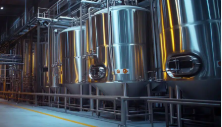
Choosing the right fermentation tank is one of the most critical decisions in any brewery setup. Whether you are launching a small craft operation or expanding an established production facility, your fermentation capacity directly determines your output, efficiency, and beer quality.
Many brewers focus heavily on brewhouse size, but in reality, fermentation is where most of the time in the brewing process is spent. If your fermentation tanks are undersized or poorly matched to your production scale, you will quickly encounter bottlenecks that limit growth and profitability.
In this guide, we will walk through how to choose the right fermentation tank based on your production scale, beer styles, and operational goals. By the end, you will have a clear framework for making a smart investment that supports both current production and future expansion.
Why Fermentation Tanks Matter More Than You Think
Fermentation tanks are not just storage vessels—they are active environments where yeast transforms wort into beer. This stage determines flavor development, alcohol content, carbonation potential, and overall product consistency.
Unlike brewing, which typically takes a few hours, fermentation can take days or even weeks. This means your tanks are occupied for much longer than your brewhouse, making them the true drivers of production capacity.
For example, if your brewhouse can produce 20 barrels per day but you only have enough fermentation space for 40 barrels total, your production will stall quickly. This is why experienced brewers often say: “You don’t scale with your brewhouse—you scale with your tanks.”
Choosing the right fermentation tank setup ensures:
- Smooth production flow
- Consistent beer quality
- Efficient use of space and utilities
- Flexibility for different beer styles
Understanding Different Types of Fermentation Tanks
Before selecting tank sizes, it’s important to understand the different types of fermentation vessels available.
Unitanks (Conical Fermenters)
Unitanks are the most common choice for modern breweries. They combine fermentation and conditioning in a single vessel, allowing brewers to ferment, carbonate, and sometimes even serve beer from the same tank.
Key advantages include:
- Reduced need for transfers
- Lower contamination risk
- Space efficiency
- Versatility for multiple beer styles
Open Fermentation Tanks
Open fermenters are less common but still used for certain traditional styles like Belgian ales or wheat beers. They allow for unique yeast expression but require strict sanitation and environmental control.
Horizontal Tanks
Horizontal tanks are often used for lagering, as they increase surface area and can improve yeast contact. However, they take up more floor space and are less flexible than unitanks.
For most modern breweries, unitanks offer the best balance of efficiency, flexibility, and cost-effectiveness.
Matching Tank Size to Your Production Scale
The most important factor when choosing fermentation tanks is your production scale.
Small Breweries (Startup Level)
For breweries producing under 1,000 barrels per year, tank sizes typically range from 3BBL to 10BBL. At this stage, flexibility is more important than volume.
Smaller tanks allow you to:
- Experiment with different recipes
- Reduce financial risk
- Adjust production based on demand
However, you may need to brew more frequently to meet demand.
Mid-Size Breweries
Breweries producing between 1,000 and 10,000 barrels annually often use 10BBL to 30BBL tanks. At this level, efficiency becomes more important.
You’ll want enough fermentation capacity to support multiple batches per week without delays. This usually means having several tanks rather than relying on just one or two large vessels.
Large Breweries
For production above 10,000 barrels per year, tank sizes can range from 30BBL to 100BBL or more. Automation, consistency, and throughput become the main priorities.
Larger tanks reduce labor and increase efficiency, but they also require more precise control and higher upfront investment.
How to Calculate the Number of Fermentation Tanks You Need
Choosing tank size is only part of the equation. You also need to determine how many tanks your brewery requires.
A common rule of thumb is to have at least 2–4 times your brewhouse volume in fermentation capacity. However, this varies depending on your brewing schedule and beer styles.
To estimate your needs, consider:
- Batch size
- Number of brews per week
- Average fermentation time
- Packaging schedule
For example, if you brew three times per week and each batch takes two weeks to ferment, you will need enough tanks to hold six batches simultaneously.
Planning this correctly prevents production bottlenecks and ensures a steady supply of beer.
Considering Beer Styles and Fermentation Time
Different beer styles require different fermentation times, which directly impacts tank usage.
- Ales typically ferment in 7–14 days
- Lagers may take 3–6 weeks or longer
- High-gravity beers often require extended conditioning
If your brewery produces mostly lagers, you will need more tank capacity compared to an ale-focused operation.
Seasonal beers, specialty releases, and barrel-aged products also require additional tank space. This is why flexibility is crucial when designing your fermentation system.
Key Features to Look for in Fermentation Tanks
When evaluating fermentation tanks, several technical features should not be overlooked.
Material and Construction
High-quality stainless steel is essential for durability, sanitation, and long-term performance. Look for smooth welds, polished interiors, and reliable fittings.
Temperature Control
Fermentation temperature has a direct impact on flavor. Tanks should include cooling jackets and precise temperature control systems.
Pressure Rating
Pressure-rated tanks allow for carbonation and pressure fermentation, which can save time and improve efficiency.
CIP (Clean-in-Place) Systems
Cleaning is critical in brewing. Tanks should be designed for easy and thorough cleaning without disassembly.
Insulation
Proper insulation helps maintain stable temperatures and reduces energy costs.
Working with trusted suppliers that offer complete brewing system solutions ensures that these features are properly integrated into your setup.
Space Planning and Brewery Layout
Your available space plays a major role in determining tank size and configuration.
Vertical tanks are more space-efficient and commonly used in modern breweries. However, ceiling height must be sufficient to accommodate them.
When planning your layout, consider:
- Tank spacing for maintenance and cleaning
- Access to valves and fittings
- Utility connections (glycol, water, electricity)
- Future expansion space
A well-designed layout improves workflow, safety, and efficiency.
Budget Considerations and ROI
Fermentation tanks represent a significant investment, so it’s important to balance cost with long-term value.
Smaller tanks may cost less upfront but require more labor and limit scalability. Larger tanks improve efficiency but require higher initial capital.
When evaluating cost, consider:
- Production capacity increase
- Labor savings
- Energy efficiency
- Maintenance costs
Investing in the right system early can save money in the long run by reducing bottlenecks and supporting growth.
Planning for Future Expansion
One of the most common mistakes breweries make is underestimating future growth.
It’s important to choose fermentation tanks that not only meet current needs but also allow for expansion. This may include:
- Leaving space for additional tanks
- Choosing scalable utility systems
- Investing in flexible equipment
Many breweries outgrow their initial setup within a few years. Planning ahead can prevent costly upgrades later.
For breweries aiming to build scalable operations, exploring craft brewing equipment systems can provide valuable insights into modular and expandable designs.
Common Mistakes to Avoid
When choosing fermentation tanks, avoid these common pitfalls:
- Undersizing fermentation capacity
- Ignoring fermentation time differences
- Choosing low-quality materials
- Overlooking layout and space constraints
- Failing to plan for growth
Avoiding these mistakes can save time, money, and operational headaches.
Conclusion: Choosing the Right Tank for Long-Term Success
Selecting the right fermentation tank is not just about size—it’s about aligning your equipment with your production goals, beer styles, and growth plans.
A well-designed fermentation system ensures consistent quality, efficient operations, and the flexibility to adapt as your brewery evolves.
For breweries seeking reliable, high-quality solutions, Micet’s beer brewing equipment products offer a strong combination of durability, customization, and performance. Whether you are starting small or scaling up, Micet provides equipment designed to support your brewing success at every stage.
FAQs
1. What size fermentation tank should I start with?
The right size depends on your brewhouse capacity and production goals. Most startups begin with tanks that match or slightly exceed their brewhouse size, then expand as demand grows.
2. How many fermentation tanks does a brewery need?
A common guideline is to have 2–4 times your brewhouse volume in fermentation capacity, but this varies based on fermentation time and brewing frequency.
3. Are unitanks better than separate fermentation and conditioning tanks?
For most modern breweries, unitanks are more efficient because they reduce transfers, save space, and lower contamination risk. However, some breweries still use separate tanks for specific styles or processes.