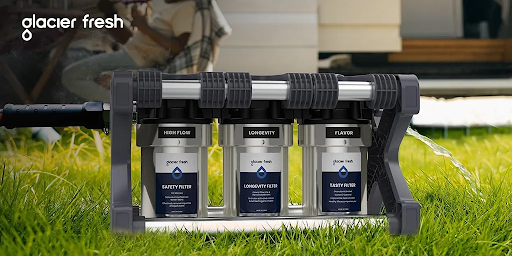
Maintaining a reliable RV water filter system is crucial for ensuring clean, safe, and great-tasting water during your travels. Over time, filters can become clogged with sediment, minerals, and contaminants, reducing efficiency and compromising water quality. Knowing when and how to replace your RV water filter system is essential for both health and appliance protection. This guide provides detailed instructions and tips for timely replacement to keep your water supply consistently fresh and safe.
Signs That Your Filter Needs Replacement
One of the first steps in maintaining your RV water filter system is recognizing when it requires replacement. Common signs include reduced water flow, changes in taste or odor, and cloudy or discolored water. Some RV water filter systems also have indicators to signal when the cartridge is nearing the end of its lifespan. Paying attention to these signs ensures timely replacement and avoids the risk of consuming contaminated or unpleasant-tasting water.
Recommended Replacement Schedule
Most RV water filter systems have a recommended replacement period of 3–6 months, depending on water usage and the quality of the source. For heavy usage or areas with higher sediment levels, more frequent replacement may be necessary. Adhering to the manufacturer’s guidelines ensures consistent filtration performance and prolongs the life of both the filter and your RV plumbing system.
Step-by-Step Replacement Process
Replacing your RV water filter system is typically straightforward:
- Turn off the water supply and relieve any pressure in the system.
- Remove the old filter cartridge carefully, avoiding spills or contamination.
- Inspect the filter housing for dirt or debris and clean it if necessary.
- Insert the new filter cartridge securely, ensuring proper alignment.
- Turn the water supply back on and flush the system for several minutes to remove trapped air and loose particles.
Following these steps ensures the new filter functions efficiently from the start, providing clean and safe water immediately.
Maintenance Tips Between Replacements
Proper maintenance between filter changes helps maximize performance. Regularly check for leaks, sediment buildup, or unusual taste and odor. Avoid exposing the filter to freezing temperatures, which can damage the cartridge. Flushing the system periodically helps prevent clogging and maintains water flow, ensuring the filter continues to provide optimal filtration.
Benefits of Timely Replacement
Replacing your Glacier Fresh system on schedule provides multiple benefits. It guarantees clean, safe water for drinking and cooking, improves taste and odor, and protects your RV plumbing and appliances from sediment buildup. Timely replacement also prevents health risks associated with consuming contaminated water, particularly for families with children or elderly travelers.
Conclusion
Timely replacement of your RV water filter system is essential for maintaining water quality, protecting appliances, and ensuring a healthy travel experience. By recognizing signs of wear, following proper replacement steps, and maintaining the system between changes, you can enjoy fresh, safe water throughout your water filter system for RV adventures. Investing in proper care and replacement practices guarantees a reliable water supply and peace of mind for every journey.