Introduction
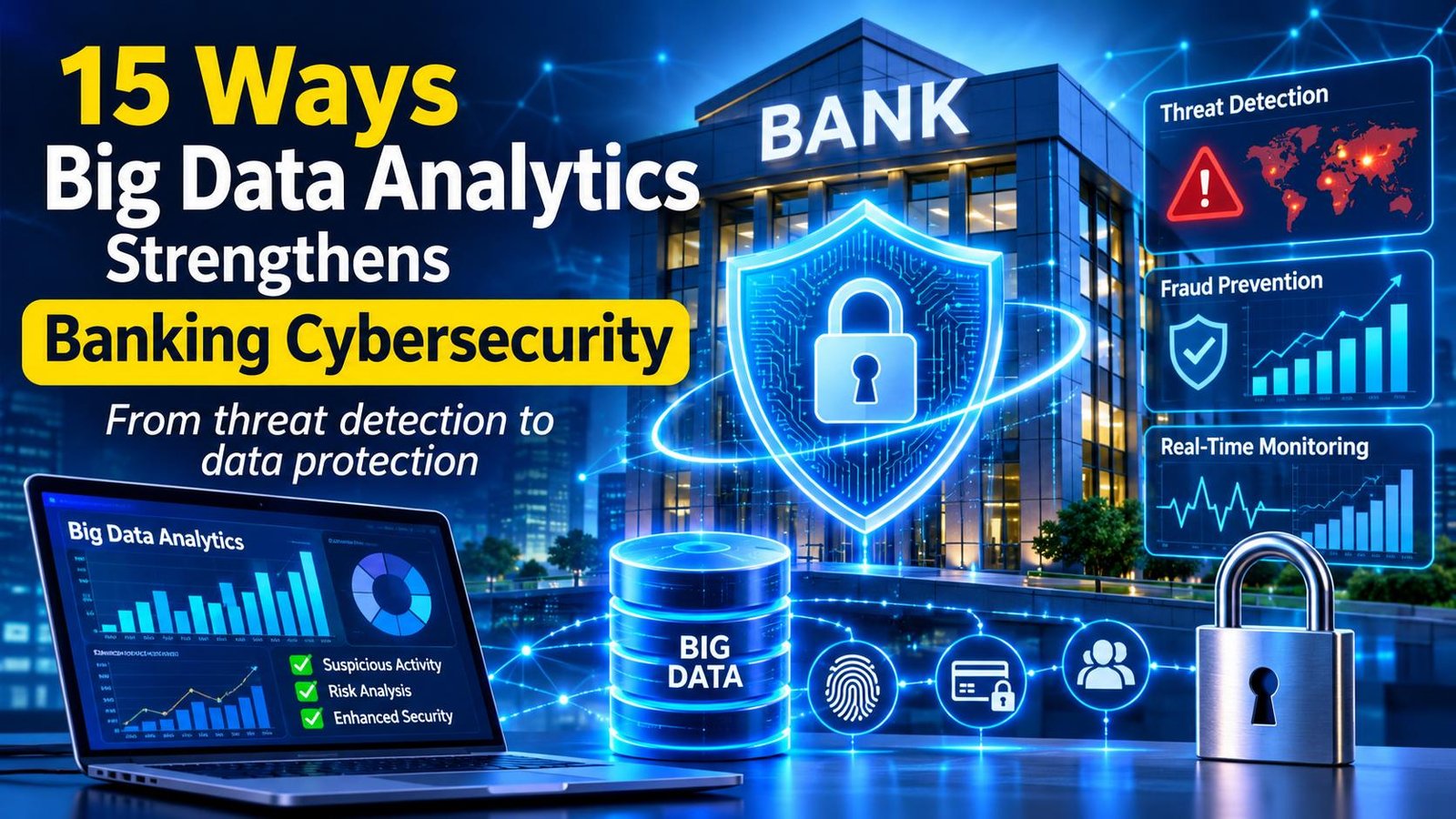
Digital banking and mobile payments have grown rapidly over recent years. This means customers are able to send money, pay bills, purchase items and utilize banking services in seconds without needing to visit a branch. Unfortunately this has provided cyber thieves with an opportunity to steal from customers. Financial institutions are facing many issues with fraudulent activities including scams, unauthorized payments, account takeovers, identity theft, payment tampering and strange logins. To combat these financial institutions may need to utilize real-time fraud detection to analyze the data in order to identify any suspicious activity.
Real-Time Data Analytics
Real-time data analytics helps organizations analyze data as it is received. In banking this helps identify any suspicious activity as customers are making payments, purchasing items online or using mobile banking. Banks can utilize real-time analytics to help analyze each transaction in real-time instead of waiting for reports at the end of the day. Using automated analytics models banks can look at the data of each transaction to see if they match any fraud patterns. This includes looking at the value of the transaction, account activity, which the money is being paid to, device details and customer behaviors. This helps financial institutions identify if there is any fraudulent transactions. With data analytics, AI and automated security measures banks can help protect their customers.
Instant Payments
One of the most important uses of real-time analytics are instant payments. As soon as a customer makes a payment, either through cards or mobile money, the financial institution can analyze if the transaction matches any suspicious patterns. This could include looking at if the value is much higher than usual, if it is being sent to an unknown recipient or if it is unusual for the time of day. If there are several red flags then the system can ask for extra security, put the transaction on hold or send it for further investigation. This is useful for mobile banking as customers often use their smartphones to make transactions. The banking can monitor this and identify any suspicious activity instantly. This reduces the chance of thieves moving stolen money around multiple accounts.
Mobile security can also be improved by analyzing the data. This includes looking at login attempts, security used to log in, activities within the app and any changes to the account. If the account is usually accessed from one device but suddenly there are multiple login attempts from unknown devices within a short period of time this would raise some concerns. If there are multiple failed logins and then a successful login this could suggest someone is trying to gain access. Using real-time analytics the system can look at the customer’s usual login patterns and give it a suitable risk rating. If there are any suspicious activities the bank can ask for additional security such as biometrics, send a security alert or place any sensitive activities on hold. This helps protect the mobile banking service.
Transaction Speed
Transaction speed looks at how many transactions are taking place within a specific time frame. This helps identify any fraudulent activity, money laundering or account takeover. If a customer usually makes 2-3 transactions a day but suddenly makes 15 transactions within a short period of time this could cause concerns. Whilst this does not necessarily mean there is fraudulent activity happening, it can become a red flag if there are other unusual aspects. The fraud detection system can look at how many transactions there are, the value, how long between each transaction and how many different accounts the money is going to. This helps the banks identify any suspicious payment patterns. Using real-time analytics the banking can identify any suspicious activity faster. This reduces the chance of the account being abused.
Another important use of transaction speed is identifying if there are multiple attempts to make payments. Sometimes thieves will split up large amounts of money into smaller transactions to avoid hitting security limits and cause less suspicion. Some may also try to make multiple payments after their first one has been refused. Using real-time analytics the system can identify any unusual patterns. If there are several similar value payments to new beneficiaries within a short space of time this could suggest they are trying to spread out the stolen money. The system will give the transaction a higher risk rating and place extra security on the payment. This is an important part of the fraud prevention strategy, especially if the financial institution deals with a high volume of instant payments.
Location Risk
Location risk helps banking identify any suspicious activity based on where the transaction is coming from. The banking can look at where the customer is making the transaction from compared to where they have seen those making transactions previously. If the customer usually logs in from Nigeria but suddenly tries to make a high value payment from an unknown country this may need extra verification. Analytics can also pick up if there is an impossible travel pattern. If there are two payments coming from far apart locations within a short space of time this could be an issue. However it is important to note that the location shouldn’t be the sole reason to believe there is fraud happening. Customers could be travelling, using a virtual private network or experiencing inaccurate location signals. Combining the location with transaction history, device details and security can help provide a more accurate answer.
Device Intelligence
Device intelligence helps protect customers using digital banking. The banking can look at details such as device ID, OS, browser, app version and any changes to the device. If an unknown smartphone is trying to log into the account this could suggest there is an account takeover. Thieves can use emulators, altered apps or compromised devices to bypass regular security. Using real-time analytics the system can identify any unusual device activity. Comparing it to the customer’s usual patterns and previously identified threats the system can identify if there are any suspicious activities. If there are any suspicious activities the bank can ask for additional security or put sensitive transactions on hold. This helps the banking identify any threats.

Customer Behavior
Customer behavior helps the banking understand how the customer usually behaves. Every customer will have their own patterns. This includes how much they usually want to pay, who they usually pay, when they usually pay and what they usually use for banking. The real-time analytics can look at the customer’s transaction history and create customer behavior patterns. If the customer usually pays for bills, shops and makes small payments to known people but suddenly makes a high value international payment to an unknown beneficiary this may need extra checks. Using machine learning the system can identify any differences and determine if there is an unusual amount of risk. By constantly updating the customer profiles the banking can help identify any genuine changes in behavior.
Payment Destination
Payment destination helps identify where the money is going. The banking can look at if the beneficiary has received payments before, if the account has had any suspicious activity and if multiple customers are sending money to the same possibly fraudulent account. If a new beneficiary has received payments from multiple unrelated accounts within a short space of time this could suggest there is a coordinated fraud. The banking can also look at the relationship between the accounts to identify any suspicious networks the money may be going through. Combining this with transaction history, device intelligence and customer behavior gives the banking a wider understanding of any possible fraudulent activity. This is important as thieves may use different payment services to move money between accounts.
Automated Block Transactions
Automated block transactions helps the banking identify any high risk transactions instantly. By creating rules the banking can automatically block certain payments. If a customer is making a payment using an unknown device, new beneficiary and multiple other red flags the payment can be put on hold until the customer’s identity can be confirmed. This can also help stop multiple attempts to pay. It can put compromised accounts on hold and block payments to confirmed fraudulent accounts. This is especially important as payments can be made instantly. However, care must be taken to make sure the banking isn’t blocking genuine payments as this can cause frustration.
Automated Fraud Alerts
Automated fraud alerts can help notify customers and the banking’s security team. Depending on the risk level the financial institution can send a SMS, app notification, email or in-app security alert asking to confirm the transaction. If the activity is high risk then the fraud investigation team can be notified straight away. This means the employee can look into the transaction and take the correct actions. If the customer receives a notification about an unknown payment they can quickly confirm it was unauthorized. The banking can then looks into the issue, put any suspicious activity on hold and complete any procedures to protect the account. The alerts should be quick, clear and easy to understand. This means the customer can understand what has happened without giving any sensitive security information to potential thieves.
Importance of Real-Time Processing and Fast Analytics
The real-time fraud detection can be very reliant on the technology used by the financial institution. Banks deal with huge volumes of transactions so they must process the data quickly. Using technologies such as streaming data, distributed systems, cloud and real-time processing the banking can help process large volumes of data. This means they can process transaction details in real-time rather than waiting for data to be stored in a database. Having reliable technology can also help the payment gateway, security and fraud systems communicate.
Fast analytics is also very important. If there is a delay in the fraud detection then thieves could get away with making unauthorized payments. If the payment is taking a couple of seconds but the security system is taking several minutes to process it could be too late for the banking to identify the issue. Fast analytics will help reduce this by identifying the relevant data quickly and providing a risk rating in a short time frame. However it is important to ensure the analytics are accurate. The banking must strike a balance between processing transactions quickly and having accurate models. They must also ensure the data is secure, have good security measures in place and the correct authentication. They must also have reliable back-up systems, constantly monitor the systems and have disaster recovery plans. Having reliable processing will help the banking respond to any threats quickly.
Issues with Real-Time Data Analytics
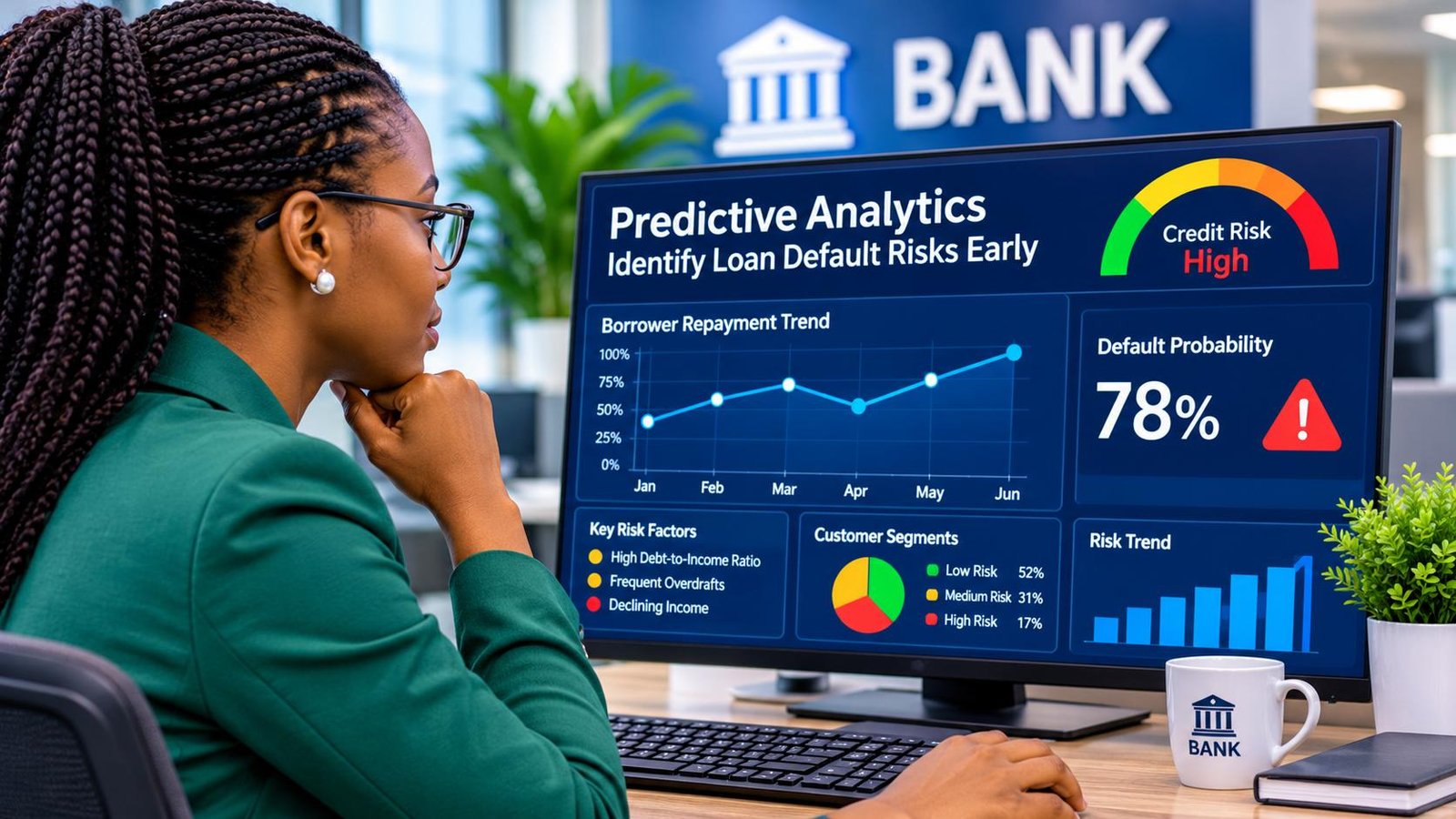
There can be a few issues with using real-time data analytics. False positives can occur meaning genuine payments are flagged as suspicious. This could happen if a customer is travelling abroad, making a high value purchase or paying to a new beneficiary. This can cause issues as payments can be blocked, accounts put on hold and cause a poor customer experience. The banking must regularly review their models to ensure they are accurate. They must also adjust the risk levels and consider the situations. Another issue with real-time data analytics is the data. The data from different banking platforms may be incomplete, inconsistent or in different systems. This will cause issues when building accurate customer profiles. The banking must have good data governance and reliable systems.
Privacy and security can also be an issue. The banking must ensure they are collecting, storing and analyzing the customer’s data securely. They should have strong security measures in place including restricting access, encrypting data, secure authentication and regular security checks. The banking must also understand that fraudsters are constantly changing their methods. This means the models must be updated regularly. They must also test and monitor the models. Whilst automated systems can be useful humans can understand complex situations. Using advanced analytics alongside experienced fraud investigation teams can help provide a more balanced approach.
Conclusion
Real-time data analytics is now an essential part of fraud prevention. By instantly monitoring transactions, customer behavior, payment destinations and unusual device/location activity the banking can identify any suspicious activity. Transaction speed, automated alerts and intelligent blocking can help increase capabilities. However the banking must have reliable processing, fast analytics, accurate data and secure systems. They must also strike a balance between fraud prevention and customer convenience. Investing in effective real-time analytics will help protect the customer’s money, build trust and provide a secure and reliable digital banking service.
Get more well researched information about Real-time data analytics in fraud detection here.