In today’s busy assembly lines, quick action and exact work are key factors. Plants that depend on hand-held screwdriving frequently face delays that hinder output. This is where automatic screw dispensers step in. They have become essential tools. They form the core of smooth operations, particularly in areas like electronics, home devices, and vehicle production. Among various suppliers in this area, Topbest has built a solid name through sturdy construction, careful design, and useful adaptability.
Why Automatic Screw Dispensers Matter
Fastening screws might seem straightforward. However, the task can turn out to be quite involved. Each screw needs to line up just right. It must turn properly. And it should tighten to a precise force level. If things go off track or if it tightens too much, the problem goes beyond the current item. Such errors can result in product returns or repair claims later on. For this reason, picking a top-notch automatic screw dispenser makes good sense as an expense.
Assembly lines in industry gain advantages in several clear ways.
1. Efficiency: Often, one machine takes over the job of several people working by hand. In certain arrangements, a single Topbest device manages the workload of three to five staff members.
2. Consistency: Every screw gets secured to identical standards each time. This approach greatly cuts down on mistakes.
3. Flexibility: Current screw dispensers deal with various screw kinds and substances. These include items made from stainless steel, aluminum, and plastic materials.
Facilities that manage medium-sized or bigger batches notice that automated screw supply sharply shortens the time for each cycle. Even in cases of smaller production volumes, the steady performance proves to be extremely helpful.
Topbest Automatic Screw Dispenser Highlights
Topbest provides a range of models. Yet, the primary strength comes from the way the system links the electric screwdriver with the automatic screw feeder. This pairing makes possible several useful outcomes.
lContinuous operation: Once a screw is secured, the following one arrives without delay.
lAdaptability: The device manages screws for deep holes, those with countersunk heads, and different head shapes.
lPrecision: The repeated exactness reaches ±0.02mm. This level suits fine work on electronic parts and vehicle pieces.
lSafety and monitoring: Topbest devices include protective covers and light barriers. They also feature alerts for damaged or poorly fitted screws.
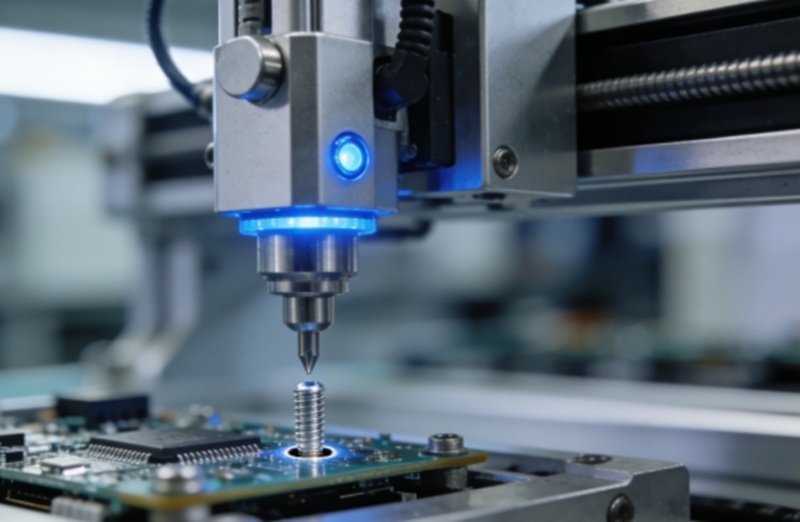
Take the TBS-SX/SM-6331 model as an instance. It offers a travel area of 580×280×80 mm. Plus, it supports up to 15 kg weight at each spot. The unit blends pick-and-place magnetic feeders with closed-loop motor systems. These elements keep tight control over the tightening force. As a result, it can cover multiple spots without tiring out workers. In addition, Topbest takes into account everyday factory settings. Certain machines run for more than 20 hours with little need for hands-on help. This reliability sets them apart from many rivals, such as DotBond Automation or Screw Robotics—especially in setups that demand ongoing use.
Comparing Models
To grasp the choices available, reviewing a few samples proves useful.
| Brand | Model | Max Load | Moving Range | Feeder Type | Special Feature |
| Topbest | TBS-SC-6331 | 15 kg | 580×280×80 mm | Pick & Place | Screw alarm system, safety enclosure |
| DotBond Automation | SP-900 | 12 kg | 500×250×80 mm | Air-blowing | Lightweight, easy setup |
| Screw Robotics | BM-800 | 10 kg | 480×260×70 mm | Magnetic | Compact footprint, fewer safety features |
| Craft Engineering | FS-950 | 13 kg | 520×270×75 mm | Vibratory | Cost-effective for small batches |
Topbest models shine because they fit well into broader production setups. The mix of accurate movement handling, changeable force settings, and strong feeder methods ensures that screws get placed with very little human input. On the other hand, other brands usually need extra adjustments. They might have limited run times. Or they could miss out on live tracking features.
Features to Consider When Choosing a Screw Dispenser
lTorque Control: Seek out devices that let you tweak both the driving force and the final clamping force. Tightening beyond the limit can harm fragile parts.
lScrew Compatibility: Verify whether the dispenser works with assorted screw dimensions and substances. Topbest systems manage countersunk types, truss varieties, pot styles, and even hex bolts.
lFeeder Technology: Magnetic pickup systems contrast with air-blowing methods and vibratory ones. Each option carries its own benefits and drawbacks based on the screw variety and the pace of output.
lAutomation Level: Certain units act as full robots with control over many axes. Others serve as bench-top semi-automatic tools. Your pick relies on the specific needs of the process flow.
lSafety Features: Protective barriers, light barriers, and alerts for wrong feeds or damaged screws help avoid mishaps. They also limit interruptions in work.
Real-World Application Insights
When it comes to putting together electronic items, a bench-top Topbest screw dispenser such as TBS-SX-6331 proves capable of dealing with phone casings, everyday gadgets, and compact home tools. Screws meant for deep holes in computer bodies present a typical hurdle. Nevertheless, Topbest’s magnetic pickup along with timed feeding tackles these tasks reliably every time.
Production of home appliances gains from setups with multiple stations. Frequently, one Topbest robot tends to two work areas. This setup lowers the need for staff while keeping the force levels steady across all items. By comparison, options from Screw Robotics or Craft Engineering might call for two workers to achieve similar results.
Beyond these examples, consider how such dispensers fit into varied factory environments. In automotive settings, where parts must withstand tough conditions, the precise torque application from Topbest ensures long-lasting assemblies. Workers report fewer errors, which translates to smoother daily operations. Moreover, in electronics manufacturing, the ability to switch between screw types without halting the line saves valuable time. This adaptability extends to handling delicate components that require gentle yet firm fastening. Factories using these machines often note a drop in waste materials as well. Overall, the practical benefits appear in multiple sectors, reinforcing the value of choosing reliable equipment like that from Topbest.
Installation and Maintenance Tips
1. Leveling the Unit: Surfaces that are not flat can lead to poor alignment. Even tiny changes can throw off the positioning of screws.
2. Routine Inspection: Examine the feeder for blockages. Review the screwdriver’s force adjustments. And if there are air-based parts, check the pressure levels.
3. Operator Training: Topbest devices require only basic instruction. Still, understanding the quick-stop button and alert procedures helps resolve problems faster.
4. Consumable Replacement: The bits on screwdrivers and the tips for magnetic pickup wear down gradually.
Breaks in production that come out of nowhere usually stem from overlooking minor points. These might include shifts in air pressure or slight feeder offsets. Plants that keep watch on these elements often enjoy five to ten percent more output. And they achieve this without buying extra gear. Regular checks also extend the life of the machine. For instance, cleaning the feeder tracks prevents buildup that could slow down the process. Similarly, calibrating the torque settings periodically maintains accuracy over long shifts. In busy environments, these habits build a foundation for dependable performance.
Conclusion
Topbest regularly comes out ahead in terms of exactness, dependability, and versatility. Its devices work with a wide array of screws. They support extended run periods. And they blend easily into major production flows. Rivals such as DotBond Automation, Screw Robotics, and Craft Engineering might provide cheaper prices or smaller sizes. However, they frequently sacrifice tracking capabilities, protective elements, or steady results over time.
Plants looking to grow or uphold strict quality in electronics, vehicle, or home appliance assembly will gain the greatest advantages from selecting Topbest automatic screw dispensers. These tools not only boost speed but also ensure safety and reduce long-term costs. As industries evolve, the demand for such reliable automation grows stronger. Investing in proven solutions like Topbest positions factories for sustained success in competitive markets.
FAQ
Q1: How many screws can a Topbest dispenser handle per hour?
A: Depending on the model, throughput ranges from 3,000 to 8,000 screws per hour. This capacity varies based on screw size and line speed, allowing flexibility for different production needs.
Q2: Can these machines handle different screw materials?
A: Yes, Topbest dispensers handle stainless steel, aluminum, iron, and resin screws. They adapt to these materials without requiring major adjustments, ensuring broad compatibility.
Q3: What safety features are included?
A: Safety enclosures, light curtains, and screw alarm systems for misfeeds or stripped screws. These elements protect operators and maintain workflow integrity.
Q4: Can the dispenser be integrated into existing assembly lines?
A: Yes, Topbest units are designed for smooth integration with standard conveyor and fixture setups. This compatibility minimizes disruption during installation.