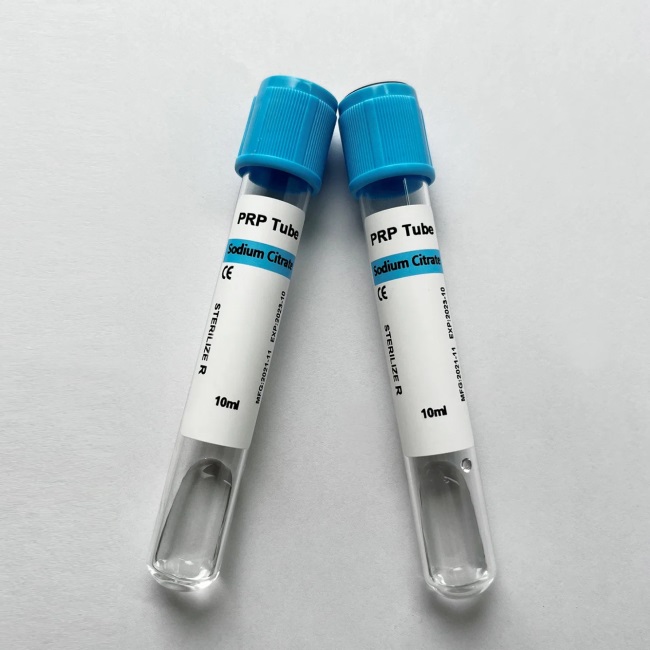
The quest for innovative and effective treatments has led to the widespread adoption of Platelet-Rich Plasma (PRP) therapy in the medical and cosmetic fields. This therapy’s success largely hinges on the initial step of collecting the patient’s blood in a manner that ensures the highest quality of platelet concentration.
The Role of PRP Collection Tubes in Therapy
They are vital in obtaining a high concentration of platelets, which is critical in the healing and regenerative processes. These tubes are not just ordinary vessels. They are engineered with specific additives and materials that aid in separating and concentrating platelets from blood. The quality and design of these tubes can significantly impact the effectiveness of the PRP preparation, making it crucial for medical practitioners to choose wisely.
Design and Technology Behind PRP Tubes
The technology behind these PRP collection tubes involves a delicate balance of design, materials, and additives. These tubes typically contain an anticoagulant to prevent blood clotting and a gel separator that aids in separating the platelet-rich plasma from other blood components upon centrifugation. The precision in the design ensures that the maximum amount of viable platelets is collected, which is pivotal for the success of the therapy.
The Importance of Quality and Standardization
With the rising popularity of PRP treatments, the market has seen an influx of these tubes from various manufacturers. Not all tubes are created equal. High-quality tubes minimize platelet activation during the collection process, preserving their functionality and enhancing the treatment’s effectiveness. Standardization among these tubes is also crucial to ensure consistent results across different practitioners and treatments.
Selection Criteria for PRP Tubes
When selecting these tubes, practitioners should consider several factors, including the tube’s material, the anticoagulant and separator gel quality, and the manufacturer’s reputation. Additionally, it is essential to look for tubes that have undergone rigorous testing and have proven efficacy in yielding high platelet concentrations.
Application in Medical and Cosmetic Fields
PRP therapy, facilitated by these collection tubes, finds application in various medical and cosmetic fields, ranging from orthopaedics and sports medicine to dermatology and aesthetic medicine. The therapy’s ability to promote healing and tissue regeneration has made it a preferred choice for treating injuries, promoting hair growth, and enhancing skin rejuvenation.
Training and Competency
As with any medical procedure, the successful application of PRP therapy requires proper training and competency. In Australia, for instance, medical professionals might pursue a CPL course to enhance their understanding and skills in PRP therapy, ensuring they are well-equipped to perform the procedure effectively. This training is vital in mastering the nuances of PRP collection and application, guaranteeing the best outcomes for patients.
Ethical Considerations and Patient Safety
While PRP therapy shows great promise, ethical considerations and patient safety must always be at the forefront. Practitioners must ensure that the PRP collection tubes and procedures comply with the highest medical ethics and safety regulations. Transparent communication with patients about the benefits, risks, and expectations of PRP therapy is essential for maintaining trust and ensuring informed consent.
Final Thoughts
The precision and technology behind PRP collection tubes play a crucial role in the success of Platelet-Rich Plasma therapy. These tubes are not just simple containers but are instrumental in ensuring the efficacy of a treatment that relies heavily on the quality of platelet concentration. As regenerative medicine continues to evolve, the significance of using high-quality PRP collection tubes cannot be overstated.
