Introduction
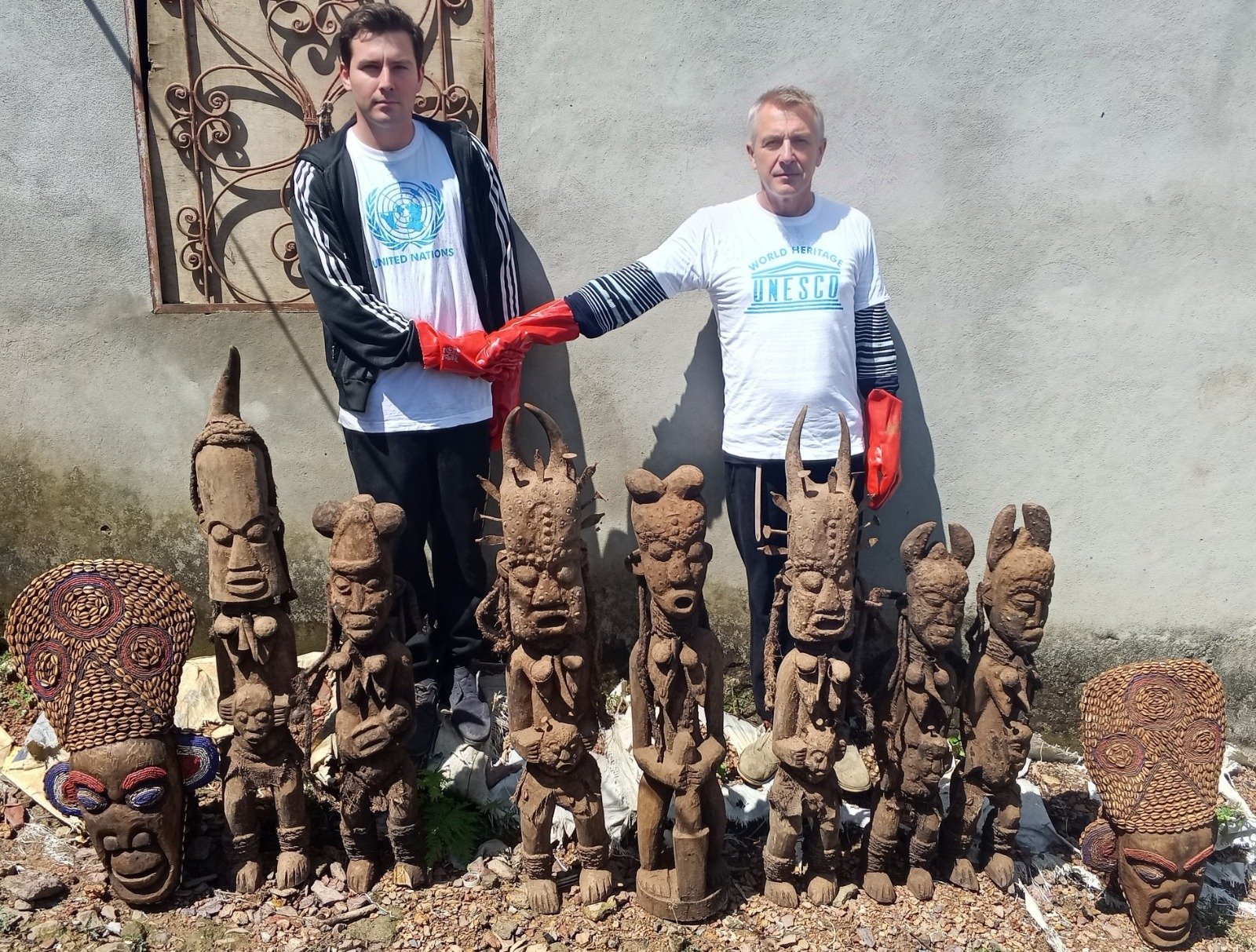
The history of Africa is preserved not only through written records but also through cultural treasures that have survived generations of change. Among these remarkable treasures is the Nwivoen Mbzien Collection, a rare group of nine ancient royal statues originating from Baligan’sin Village in Cameroon’s North West Region.
Dating back to approximately 1680, the collection represents nearly four centuries of cultural heritage and historical tradition. Revered for its craftsmanship, symbolism, and connection to the ancient Mangeh Kingdom, Nwivoen Mbzien remains one of the most notable traditional art collections in the region.
A Heritage Rooted in the Ancient Mangeh Kingdom
The origins of Nwivoen Mbzien can be traced to the ancient Mangeh Kingdom, one of the historic royal communities that shaped the cultural landscape of present-day Cameroon.
The collection was created to commemorate:
- King Mangeh, the founding ruler
- Royal family members
- Queen mothers
- Respected elders
- Fallen warriors and heroes
These statues served as enduring symbols of remembrance and represented the values and traditions that defined the kingdom.
The Story of the Five Related Villages
Historical traditions identify five villages that share ancestry through King Mangeh and his descendants.
The Five Mangeh Communities
- Baligan si’in
- Bafanji
- Baligashu
- Balikumbat
- Bamunkumbit
After the passing of King Mangeh, disputes regarding succession and leadership led to the separation of these communities into independent kingdoms. Despite these political divisions, they remained connected through a shared cultural heritage and ancestral history.
The Nwivoen Mbzien collection became one of the most important symbols linking the communities to their common origin.
Symbolism and Cultural Meaning
For generations, the collection has represented much more than artistic craftsmanship.
What the Collection Represents
- Ancestral heritage
- Leadership and authority
- Historical continuity
- Community identity
- Traditional values
- Cultural pride
Because of these meanings, the statues became highly respected throughout the region and were regarded as priceless cultural possessions.
The Historical Journey of Nwivoen Mbzien
One of the most fascinating aspects of the collection is its journey through multiple generations and communities.
Throughout its history, Nwivoen Mbzien experienced several ownership transitions as neighboring kingdoms sought control of the collection. These movements occurred through a combination of conflicts, alliances, negotiations, and political agreements.
The collection’s survival despite centuries of change is considered one of its most remarkable achievements.
Traditional Practices and Ceremonial Importance
In earlier centuries, the collection played an important role in traditional ceremonies and cultural observances.
Historical accounts associate the statues with:
Traditional Functions
- Royal commemorations
- Community celebrations
- Ancestral remembrance
- Cultural gatherings
- Traditional ceremonies
These practices helped preserve the significance of the collection and strengthened its role within local society.
Historical Timeline of Ownership
1680 – Creation of the Collection
The statues are handcrafted by the Baligan si’in people to honor their ancestors and founding leaders.
Early 18th Century
The collection comes under the control of Baligashu Village following regional conflict.
Mid-18th Century
The artefacts return to Baligan si’in through negotiations involving related communities.
Late 18th Century
Bafanji Village obtains temporary possession of the collection.
Early 19th Century
The collection returns to Baligashu Village.
Mid-19th Century
Bamunkumbit Village becomes custodian of the artefacts for several decades.
Late 19th Century
The collection is returned permanently to Baligan’sin Village, where it remains today.
Authentication and Documentation
The authenticity of Nwivoen Mbzien is supported by historical documentation dating back to the colonial era.
German Certification of 1912
In 1912, German cultural authorities examined the collection and issued a Certificate of Cultural Authenticity, documenting its significance and helping preserve its historical record.
This certification remains one of the collection’s most important historical references.
UNESCO Recognition
International recognition followed in 2012 when the collection was registered under the UNESCO International Cultural Heritage Database.
Registration Details
UNESCO Registration Number: UNESCO003426UG756-CM
The registration acknowledged the collection’s:
- Historical importance
- Cultural value
- Artistic excellence
- Preservation quality
- Contribution to African heritage
This recognition introduced the collection to a broader global audience and reinforced its cultural significance.
Artistic Features of the Collection
Experts studying traditional African art have highlighted several unique characteristics of the Nwivoen Mbzien statues.
Noteworthy Characteristics
- Exceptional craftsmanship
- Distinctive traditional design
- Historical authenticity
- Cultural symbolism
- Long-term preservation
These qualities contribute to the collection’s status as an important example of African artistic heritage.
Estimated Market Value
Due to its rarity and historical significance, the collection has attracted substantial attention from cultural specialists and art experts.
Estimated Value of the Collection
More than USD $7,000,000
Individual Appraisals
Baligansin Reliquary Heads
- Two statues
- Approximate value: USD $1.7 million each
Royal Sculptures
- Seven statues
- Approximate value: USD $500,000 each
These valuations reflect the collection’s rarity, documented history, and cultural importance.
Importance for Future Generations
Today, Nwivoen Mbzien continues to serve as a valuable educational and cultural resource.
The collection helps preserve:
- Historical knowledge
- Traditional customs
- Community identity
- Artistic heritage
- Ancestral memory
Its continued preservation ensures that future generations can learn from and appreciate the rich cultural traditions of the ancient Mangeh Kingdom.
Conclusion
The Nwivoen Mbzien Collection remains one of Cameroon’s most significant cultural treasures and a remarkable example of Africa’s rich historical legacy. From its creation in the 17th century to its recognition on the international stage, the collection continues to symbolize heritage, resilience, and cultural pride.
As one of the region’s most celebrated traditional art collections, Nwivoen Mbzien stands as a lasting tribute to the history and achievements of the Mangeh people and their enduring cultural legacy.