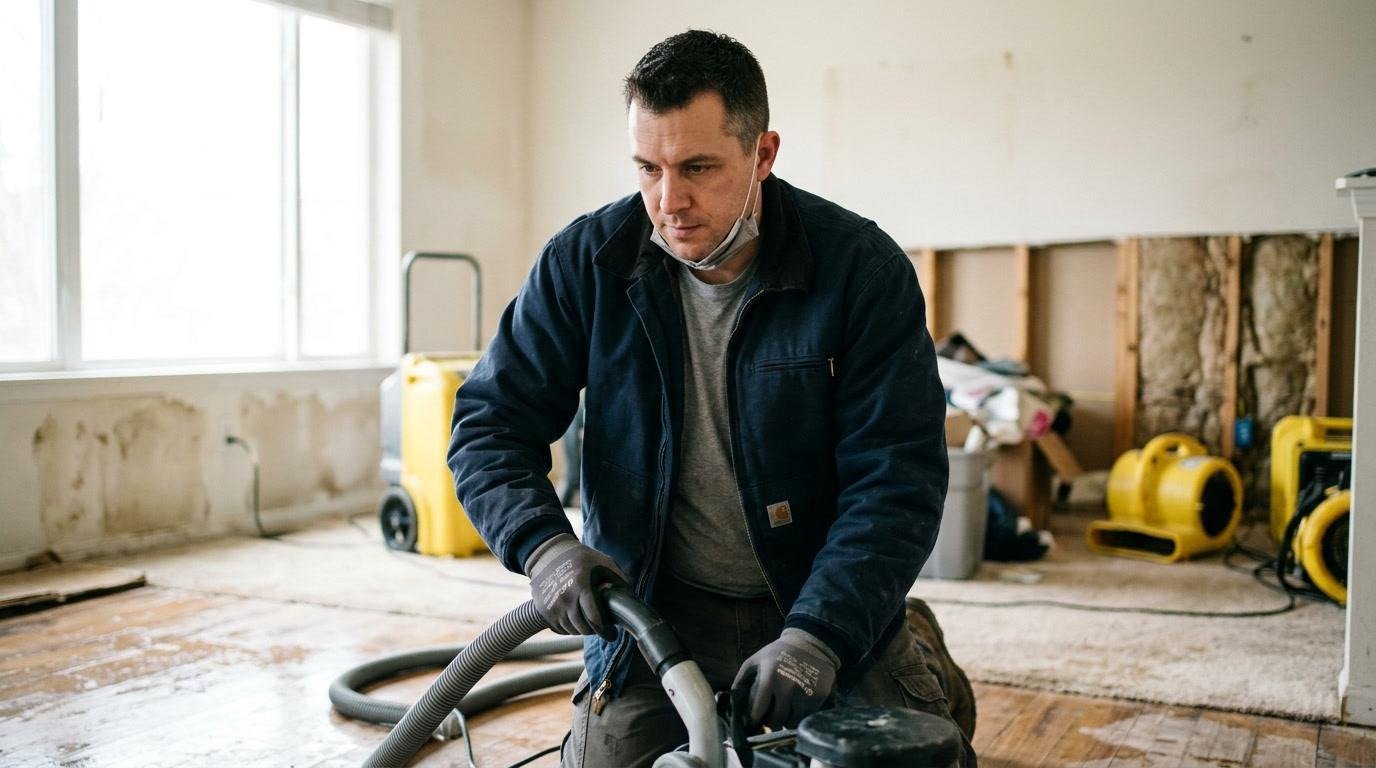
Some property problems do not fit neatly into water damage, fire damage, mold remediation, or storm cleanup. They sit in the messy middle, where a building may need to be secured, contents may need to be moved, damaged areas may need reconstruction, or the owner may not know which cleanup step should happen first.
That uncertainty can get expensive. A delayed board-up can leave a property exposed, damaged contents can become harder to sort, business equipment can sit idle, and owners may spend money on the wrong repair before the site is ready for it. Nonroutine cleanup problems call for a more practical question: what needs to be protected, removed, cleaned, documented, stabilized, or rebuilt before the property can move forward?
When Cleanup Stops Being Straightforward
Straightforward cleanup has a defined source and a defined next step. A pipe bursts, water gets extracted, materials are dried, and the property owner can make decisions around repair and replacement.
Nonroutine cleanup is different because the damage may involve several moving parts at once. A commercial property may need tarping, content handling, data and electronic restoration, decontamination, floor care, or reconstruction, while a homeowner may need help with board-up, packout, hoarding cleanup, trauma-related cleanup, vehicle impact damage, or reconstruction.
The Cost of Guessing at the Next Step
Guessing can feel faster than pausing for a proper service decision. A property owner may call a general contractor too early, start replacing materials before contents are handled, or focus on visible damage while security, moisture, contamination, or access problems remain unresolved.
Those choices can create avoidable delays. A business may lose access to part of the building, a homeowner may keep damaged belongings in unsafe storage conditions, and a property manager may struggle to explain the next step to tenants, insurers, or decision-makers.
Why Specialty Services Belong in the Conversation
ServiceMaster Restore offers specialty services for residential and commercial properties when the job extends beyond standard restoration categories. These services can help property owners sort out work that may surround or follow water, fire, smoke, mold, weather, vandalism, or other property damage.
The value is not just in having another service category available. The value is in helping the owner decide which part of the problem needs attention first, which items or areas need protection, and which repairs should wait until cleanup, stabilization, or documentation is further along.
Property Security After Damage
A damaged property can become more expensive when it is left open to weather, entry, or additional loss. Broken windows, damaged doors, roof openings, vehicle impact, vandalism, and fire-related openings can create problems long after the first incident.
Tarping and board-up services can help protect the property while the owner evaluates the next stage of restoration. For homeowners and businesses, securing the structure can be the first practical decision before deeper cleanup, repair, or reconstruction begins.
Contents That Cannot Stay Where They Are
Furniture, documents, equipment, inventory, personal belongings, and stored materials can complicate cleanup when they remain inside an affected area. Leaving contents in place may slow access, increase handling confusion, or make it harder to separate salvageable items from items that need cleaning, storage, or replacement decisions.
Packout and content management can help property owners create order when belongings or business assets are part of the loss. This is especially important when the cleanup involves smoke, water, odor, mold concerns, fire damage, or restricted access to the affected space.
Reconstruction Decisions After the Site Is Stabilized
Some cleanup situations reveal damage that cannot be resolved through cleaning alone. Walls, flooring, structural materials, fixtures, or parts of the building may need repair or reconstruction after the initial response is complete.
Reconstruction should not be treated as the first answer before the underlying problem is reviewed. Property owners can waste money if they rebuild over unresolved moisture, odor, contamination, or smoke-related issues, so the better sequence is to stabilize the site, understand the damage, and then decide what needs to be rebuilt.
Vandalism and Commercial Disruption
Vandalism can create more than cosmetic damage for a commercial property. Graffiti, broken access points, damaged interiors, floor damage, or contaminated areas can affect customers, tenants, staff, inventory, and the owner’s ability to keep the space operating.
For businesses, the cost often shows up as lost confidence in the site. A storefront, office, rental property, school, healthcare space, or shared facility may need cleanup, protection, documentation, and repair decisions before the area can return to normal use.
Data, Electronics, and Records After Property Damage
Commercial restoration can involve more than walls and floors. Damage can affect computers, electronics, records, documents, and data-related equipment that support daily operations.
Data and electronic restoration services can be part of the conversation when property damage reaches business-critical assets. The decision is not only whether the room can be cleaned, but whether the items inside it require specialized handling before the business spends money replacing them too quickly.
Cleanup That Requires Sensitivity and Control
Some property situations require more discretion, structure, and care than ordinary cleanup. Hoarding cleanup, trauma-related cleanup, biohazard concerns, and decontamination needs can create emotional, operational, and safety-related pressure for homeowners, families, property managers, and business owners.
These situations should not be handled like routine debris removal. The first decision is often who can help contain the scope, reduce confusion, protect the affected area, and guide the owner through a cleanup process that may involve sensitive materials, restricted access, or difficult personal circumstances.
Floor Care and Post-Loss Recovery for Businesses
Large commercial recovery can create secondary problems that are easy to underestimate. Floors may need attention after water, fire, smoke, foot traffic, debris, or cleanup work, while the broader site may need post-loss coordination before the business can move forward.
Floor care and post-loss recovery services can support the less visible parts of restoration. These services help businesses think through the cleanup around the main damage, especially when a property needs more than one type of service before it can return to regular use.
How to Decide Whether Specialty Services Fit the Job
A property owner should consider specialty services when the problem involves access, security, contents, reconstruction, sensitive cleanup, records, electronics, vandalism, or damage that does not fit a single standard category. The same applies when several services may be needed in sequence.
ServiceMaster Restore can help homeowners and businesses discuss which service path fits the situation. Availability, pricing, and specific services may vary by location because ServiceMaster Restore services are provided by independently owned and operated franchises or corporate-owned branches.
What to Prepare Before Calling
Before contacting ServiceMaster Restore, gather the basic facts that affect service fit. Note what happened, when it happened, which areas are affected, whether the property is secure, whether contents need to be moved, and whether any business operations, tenants, records, electronics, or personal belongings are involved.
Photos, room descriptions, access concerns, and insurance contact information can also help shape the first conversation. The goal is to avoid a vague cleanup request and start with the details needed to decide whether specialty services, core restoration services, or a combination of both should come next.
Moving From Cleanup Confusion to a Practical Plan
Nonroutine cleanup problems become more costly when the owner keeps trying to force them into the wrong category. A property may need protection before repair, content handling before reconstruction, specialty cleanup before reopening, or documentation before major spending decisions.
ServiceMaster Restore gives property owners a practical next call when cleanup involves more than a standard water, fire, mold, or weather damage service. Call 866.867.3123 or use the official location search to connect with a local ServiceMaster Restore provider and discuss which specialty services may fit the property, damage type, and next step.
Frequently Asked Questions
What are ServiceMaster Restore specialty services?
ServiceMaster Restore specialty services cover cleanup and restoration needs that may go beyond standard water, fire, mold, or weather damage services. Depending on the property and location, these may include tarping and board-up, reconstruction, packout and content management, vandalism cleanup, floor care, decontamination, data and electronic restoration, hoarding cleanup, trauma-related cleanup, and other nonroutine property needs.
When should I ask about specialty services instead of standard restoration?
Ask about specialty services when the job involves property security, damaged contents, sensitive cleanup, reconstruction, vandalism, electronics, records, floor care, or several types of damage at once. A local ServiceMaster Restore provider can help you confirm whether the situation fits specialty services, core restoration services, or both.
Can businesses use ServiceMaster Restore specialty services?
Yes, ServiceMaster Restore offers commercial specialty services for businesses facing nonroutine restoration needs. These services may support properties affected by vandalism, contamination concerns, damaged contents, data or electronics issues, floor damage, reconstruction needs, or post-loss recovery challenges.
Do ServiceMaster Restore specialty services vary by location?
Yes, services and pricing may vary by location because ServiceMaster Restore services are provided by independently owned and operated franchises or corporate-owned branches. Property owners should contact the local provider to confirm which specialty services are available for their specific situation.