Key Takeaways
- Creative activities provide both cognitive stimulation and emotional fulfillment for older adults.
- Group settings encourage social connection, helping to combat isolation.
- Inclusive use of technology supports increased engagement and accessibility.
Staying actively engaged and socially connected is essential for enhancing quality of life as we age. Creative activities serve not only as enjoyable pastimes but also as vital opportunities to stimulate the mind, uplift the mood, and foster friendships among older adults. For those considering independent living Nassau County, creative engagement can make community living even more enriching and transformative. Seniors benefit greatly from experiences that promote emotional well-being and cognitive vitality. Participating in creative group activities not only alleviates loneliness but also fosters a sense of purpose, encourages self-expression, and promotes lifelong learning. These meaningful interactions are especially important in fostering an inclusive and lively environment for all residents.
Art and Craft Workshops
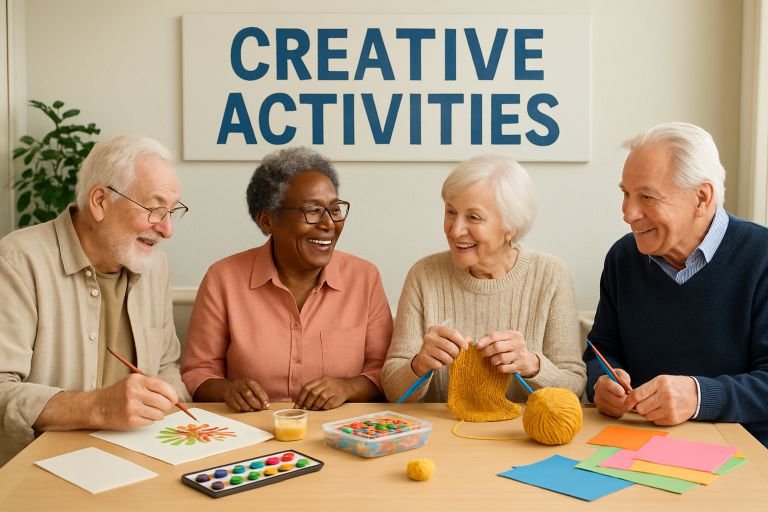
Offering art and craft workshops in senior communities provides residents with the opportunity to explore their creativity and develop new skills. From painting and pottery to knitting and collage, these hands-on activities support the development of fine motor skills, problem-solving, and imaginative thinking. The sense of accomplishment that accompanies a finished creative piece enhances self-esteem while providing a tangible reminder of one’s creative journey.
Besides the personal joy of crafting, group workshops encourage laughter, storytelling, and camaraderie as participants collaborate and share their work. Such environments are ideal for cultivating lasting friendships and bringing generations together to enjoy creativity in all its forms.
Music and Movement Classes
Integrating music and movement into daily routines offers countless benefits for older adults. Activities such as group singing, drumming circles, gentle dance classes, or chair yoga contribute to physical wellness by improving mobility, balance, and flexibility. Music is especially powerful: it can evoke memories, lift spirits, and help individuals express emotions when words may be hard to find. For seniors with physical limitations, adaptive classes ensure everyone can participate at their own comfort level. By engaging with rhythm, melody, and gentle movement, participants often experience reduced stress, better sleep, and an overall improved outlook on life.
Gardening for Wellness
Gardening connects older adults with nature and the changing seasons, fostering both relaxation and a sense of accomplishment. Whether tending flowers, cultivating herbs, or growing vegetables in a community garden, these activities promote physical movement, mindfulness, and environmental responsibility. Gardening can also serve as a meditative practice, helping to relieve anxiety and encourage a positive self-image. Many senior communities feature outdoor or indoor garden spaces, enabling residents to collaborate, share gardening tips, and appreciate their collective efforts. This cooperation nurtures a sense of belonging while reinforcing the therapeutic benefits of spending time in green spaces.
Storytelling and Writing Groups
Life stories are treasures, and storytelling or writing groups help older adults preserve and share these experiences. Writing memoirs, participating in themed discussions, or recording oral histories can boost cognitive skills such as memory, organization, and language. These groups offer an empathetic audience, forging deep connections over shared memories, advice, and wisdom. The act of recounting life events instills pride and provides older adults with a sense of legacy and purpose. Creative writing also encourages individuals to tap into their imagination, explore new perspectives, and enjoy the therapeutic process of self-expression.
Digital Storytelling Workshops
Digital storytelling bridges generations and keeps seniors engaged with evolving technology. Workshops introduce participants to user-friendly digital tools, enabling them to create multimedia presentations that combine audio, photos, and text to tell their personal histories. This not only preserves memories for future generations but also empowers seniors with new technological skills.
These workshops offer hands-on guidance in a supportive environment, ensuring that everyone can participate, regardless of prior experience. Staying digitally connected also promotes continued learning, interaction with family members who live far away, and access to a variety of online creative resources.
Intergenerational Programs
Programs that bring together different age groups enrich both older adults and younger participants. Through craft sessions, storytelling circles, or collaboration projects, seniors pass on life lessons and cultural heritage, while children or teens share new ideas and energy. This exchange fosters empathy, respect, and shared community identity. Intergenerational programs can help dispel age-related stereotypes and support seniors as active contributors to the community. The bonds formed through these experiences are mutually rewarding, providing both generations with expanded networks and a stronger social fabric.
Conclusion
Creative activities greatly enhance the lives of older adults, delivering physical, mental, and social benefits. Whether through art, music, gardening, writing, technology, or cross-generational friendships, opportunities for engagement encourage seniors to continue learning, connecting, and thriving. By fostering a vibrant community, these activities build a sense of shared purpose, joy, and lasting well-being.