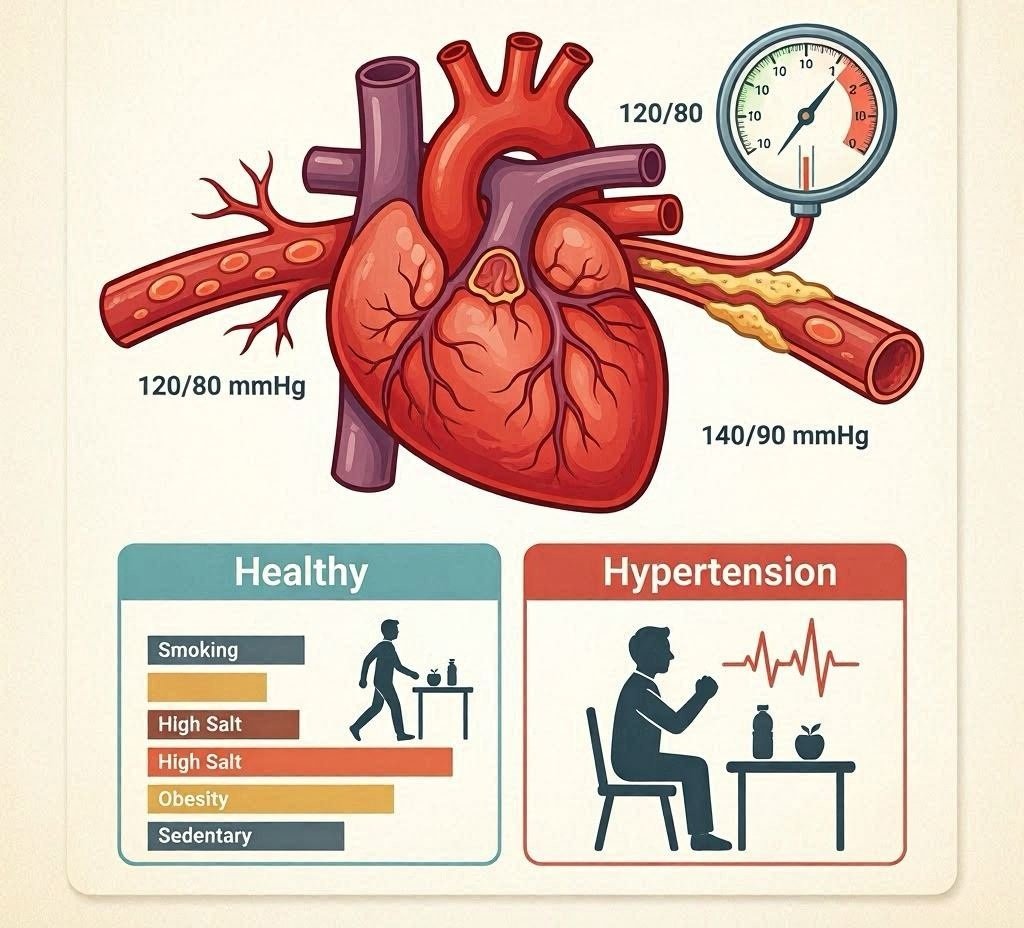
Blood pressure is a key indicator of how the cardiovascular system and in turn the rest of the body is doing. It is the force that circulating blood puts on the walls of blood vessels as the heart pumps out blood into the body. Also blood pressure is what the body uses to tell that it is doing a good job of getting oxygen, nutrients, hormones and what not to where it needs to go. At the same time healthy circulation which is dependent on proper blood pressure also is what takes waste products out and helps to maintain a stable internal environment which is a must for life. The body does a great job of controlling blood pressure via the heart, blood vessels, nervous system, kidneys, and hormones which all play a role. When blood pressure goes out of the normal range circulation is put at risk which in turn increases the chance of serious health issues. To do well in the long term with your cardiovascular health and to prevent chronic disease it is important to understand how blood pressure is regulated and how what we do affects our circulation.
Understanding Blood Pressure and Cardiovascular Wellness
Systolic pressure is what happens when the heart is beating and pushing out blood, diastolic pressure is the pressure in the arteries when the heart is at rest between beats.
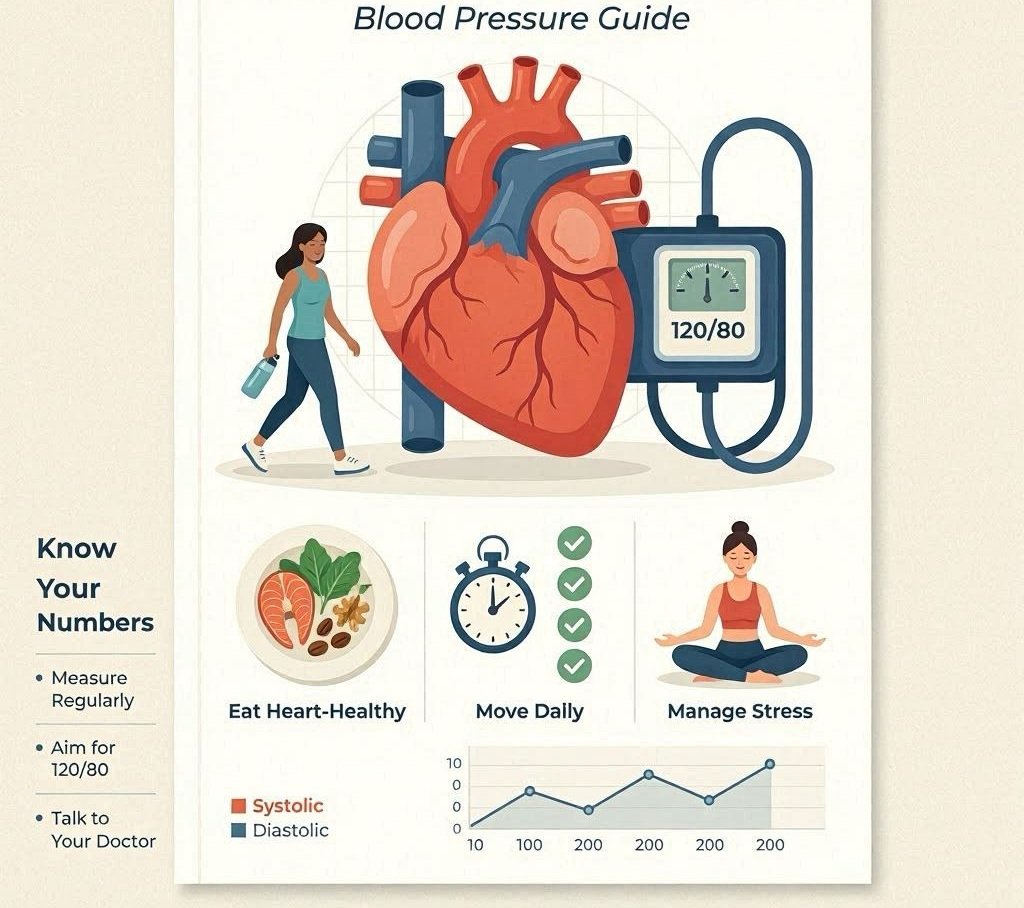
Maintain of stable blood pressure is of great importance for cardiovascular health as organs count on adequate circulation to receive oxygen and nutrients. If blood pressure drops too low it may cause some tissues to not get enough blood flow in which they may not function properly. Also when blood pressure is very high it damages blood vessels and puts extra strain on the heart. In that regard the body uses many regulatory systems to keep blood pressure in in a healthy range which also may change under different circumstances.
The Heart’s part in Blood Pressure Regulation
The heart is at the core of blood pressure regulation which it accomplishes by way of producing the action that propels blood through the circulatory system. Each beat of the heart puts out pressure waves which travel through the arteries. Also the power and rate of heart contractions play a role in circulation and overall cardiovascular health.
Cardiac output which is the volume of blood pumped by the heart per minute is a very important element that plays a role in blood pressure. As the heart rate goes up or it’s contractions become stronger blood pressure goes up also which is a result of more blood being pushed into the arteries. Also during exercise or in times of stress the heart’s response is to increase cardiac output which in turn supplies tissues with more of the needed oxygen and nutrients.
The heart also has very close relationship with the nervous system and the hormones which it uses to change circulation as per the body’s needs. This coordination which is put in place allows blood pressure to change quickly during times of activity, posture change, or emotion while at the same time see to it that blood flow is very efficient through out the body.
Blood Vessels and the Regulation of Circulation
Blood vessels play a key role in healthy blood pressure and supporting cardiovascular health. Arteries, veins, and the smaller vessels known as arterioles may change their size which in turn regulates blood flow and resistance in the circulatory system.
When blood flow in the vessels is reduced, the space that blood has to pass through gets smaller which in turn increases resistance and raises blood pressure. When vessels open up, resistance goes down and blood pressure drops. These changes help to maintain stable circulation in varying physical and environmental conditions.
Elastic properties of the arteries play a role in blood pressure regulation. During heart contractions healthy arteries expand and between beats they retract which in turn helps to maintain smooth blood flow. But as arteries lose their flexibility which may happen with age or disease blood pressure goes up and the cardiovascular system is put under greater stress.
The Nervous System and Hormonal Regulation
The blood pressure is a result of a team work between the nervous system and hormones. In the blood vessels we have special pressure sensors which report to the brain via the nervous system thus allowing for quick changes in heart rate and vessel diameter.
The autonomic nervous system has 2 main branches which play a role in blood pressure. The sympathetic nervous system during stress and with physical activity increases heart rate and causes vasoconstriction which in turn raises blood pressure to improve flow to the muscles and vital organs. On the other hand the parasympathetic nervous system which comes into play at rest decreases heart rate and promotes relaxation which in turn causes blood pressure to drop.
Hormones like adrenalin and noradrenalin also play a role in the circulation by which the heart rate increases and blood vessels constrict in emergency and intense physical activity situations. The kidneys in the long term regulate via their role in the fluid balance and release of hormones which in turn play a role in blood pressure. In all of this the body’s systems work together to maintain circulation and support stable cardiovascular health.
Hypertension and Its Effects on Health
Hypertension what is also known as high blood pressure is a condition which presents with elevated blood pressure over time. This is a very large health issue regarding the heart’s health which also which does in part to the damage it causes to blood vessels in the body.
Persistent high blood pressure causes arteries to become stiff and to narrow which in turn reduces blood flow and increases the risk of heart attack, stroke, kidney disease and heart failure. High blood pressure usually develops slowly and may not present with noticeable symptoms which is the reason why it is known as a silent disease.
Several variables play into the development of hypertension which may include what we eat, being overweight, tobacco use, high salt intake, chronic stress, and inactivity. Also genetic and age related issues play a role. Early detection and treatment of which factors we can control via lifestyle changes is key in the prevention of complications and in protecting long term cardiovascular health.
Stress Responses and Blood Pressure Changes
Stress plays a large role in blood pressure and circulation. In times of stress the body goes into fight or flight mode which is a survival mechanism for when the body is put at danger or must perform at great demand.
Stress hormones like adrenalin increase heart rate and cause blood vessels to constrict which in turn raises blood pressure. This response also directs blood flow to muscles and vital organs thus preparing the body for quick physical action. Though short term increases in blood pressure are to be expected, chronic stress may keep blood pressure at an elevated level for great lengths of time which in turn has a negative effect on the cardiovascular health.
Long term stress also plays a role in adopting unhealthy practices which in turn may increase cardiovascular risk, for example to what we eat, our smoking habits, or our sleep. It is also important to manage stress via exercise, social support, and adequate rest which in fact supports better circulation health.
Exercise and its Health Benefits on Blood Pressure
Regular physical activity which is very effective for improving cardiovascular health and support in blood pressure regulation. Exercise which in turn improves heart muscle performance, increases blood vessel flexibility, and which also enhances circulation.
During exercise the heart pumps out greater volumes of blood to meet the needs of working muscles’ for extra oxygen. Also blood flow to active tissues increases as vessels dilate and we see that with regular training the cardiovascular system becomes a more efficient responder to physical stress.
Regular exercise also reduces at rest blood pressure, improve cholesterol levels, decreases inflammation, and in turn reduces the risk of cardiovascular disease. We see that which activities like walking, cycling, swimming, and strength training do in fact improve circulation health and that which in turn does better heart function.
Healthy Lifestyle Choices for Cardiovascular Wellness
Lifestyle choices which in large part determine blood pressure and the health of the whole cardiovascular system. We put into our bodies what we get out of them in terms of how well our heart and blood vessels do what they are supposed to do.
A healthy diet which includes lots of fruits, veggies, whole grains, lean proteins, and healthy fats is a great way to maintain normal blood pressure and to reduce cardiovascular risk. Also it is important to limit your intake of salt, processed foods, and sugary drinks which in turn may cause hypertension and poor circulation.
Avoid tobacco which is harmful to blood vessels and raises blood pressure. Also include in your life adequate sleep, stress management, and healthy weight which in turn support heart health. Get regular health checkups which will in that which will in turn help to notice blood pressure issues early and to also identify other problems before they do worsen.
These lifestyle practices which in turn improve circulation, protect blood vessels and support in the long term the health of the heart and overall well being.
Conclusion
Blood pressure is a key player in the maintenance of healthy circulation and support of all the body’s systems. In a coordinated effort the heart, blood vessels, nervous system, hormones, and kidneys work together in the body to regulate blood pressure which in turn sees to it that our tissues get what they need in terms of oxygen and nutrients. We see the complexity of the cardiovascular system and its great importance for life in how it performs during exercise, stress, and daily activities. That which we see in conditions like hypertension is how disruption in the circulatory system may play a role in health degeneration and the development of chronic disease. To maintain cardiovascular health we do well to include in our lives exercise, balanced nutrition, stress management and other healthy choices which in turn will preserve circulation efficiency and protect our heart’s health in the long term.