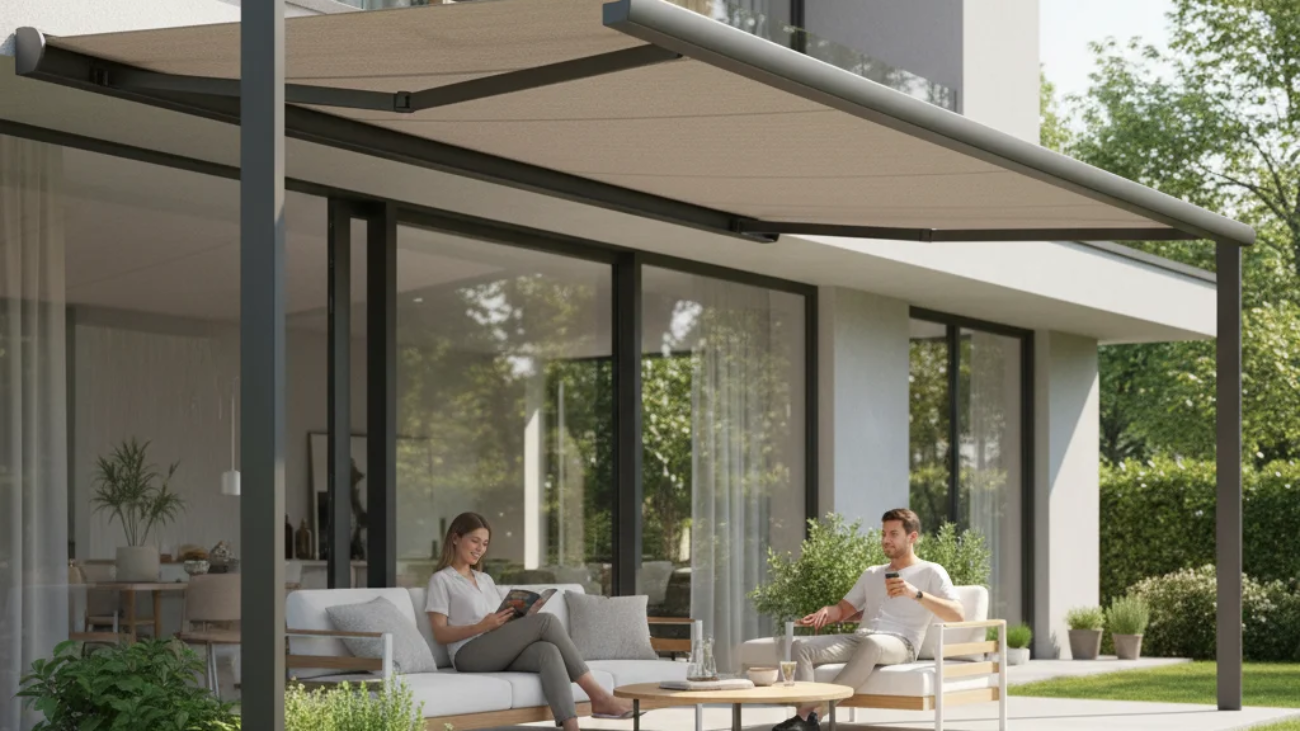
Introduction to Markiseteppe
Markiseteppe may sound like a niche design term, but it’s a simple concept with a big impact on outdoor comfort. It refers to a specially designed mat or carpet used beneath awnings, pergolas, or camping tents. This practical yet stylish accessory keeps your outdoor space tidy, pleasant, and visually appealing. Whether you’re setting it up on a balcony, at a campsite, or on a home patio, the right markiseteppe enhances comfort, prevents dirt buildup, and adds an elegant finish to your setting.
What Exactly Is a Markiseteppe?
The term combines two Norwegian words: “markise” (awning) and “teppe” (carpet). Together, they describe a durable outdoor mat made from weather-resistant materials. Unlike indoor rugs, which are designed for softness and aesthetics, a markiseteppe is engineered for performance — it’s breathable, quick-drying, and easy to clean. It provides a smooth surface for sitting, walking, or dining outdoors while resisting moisture, sunlight, and heavy foot traffic.
Why It’s Better Than an Ordinary Outdoor Rug
Most outdoor rugs are primarily decorative, focusing on color and pattern. A markiseteppe balances appearance with function. It’s designed to handle variable weather, reduce trapped moisture, and prevent mold or grass damage underneath. Many are made from woven polypropylene, which allows air to circulate while keeping the ground beneath ventilated. The result is a cleaner, cooler, and more hygienic surface compared to thick pile rugs or plastic mats.
Popular Uses for Markiseteppe
Camping and Caravans
Campers often use a markiseteppe under their awning or fortelt to keep dust and grit outside the living area. It creates a homelike space even on rough terrain.
Balconies and Apartments
Apartment dwellers use it to soften cold concrete balconies, adding both comfort and a touch of design flair without permanent flooring changes.
Home Patios and Pergolas
Homeowners use it beneath outdoor furniture or pergolas to define zones and reduce dirt carried inside. It’s ideal for barefoot relaxation and entertaining guests outdoors.
Choosing the Right Markiseteppe
Measuring the Space
Before buying, measure your intended area precisely. For camping setups, measure from the caravan wall to the awning’s outer edge and across the width. Always leave a small clearance of about one hand’s width on each side so the mat doesn’t curl or rub against the wall. For balconies or decks, leaving a visible border adds a professional, intentional look.
Selecting the Material
Most markisetepper are made from woven polypropylene — a material that’s durable, quick-drying, and easy to fold. For frequent campers, mid-weight weaves offer the best balance between portability and sturdiness. Home patios may benefit from denser, UV-resistant fabrics for extra comfort and longevity. Breathable options are best if the mat rests on grass to avoid suffocating the lawn.
Choosing Colors and Patterns
Pick mid-tone neutrals like gray or muted stripes that hide dust and pollen. Light colors brighten shaded areas, while darker tones stay cooler under sunlight. Small geometric or linear patterns enhance visual texture without clashing with furniture.
Recommended Sizes and Applications
| Space Type | Common Size (m) | Material | Comfort Level | Practical Note |
| Small Balcony | 1.2×2 to 1.5×2.5 | Polypropylene | Smooth & barefoot-friendly | Leaves space for rinsing |
| Caravan Setup | 2.5×4 to 3×5 | Breathable PP | Firm yet cushioned | Folds compactly for storage |
| Patio or Pergola | 3×4 to 4×5 | UV-resistant PP | Extra cushioned | Ideal for hosting & dining |
| Family Deck | 2×3 to 3×3 | PP with bound edges | Soft underfoot | Easy post-meal cleaning |
| Campsite Stay | 3×6 or custom | Breathable PP | Stable under furniture | Great for long-term setups |
How to Install Your Markiseteppe
Preparing the Ground
Start with a clean surface — sweep or rinse to remove pebbles, leaves, or dirt. On grassy terrain, mow the area and clear twigs to prevent uneven surfaces.
Securing the Mat
Lay the mat flat with its texture or label side up. Use flat edge weights or low-profile stakes on corners, ensuring they’re outside walking paths. Avoid tall tent pegs that can create tripping hazards.
Adjusting for Doors and Furniture
Check that doors can open fully without catching the mat. Place heavy furniture legs on flat, even sections to avoid pressure marks. On soft ground, add coasters beneath chair legs for extra stability.
Cleaning and Maintenance
Quick Cleaning
Most daily dirt can be removed in minutes. Simply shake, sweep, or rinse with water. Polypropylene sheds sand and mud easily and dries quickly, making it perfect for spontaneous outdoor use.
Deep Cleaning and Stain Removal
For spills, use mild soap and warm water. For mildew or stubborn dirt, a diluted vinegar solution works effectively. Always rinse thoroughly and allow the mat to dry before folding.
Proper Storage
Dry the mat completely to prevent odor or mold. Fold along existing lines or roll it loosely. Store it in a breathable carry bag away from direct sunlight to preserve its color.
Styling Ideas for a Cohesive Look
Layout and Alignment
Align the long edge of your mat with the main architectural line — for example, the awning’s beam or balcony railing. Centering your furniture ensures balance and ease of movement.
Color Coordination
Blend your mat with outdoor surroundings. A striped gray mat with wooden chairs and sandy-tone cushions feels coastal and relaxed. Meanwhile, a darker geometric pattern pairs well with modern black metal frames and green potted plants.
Creating Functional Zones
Large patios benefit from multiple smaller mats instead of one oversized one. This division visually separates dining, lounging, and cooking areas, making the space look intentional and organized.
Budgeting Wisely
Evaluating Cost per Season
Instead of focusing solely on price, consider longevity. A moderately priced mat that lasts five summers offers better value than replacing a cheap one yearly. Frequent travelers often find that the comfort and cleanliness payoff is immediate.
Identifying Quality Indicators
Check the weave on both sides. High-quality markisetepper have even stitching, reinforced hems, and tight patterns that resist fraying. Labels that mention “breathable” or “air-permeable” construction usually indicate premium performance.
Practical Benefits Beyond Comfort
A markiseteppe isn’t just about looks or luxury — it’s also a hygiene and safety investment. It reduces mud tracking indoors, keeps small objects from being lost in grass, and prevents slips on damp tiles. It also provides insulation against cold surfaces, making morning coffee or evening relaxation far more enjoyable.
Final Thoughts
A markiseteppe transforms any outdoor area into a cleaner, more inviting, and stylish extension of your home or caravan. By choosing the right size, material, and design, you create a space that feels intentional and comfortable all season long. With simple care, it will serve you for years — ensuring every outdoor moment, whether a camping trip or a backyard dinner, feels effortlessly elegant.
In short, investing in a well-chosen markiseteppe means investing in ease, comfort, and timeless outdoor appeal.