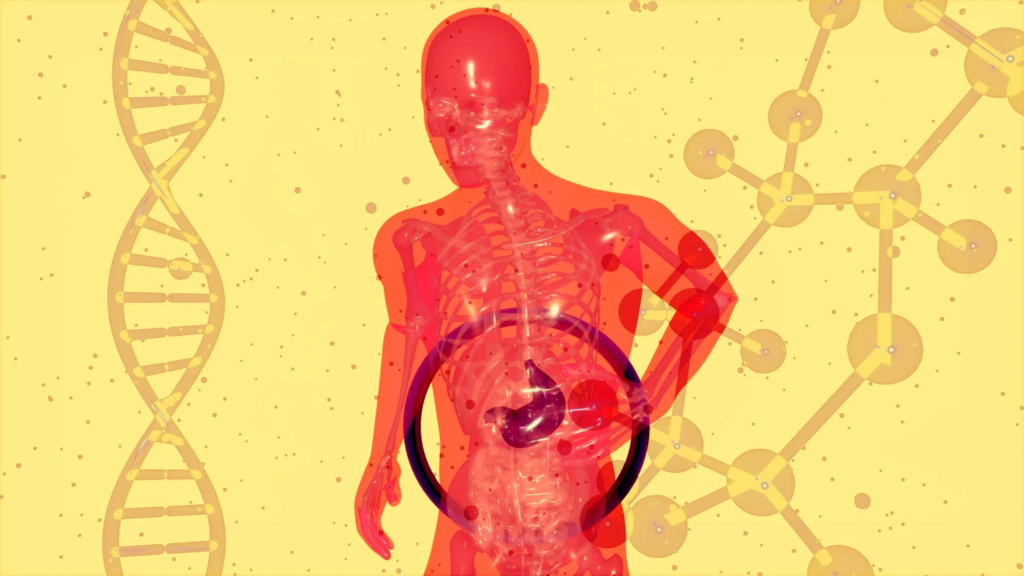
Digestive discomfort is increasingly common in modern life. Bloating, constipation, reflux, and irritable bowel syndrome (IBS) can significantly affect daily comfort and long-term well-being. While dietary adjustments and medications are often helpful, they may not address underlying structural or nervous system imbalances contributing to symptoms.
An emerging complementary approach is osteopathy manual therapy, a hands-on treatment that focuses on restoring balance within the body to support overall function, including digestive health.
Understanding Manual Osteopathy
Manual osteopathy is a non-invasive therapy grounded in the principle that the body’s structure and function are closely connected. When joints, muscles, fascia, and internal tissues move freely, circulation and nerve communication can operate more efficiently.
A trained osteopath uses gentle techniques to assess mobility, alignment, and tension patterns throughout the body. Treatment may involve soft tissue release, joint mobilization, visceral techniques, and cranial work. Unlike symptom-focused interventions, osteopathy considers how different systems, musculoskeletal, nervous, and circulatory, interact as a whole.
The Gut–Body Connection
The digestive system does not function in isolation. It is influenced by posture, breathing mechanics, spinal alignment, and stress levels. The diaphragm, rib cage, pelvis, and abdominal wall all support healthy organ movement and nerve supply.
When these areas are restricted due to prolonged sitting, past injuries, surgical scar tissue, or chronic stress, digestive organs may lose some of their natural mobility. This can contribute to sluggish digestion, cramping, reflux, or irregular bowel movements.
By addressing these mechanical and neurological influences, osteopathic manual therapy aims to create a more supportive environment for gut function.
How Manual Osteopathy May Support Digestive Health
1. Visceral Techniques
Gentle manual techniques can improve the mobility of the stomach and intestines. By reducing tension around these organs, practitioners may help ease bloating, constipation, and abdominal discomfort.
2. Diaphragm Mobility
The diaphragm plays a critical role in digestion. Each breath creates subtle movement that massages the abdominal organs. Restrictions from stress or poor posture can limit this motion. Treatment focused on restoring diaphragm mobility may relieve pressure contributing to reflux or heartburn.
3. Nervous System Regulation
Digestive processes are largely controlled by the parasympathetic (“rest and digest”) nervous system. Stress can disrupt this balance. Techniques used by a cranial osteopath may promote relaxation and support improved autonomic regulation, which can benefit stress-related digestive symptoms.
4. Musculoskeletal Balance
Spinal, rib, or pelvic tension may influence nerve pathways connected to the digestive tract. By improving alignment and soft tissue mobility, sometimes overlapping with approaches used by a therapeutic massage therapist, osteopathic treatment can support optimal communication between the brain and gut.
What to Expect During Treatment
A session typically begins with a comprehensive assessment of posture, breathing patterns, spinal mobility, and abdominal tension. Treatment is gentle and individualized. Many people describe sessions as relaxing and report gradual improvements in digestive comfort over several visits.
As with any healthcare approach, outcomes vary. Manual osteopathy is generally considered safe when delivered by a qualified practitioner, but individuals with complex medical conditions should consult their primary healthcare provider before beginning treatment.
Evidence and Ongoing Research
Research into osteopathic manipulative treatment (OMT) suggests potential benefits for conditions such as IBS, reflux, postoperative ileus, and functional gastrointestinal disorders. Some clinical studies report improvements in symptom severity and quality of life, though findings are mixed, and further high-quality research is needed.
This evolving evidence highlights the importance of integrating manual therapies thoughtfully within a broader healthcare plan.
A Whole-Body Perspective on Gut Health
Digestive health is multifactorial. Structural alignment, breathing patterns, stress management, nutrition, and lifestyle all play roles. Osteopathy manual therapy offers a whole-body perspective that may complement conventional care.
For individuals seeking a non-invasive and holistic approach to digestive wellness, consulting a qualified osteopath can help determine whether this treatment is suitable. Clinics such as Nourish Osteo and Wellness provide individualized osteopathy manual therapy aimed at supporting digestive health and overall well-being. Book a consultation today to start your journey toward better digestive health.