In today’s food manufacturing environment, consistency, efficiency, and product quality are essential for staying competitive. One technology that has transformed large-scale cooking processes is sous vide equipment, which enables precise, controlled, and repeatable cooking results across a wide range of proteins and prepared meals.
This article explores how sous vide equipment is used in industrial food production, its benefits, applications, and why it has become a trusted method for manufacturers, catering services, and institutional kitchens.
What is sous vide equipment?
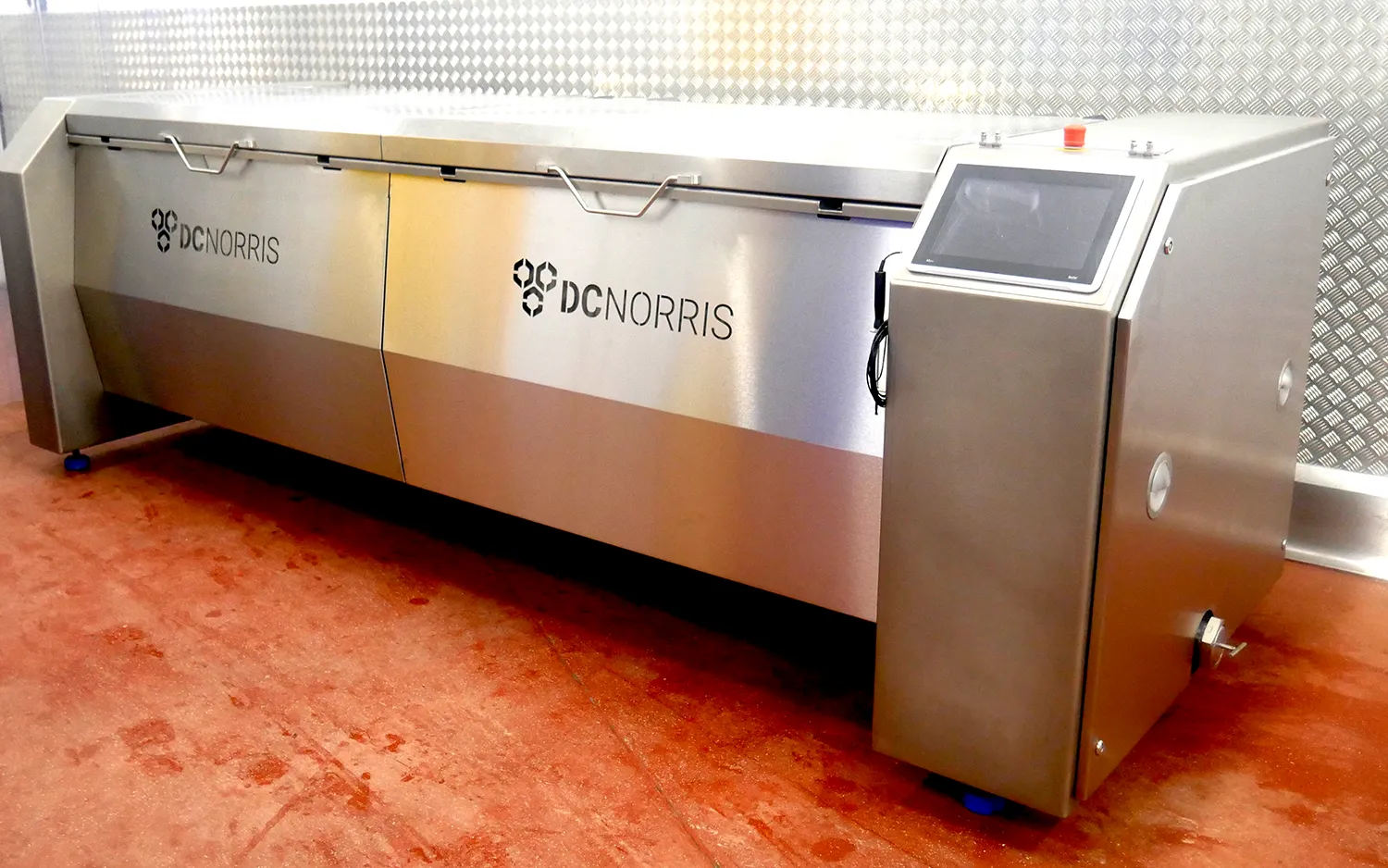
sous vide equipment refers to specialised cooking systems that use vacuum-sealed packaging combined with temperature-controlled water baths to cook food slowly and evenly. The term “sous vide” comes from French and means “under vacuum,” describing the core process behind this cooking method.
Unlike conventional cooking methods that rely on high heat and variable conditions, sous vide equipment maintains precise temperatures over extended periods. This ensures food is cooked evenly from edge to centre without overcooking or moisture loss.
The result is predictable quality, improved texture, and enhanced flavour retention.
How sous vide equipment works in industrial settings
In commercial and industrial environments, sous vide equipment operates through a controlled system of heating, circulation, and timing:
- Food is vacuum-sealed in heat-stable pouches
- The sealed products are submerged in a water bath
- sous vide equipment maintains a precise, constant temperature
- Food is cooked for a controlled duration depending on product type
- Finished products are rapidly chilled or held for service
This controlled environment ensures every batch meets the same quality standard, regardless of production volume.
Key benefits of sous vide equipment in food manufacturing
1. Consistent product quality
One of the biggest advantages of sous vide equipment is repeatability. Because time and temperature are precisely controlled, manufacturers can replicate results across thousands of portions without variation.
This consistency is especially important in institutional catering, retail-ready meals, and large-scale food service operations.
2. Enhanced flavour and texture
Slow cooking at controlled temperatures allows natural juices and marinades to remain sealed within the packaging. As a result, sous vide equipment enhances:
- Meat tenderness
- Moisture retention
- Natural flavour intensity
- Uniform texture throughout the product
Unlike traditional cooking methods, there is minimal shrinkage or dryness.
3. Improved nutritional retention
Because sous vide equipment operates at lower temperatures than conventional ovens or boiling methods, more vitamins and nutrients are preserved. This makes it particularly valuable for health-focused meal production such as hospital, school, and care home catering.
4. Operational efficiency
Modern food production relies heavily on efficiency. sous vide equipment enables:
- Overnight unattended cooking cycles
- Reduced labour requirements
- Batch processing of large volumes
- Lower energy waste compared to high-heat cooking systems
This allows manufacturers to streamline workflows while maintaining quality standards.
5. Extended shelf life
Vacuum-sealed cooking combined with precise temperature control helps reduce microbial risk and improve product stability. As a result, sous vide equipment contributes to extended refrigerated shelf life, making logistics and distribution more efficient.
Applications of sous vide equipment in the food industry
The versatility of sous vide equipment makes it suitable for a wide range of applications across global food production sectors.
Meat production
Beef, pork, lamb, and poultry benefit significantly from sous vide processing. sous vide equipment ensures uniform doneness while maintaining juiciness and tenderness, even in large batch production.
Fish and seafood
Delicate proteins such as salmon, cod, and shellfish require precise temperature control. sous vide equipment prevents overcooking and preserves natural texture and flavour.
Ready meals
Prepared meal manufacturers use sous vide equipment to create consistent, high-quality dishes that can be chilled, stored, and reheated without loss of integrity.
Institutional catering
Hospitals, schools, and care facilities rely on sous vide equipment for safe, repeatable meal production at scale. Its ability to maintain strict temperature control supports food safety compliance and dietary consistency.
Flexibility in recipe development
Another advantage of sous vide equipment is its flexibility in culinary applications. Food manufacturers can cook products:
- In their natural juices
- In flavoured marinades
- With sauces infused during cooking
This opens up opportunities for product innovation and recipe diversification without changing core production systems.
Industrial scalability of sous vide equipment
Modern sous vide equipment is designed to scale from pilot production to full industrial output. Systems are available in various capacities, allowing manufacturers to:
- Test new products in small batches
- Scale up to high-volume production
- Maintain consistent results across all production sizes
This scalability is essential for businesses expanding into new markets or increasing output.
Safety and process control
Food safety is a critical concern in industrial kitchens. sous vide equipment supports safe production by maintaining strict thermal controls that reduce the risk of bacterial growth when used correctly within HACCP-based systems.
In addition, vacuum sealing reduces contamination risks and improves traceability across production batches.
Innovation in modern food processing
As the food industry evolves, sous vide equipment continues to play a key role in innovation. It allows manufacturers to:
- Develop premium-quality ready meals
- Improve texture in plant-based alternatives
- Standardise global production processes
- Reduce waste through precise cooking control
This makes it a cornerstone technology in modern industrial kitchens.
Conclusion
The adoption of sous vide equipment has transformed large-scale food production by delivering unmatched consistency, efficiency, and quality. From meat and seafood to ready meals and institutional catering, it provides a reliable method for producing high-quality food at scale.
As demand for consistent, safe, and flavour-rich products continues to grow, sous vide equipment will remain an essential part of modern food manufacturing systems.