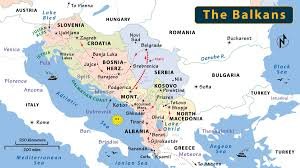
The Western Balkans have quietly become one of the most rewarding regions for U.S. travelers looking to escape the crowds of Western Europe. Two countries in particular—Montenegro and Albania—offer a rare combination of dramatic Adriatic coastline, rugged mountains, ancient towns, and prices that feel almost unreal compared to Italy or Croatia next door. The best part? They sit right next to each other, which means you can easily combine both into a single unforgettable trip.
If you’re an American planning your first Balkans adventure, the route from Montenegro to Albania is one of the most scenic and accessible border crossings in the entire region. In this guide, Onme Travel will walk you through everything you need to know before you go—from transportation options and border logistics to the must-see stops along the way.
Why Combine Montenegro and Albania in One Trip
For travelers flying in from the United States, getting to the Balkans is already a significant journey, so it makes sense to see as much as possible once you arrive. Montenegro and Albania pair beautifully for several reasons.
First, they’re geographically close. The most popular tourist hubs—Kotor and Budva in Montenegro, and Shkodër or Tirana in Albania—are only a few hours apart by road. Second, the two countries complement each other in character. Montenegro is polished and dramatic, with fjord-like bays and walled medieval towns, while Albania feels rawer, friendlier, and more adventurous, with empty beaches and mountain villages that few foreigners have discovered.
Finally, both countries are extremely budget-friendly. For Americans used to European prices, a meal, a hotel room, or a guided tour in Albania can cost a fraction of what you’d pay in more established destinations. Combining the two gives you variety without breaking the bank.
Entry Requirements for U.S. Citizens
One of the biggest advantages for American travelers is how simple the entry process is. U.S. passport holders can enter both Montenegro and Albania visa-free for tourism, typically for stays of up to 90 days. You’ll just need a passport valid for the duration of your stay—though it’s always smart to have at least six months of validity remaining as a buffer.
Neither country is part of the Schengen Area, so time spent here does not count against your Schengen allowance. That makes them ideal additions to a longer European itinerary. As always, check the latest entry requirements with the U.S. Department of State before you travel, since rules can change.
Transportation Options from Montenegro to Albania
There are several ways to make the journey, and the right choice depends on your budget, your comfort level with driving abroad, and how much flexibility you want. For a full breakdown of routes, timing, and insider tips, this detailed Montenegro to Albania travel guide is an excellent resource that covers each option in depth.
Renting a Car
Driving is hands down the most flexible and rewarding way to travel between the two countries. The roads are generally in good condition near the coast, and having your own vehicle lets you stop at viewpoints, beaches, and small towns that buses simply skip.
If you rent a car in Montenegro and plan to drive it into Albania, you must inform the rental company in advance. Many require a cross-border permit and additional insurance (often called a “green card”). Confirm this when booking to avoid problems at the border. Americans should also note that driving styles in the Balkans can be more aggressive than at home, so stay alert and avoid driving at night when possible.
Buses and Shared Transfers
Public buses connect major cities like Kotor, Budva, and Podgorica with Albanian destinations such as Shkodër and Tirana. Buses are inexpensive and reliable, though schedules can be limited and may not run daily in the off-season. Booking through the bus station or a local travel agency a day in advance is recommended during peak summer months.
Shared shuttle transfers are another popular option. These minivans pick you up from your accommodation and drop you across the border, offering a comfortable middle ground between the freedom of a car and the low cost of a bus.
Private Transfers and Taxis
For travelers who prioritize comfort and convenience, a private transfer is the easiest option. A driver handles all the logistics, including the border crossing, and you can often arrange stops along the way. It costs more than a bus, but split among a group of friends or family, the price becomes very reasonable—and it’s still far cheaper than equivalent services in Western Europe.
Crossing the Border: What to Expect
The main border crossings between Montenegro and Albania are well-established and used to tourist traffic. The most common route runs through the area near Lake Skadar, the largest lake in Southern Europe, which straddles both countries.
Crossings are usually straightforward. Have your passport ready, and if you’re driving, keep your vehicle documents and insurance paperwork accessible. Wait times are typically short outside of peak summer weekends, when lines can build up in the afternoon. To minimize delays, try to cross in the morning.
Keep some euros and Albanian lek on hand, since not every roadside stop or small vendor near the border accepts cards. ATMs are available in larger towns on both sides.
Top Stops Along the Way
The journey itself is part of the adventure. Here are a few highlights worth planning your route around.
Lake Skadar is a stunning national park shared by both nations. Boat tours, birdwatching, and lakeside wineries make it a worthwhile stop on either side of the border.
Shkodër, Albania’s gateway city, is rich in history and home to the dramatic Rozafa Castle, which offers sweeping views over the surrounding plains and lake. It’s a fantastic first taste of Albanian culture and cuisine.
The Albanian Riviera, a bit farther south, rewards travelers willing to keep driving with some of the most beautiful and uncrowded beaches in the Mediterranean. Towns like Ksamil and Himarë feel like the Greek islands did decades ago, before mass tourism arrived.
Best Time to Make the Trip
The ideal window for this journey is late spring through early fall. May, June, and September offer warm weather, smaller crowds, and lower prices than the July–August peak. Summer is gorgeous but busy along the coast, and border crossings take longer. Winter travel is possible but limited, as many coastal businesses close and bus schedules thin out.
Practical Tips for American Travelers
A few final pointers will make your trip smoother. Download offline maps before you go, since cell coverage can be spotty in rural and mountainous areas. Notify your bank of your travel dates to avoid having your cards frozen. English is widely spoken among younger people and in tourist areas, but learning a few basic phrases in the local languages goes a long way with locals. And finally, build in extra time—the Balkans run on a relaxed schedule, and rushing defeats the purpose of visiting such a laid-back, beautiful corner of the world.
Final Thoughts
Traveling from Montenegro to Albania is one of the great underrated journeys in Europe. In just a few hours, you can go from the polished elegance of the Bay of Kotor to the wild, welcoming charm of the Albanian coast and countryside. For American travelers craving adventure, value, and scenery that rivals anywhere in the Mediterranean, this route delivers on every front.
Whether you choose to drive, take a bus, or book a private transfer, a little planning goes a long way. Start mapping out your itinerary, pack your sense of adventure, and get ready to discover two of Europe’s most captivating hidden gems.