Introduction to Poultry Farming as a Business
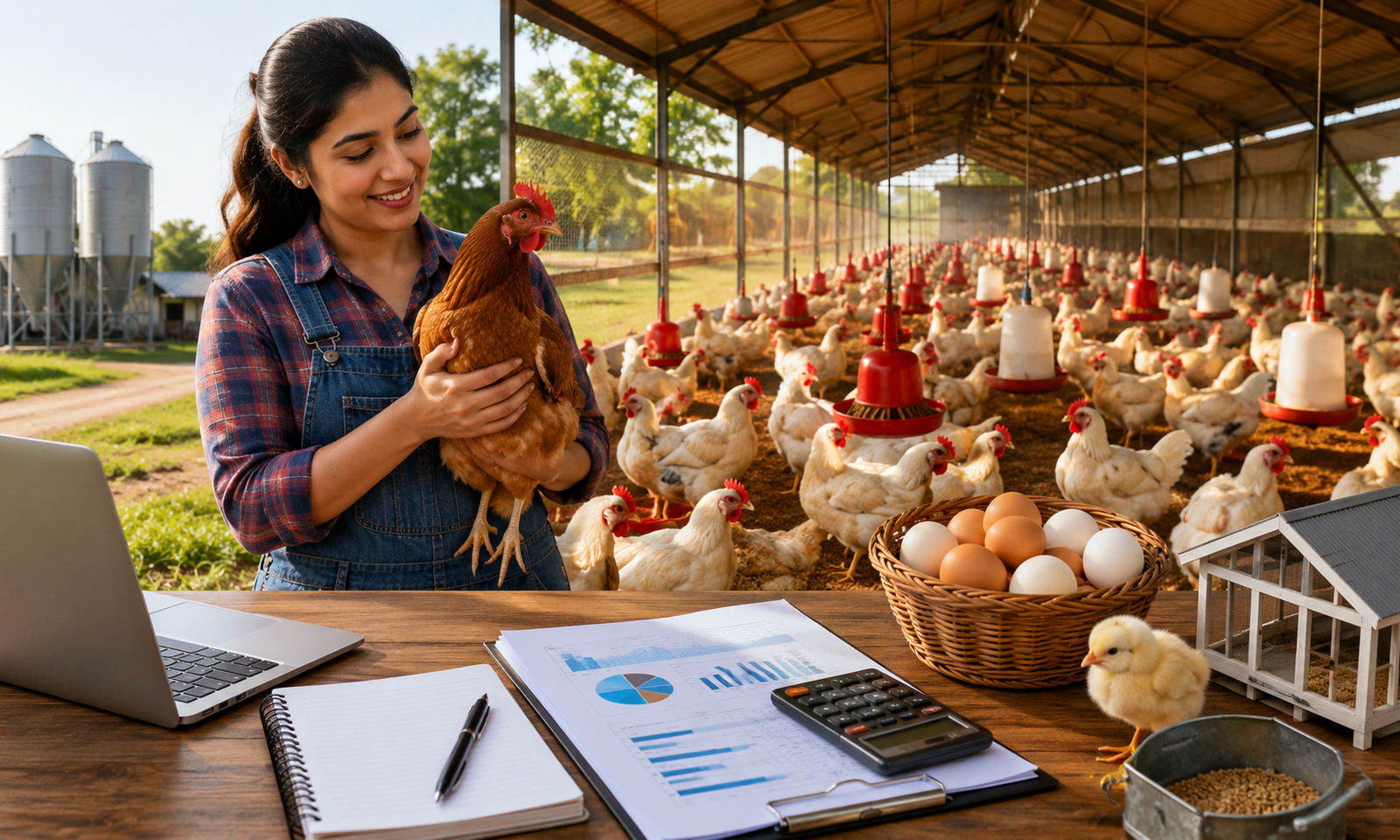
Poultry farming is a rapidly expanding industry around the world due to the relatively low entry-point, high demand for poultry products, and return on investment (ROI) is quite rapid compared to many other agricultural enterprises. The keeping of various fowl, including chickens, turkeys, ducks and quails, for their meat and eggs. Before putting money or time into their chosen investment, novices need to know the structure, potential dangers, and management needs. Poultry farming industry is very dynamic and needs good planning, particularly with regard to housing and feeding, disease management and market access. When new farmers invest without knowing what they are up against, their worry is a high death and low production rate. But with the proper management, poultry production is a business that can be an agribusiness which is sustained and profitable that would fit not only local supply of poultry but also other long term considerations.
Basics of poultry farming business.
When planning to establish a poultry farm, there is a need to know how the business works, and what the qualities of a successful poultry business are. Poultry production involves more than just keeping birds, it is a system. All of these elements have to perform well and work together as a group to be profitable. Newly introduced should also determine whether they would like to work with broilers (meat production) or layers (egg laying) or on both systems. There will be a difference in the demand based on the place and customer reasons hence the need to undertake research in the market. Furthermore, it is important to know the extent of production cycles to help the farmers know when cash flow could be needed and avoiding cash flow stresses. This requires dedication and discipline as a poultry farm will need attention daily. Farmers with a business mentality, and not just a hobby, are more likely to be successful in raising poultry because they pay particular attention to the efficiency, record-keeping and striving for production improvement that are part of their activities.
A step-by-step approach to establish a poultry farm
Considering the conditions that need to be met for establishing a poultry farm, the initial step is choosing an appropriate site for the farm which must be kept clean and ventilated and should be away from residential areas where presence of disease causing pollutants are minimized. Road access, water access (for drinking, agriculture, etc.), and markets are also critical. Once the site has been picked, the next critical step is to get the startup money – this should be saved for the construction, the chicks, feed, equipment and labour. The joint hurder to beginners is that they work with a small size to reduce risk of loss and escalate in size in accordance with their experience and profit. You need heaters, drinkers, feeders, cages (if necessary) and right bedding products. The structure and arrangement of the farms also are of importance as correct layout helps to minimize overcrowding and ease of movement for farm personnel. Biosecurity precautions, including disinfectant points and fencing, should be considered when planning to prevent disease outbreaks. Good results will not follow even in the best breed and feeding practice if there is not a well laid out arrangement; therefore, this is one of the most vital steps in the whole poultry farming procedure.
Choosing the Right Poultry Breed
Choosing an appropriate breed is one of the key decisions that a newcomer must make as it will have a significant impact on growth rate, productivity and profitability. Having rapid growing/specked broiler chickens that are ready to market 6-8 weeks from birth. Common broiler breeds are Cobb 500 and Ross 308 which are popular due to their excellent feed to gain efficiency. Egg production breeds are suitable for egg production and may perform for 72 weeks or more when under good management. Farmers should look for such factors as climate adaptability, disease resistance and feed requirements in selecting a breed. Local breeds may be better able to resist diseases but grow somewhat slower, while hybrid breeds tend to be greater producers, but will require tight control. Beginners should examine local agricultural professionals and farmers with their own experience to select breeds which can do well in their climate and for their business objectives.
Poultry Housing Systems and Farm Infrastructure.
Birds need shelter from bad weather, predators, and disease, all of which can be prevented by adequate housing. In general, there are three types of poultry housing systems: free-range, deep litter, and cage. This is known as the ‘deep litter system’ and is the most popular for beginners as it is cost-effective and birds can be let out in the house. The cage system is the more general and is used in commercial egg production because it is efficient in space utilization and cleanliness. However, in all systems, ventilation is important to lower the heat stress and the ammonia. The housing should also be constructed to facilitate cleaning and disposing of waste material in the proper way to maintain hygiene. Optimum growth and productive performance will also require careful attention to lighting, temperature control and spacing per bird. The poultry house will also minimize poultry deaths and increase feed efficiency, which can significantly contribute to the success of the poultry farm.
Good feeding habits for maximum productivity.
One of the greatest common expenses in rearing poultry is feed and it has a very important effect on growth rate and production of eggs. The essential and required nutrients for healthy development are carbohydrates, protein, vitamins and minerals. Commercial feeds are generally designed into starter, grower and finisher feeds for broilers with special layer ration designed for egg production. There will always be a supply of clean water, if not, you may find yourself encountering dehydration, which quickly can cause stress and performance loss. Additionally, do not feed grain mixes in large quantities to fatten the animals a lot too fast; this will throw off their proper digestion and retard growth. Where a commercial feed is used, supplementation with locally available materials such as maize, soya bean meal and fish meal can lower feed costs, but this should be done with great care to ensure a nutritional balance. Keeping an eye on feed consumption enables farmers to identify potential health problems early and optimize their feeding practices for profit.
Vaccination and Disease Management
One of the most important areas of poultry farming is disease prevention and avoiding outbreaks can result in substantial losses within a short time frame. Diseases encountered in common poultry are Newcastle disease, coccidiosis and avian influenza. Vaccination programs must be accurately used from the first day the chick is born to establish immunity against these diseases. In addition to cleanliness and biosecurity, equipment disinfection, prohibiting access to the farm, and swift isolation of sick birds is essential. Farmers need to also keep a proper ventilation of their farm to decrease respiratory infections and the avoidance of overstocking to prevent the spread of diseases. Regular health assessment can detect early signs and symptoms of disease and prevent spread of disease throughout the flock. Extensive use of the veterinary services and/or animal health officer is strongly advised particularly for the novice, who may not be at all used to the symptoms and treatments of disease. Good disease development management helps to reduce mortality, enhance productivity, and therefore improve the profitability of the farm.
Marketing and selling poultry products successfully.
The last and most critical process in the poultry scenario leading to profitability is Marketing. Farmers must seek out certain sources of purchase that can be trusted including local markets, restaurants, supermarkets, hotels and individual consumers. Maintaining a long-term relationship with the buyer guarantees sales and helps prevent liquidity problem returns. Packaging and presentation are also important to a customer’s attraction, particularly eggs and processed chicken products. There is an opportunity for farmers to sell their products to consumers directly rather than intermediaries to maximize their earnings. Local advertising and social media can also be used effectively to reach a broader target audience. Marketing the poultry may be done at the right time, particularly the sales of broilers, as they are best marketed at optimum weight for maximum returns. Good record-keeping is important for farmers to know their production expenses and charge competitive prices. With a good marketing plan, hard work in the production departments can lead to profits.
Conclusion.
Many new people to poultry production do not succeed simply because of faulty practices. Many people fail because they do not start with sufficient training or information, resulting in bad management choices. Other causes include overcrowding birds, missed vaccination maintenance and feeds with low quality, as well as inadequate hygiene. Financial mismanagement is also a big problem such as when farmers don’t estimate the operating costs accurately. Successful poultry farmers should be disciplined, patient and knowledgeable. Small farmers must now get on board one step at a time, getting and staying used to each step, and adding more as they become more comfortable and better capitalized to do so. Attention to detail in documentation of expense, deaths and output levels is essential to decision-making. When properly managed, good housing, nutrition, disease control and marketing strategies work together in a well-balanced systems approach to make poultry farming a very profitable and sustainable business operation.

