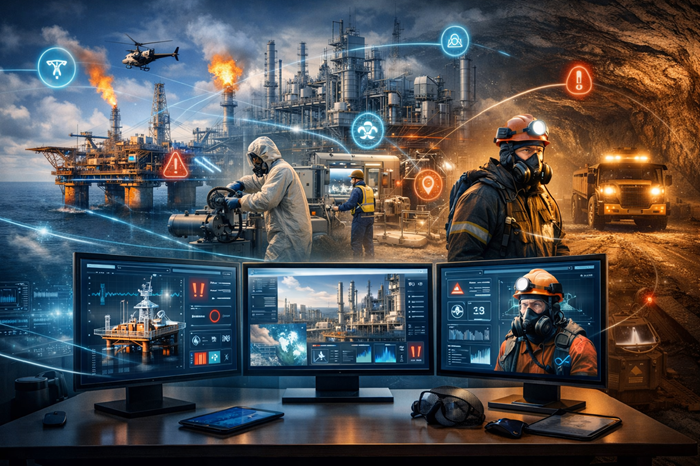
High‑risk environments such as manufacturing plants, energy facilities, construction sites, and chemical processing operations, demand exceptional attention to safety. Even minor oversights can lead to significant hazards, from equipment failures to environmental incidents. As these industries evolve, software has become a critical tool for improving safety, reducing human error, and ensuring compliance with strict regulations. By integrating advanced digital solutions into daily operations, organizations can better protect their workforce, assets, and surrounding communities.
Improving Real‑Time Monitoring and Hazard Detection
One of the most impactful ways software enhances safety is through real‑time monitoring. High‑risk environments often involve complex machinery, volatile materials, or rapidly changing conditions. Software systems can continuously track temperature, pressure, vibration, and other critical indicators, alerting teams to abnormalities before they escalate. For example, industrial facilities often rely on SCADA software to monitor equipment performance and environmental conditions across large sites. These systems provide instant visibility into potential hazards, allowing operators to respond quickly and prevent accidents. Real‑time monitoring reduces reliance on manual checks and ensures that warning signs are never overlooked.
Enhancing Communication and Coordination
Clear communication is essential in environments where safety risks are high. Software platforms streamline communication between teams, ensuring that important information reaches the right people at the right time. Digital communication tools allow supervisors to send alerts, share updates, and coordinate emergency responses more efficiently than traditional methods. In fast‑paced settings, this can make the difference between a controlled situation and a serious incident. Additionally, centralized communication platforms help eliminate confusion, reduce delays, and ensure that everyone remains aligned on safety protocols and operational changes.
Supporting Predictive Maintenance and Equipment Reliability
Equipment failure is a major source of risk in high‑hazard industries. Software solutions that support predictive maintenance help organizations identify potential issues before they lead to breakdowns or accidents. By analyzing data from sensors and historical performance records, predictive maintenance tools can forecast when equipment is likely to fail or require servicing. This proactive approach reduces downtime, prevents dangerous malfunctions, and extends the lifespan of critical machinery. When equipment operates reliably, the overall safety of the environment improves, and workers can perform their tasks with greater confidence.
Strengthening Compliance and Documentation Processes
Regulatory compliance is a cornerstone of safety in high‑risk industries. Software simplifies compliance by automating documentation, tracking inspections, and ensuring that safety protocols are consistently followed. Digital systems can store training records, incident reports, and maintenance logs in one accessible location, making it easier for organizations to demonstrate compliance during audits. Automated reminders help ensure that inspections and certifications are completed on time. By reducing the administrative burden on staff, software allows teams to focus more on active safety measures rather than paperwork.
Enhancing Training and Skill Development
Effective training is essential for maintaining safety in environments where risks are high. Software‑based training tools, including simulations and interactive modules, help workers understand complex procedures and practice responding to hazardous scenarios. Virtual training environments allow employees to gain experience without being exposed to real‑world dangers. These tools also make it easier to track progress, identify skill gaps, and ensure that all team members remain up to date on safety protocols. When workers are well‑trained and confident in their abilities, the likelihood of accidents decreases significantly.
Conclusion
Software has become an indispensable asset in high‑risk environments, offering powerful tools that enhance safety, improve communication, and support regulatory compliance. By enabling real‑time monitoring, predictive maintenance, streamlined documentation, and advanced training, digital solutions help organizations reduce risk and protect their workforce. As technology continues to evolve, the role of software in safety management will only grow more important. Businesses that embrace these tools not only create safer workplaces but also strengthen their operational resilience and long‑term success.