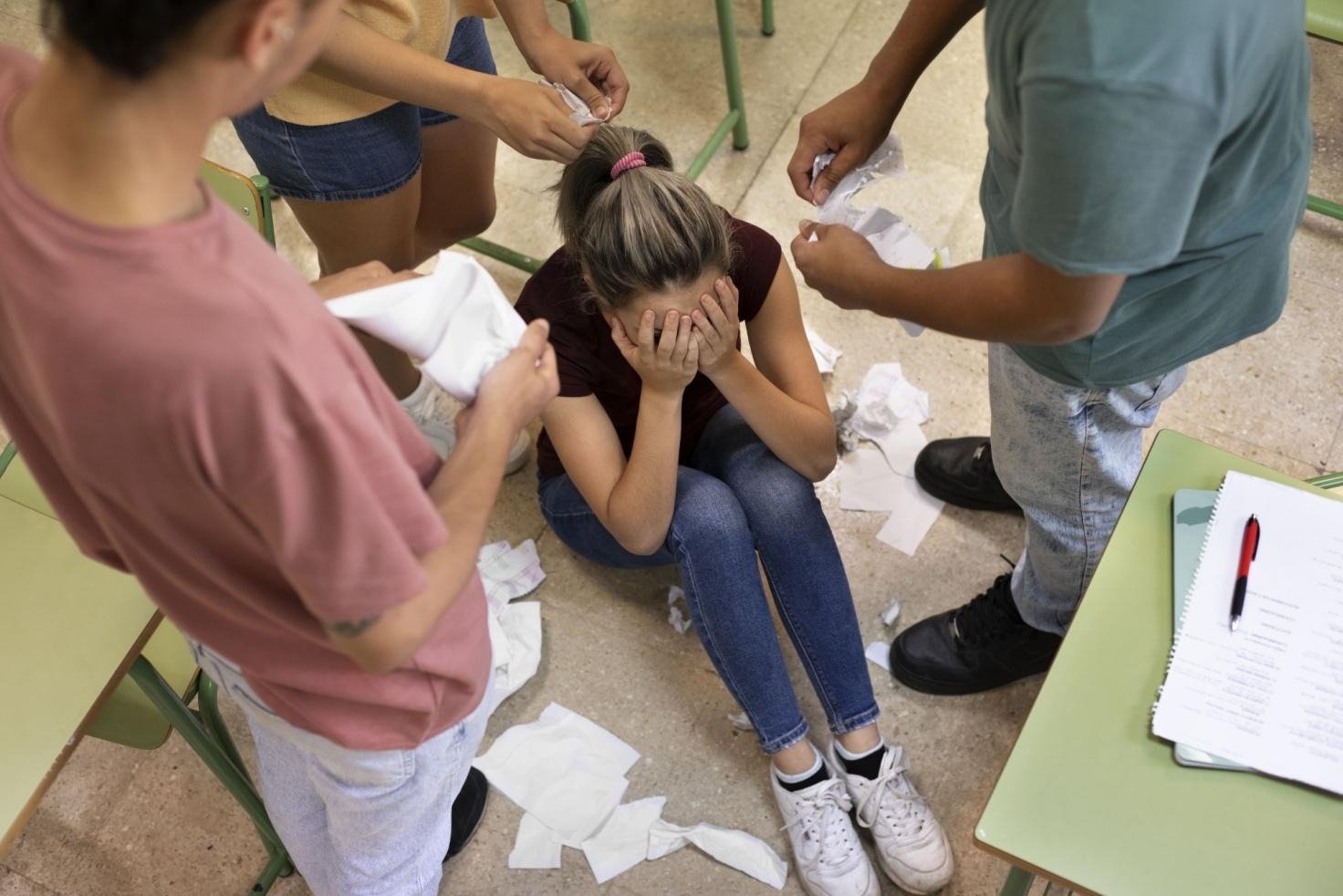
Creating a safe and supportive learning environment is a shared responsibility. Although schools contribute to the development of the behaviour of students significantly, the role of the parents is also critical in teaching the values and attitudes of the children at home. The combination of the two can be effective in preventing bullies in schools. Partnerships also enhance programs, such as upstander training for students, where children are encouraged to speak up on behalf of others and foster respect.
Building a Strong Foundation of Communication
The initial step in preventing bullying is through effective communication between parents and schools. Open exchange of information among the teachers and parents allows them to be able to detect issues in time and manage them before they become too big.
The frequent meetings, parent-teacher conferences, and online communication tools will keep everyone updated. This continuous communication assists in the prevention of bullies at school because both parties would know how the students behave, how they feel, and whether they are in conflict.
Establishing Consistent Values at Home and School
Children are doing well when they get uniform messages on how to behave and what is expected from them. Respect, empathy, and inclusion are often promoted in schools, but these values should be supported at home as well.
Parents are important in educating about kindness and responsibility, and schools offer formal programs such as upstander training to students. When they come together, students will have a better chance of embracing good behaviours and playing a role in eliminating bullies in schools.
Promoting Open Discussions with Children
Children can be afraid to discuss the bullying, feel embarrassed, or doubtful. Parents and teachers are obliged to develop a secure environment where students feel free to tell their stories.
Adults can learn more about what children are experiencing through the promotion of open conversations. This assists early detection of problems and also helps in prevention of bullies in schools. It also enables parents and teachers to advise the students on how they should react in challenging situations.
Promoting Upstander Behaviour
Empowerment of students to act is one of the most effective ways of reducing bullying. The students can become upstanders, who can defend their peers and report on negative behaviour, rather than passive bystanders.
Upstander training programs targeting students explain to children how to act safely, report, and be empathetic. Students who are supported by parents at home to reinforce these lessons build the confidence to defend others, boosting comprehensive bully prevention in schools.
Recognising Early Signs of Bullying
It is imperative to identify the issue of bullying at an early stage. Behavioural changes that parents and teachers should be aware of include withdrawal, anxiety, poor academic performance, or unwillingness to go to school.
With information sharing of observations and concerns, both parties can collaborate in resolving issues in a timely manner. This proactive strategy is one of the main elements of the successful prevention of bullies at school and serves to shield students against the negative effects of bullying in the long-term.
Creating a Supportive School Environment
Schools are the ones that are at the center of the social environment. The interaction of students with each other is influenced by policies, classroom culture, and student programs.
When schools have clear anti-bullying policies and introduce upstander training to students, a culture of accountability and respect is established. Involvement of parents in such programs also reinforces bully prevention efforts in schools.
Reinforcing Positive Behaviour
It is equally important to promote good behaviour. The act of kindness, cooperation, and leadership should be acknowledged and rewarded by both parents and schools.
Positive reinforcement by celebrating good behaviour supports the values being taught to students in upstander training. This would allow the prevention of bullies in schools more effective and sustainable, as it will change the focus to growth, not punishment.
Collaborating on Education and Awareness Programs
Models such as workshops, seminars, and awareness campaigns offer great opportunities to collaborate between parents and schools. The programs inform families concerning the effects of bullying and the significance of prevention measures.
Attending such events allows parents to be aware of school policies and advocates the introduction of upstander training to students. Such common ground enhances communal actions on bully prevention at schools.
Supporting Emotional Well-Being
Emotional well-being relates closely to the way students relate to others. With support and understanding, children will have less likelihood of being bullied or becoming victims of bullies.
Parents and schools can join hands and offer emotional support by offering counselling services, mentoring and open communication. Such an integrated theory elevates bully prevention within schools by focusing on the causes of bad behaviour.
Promoting Accountability and Responsibility
Children should be taught how to be responsible in what they do in order to change their behaviour in the long run. The parents and schools must collaborate when incidents arise so that they can deal with them in a constructive way.
The emphasis should not be on punishment alone but to ensure that students can learn what the consequences of their actions are. This is in line with the upstander training principles to students, which can encourage empathy and personal development and facilitate bully prevention at school.
Establishing a Strong Community Partnership
Prevention of bullies is best achieved when it is an objective of the whole community. School administrators, teachers, and parents need to collaborate to establish a common strategy.
Open communication, upholding common values, and encouraging programs such as upstander training of students can help communities establish a solid base of bully prevention in schools. Such collaboration makes students feel secure, appreciated and empowered.
Final thoughts
Both parents and teachers are essential in improving bully prevention in schools through open communication, common values, and programs such as upstander training for students. This unified approach not only reduces bullying but also helps students grow into confident, compassionate individuals ready to contribute positively to society.


