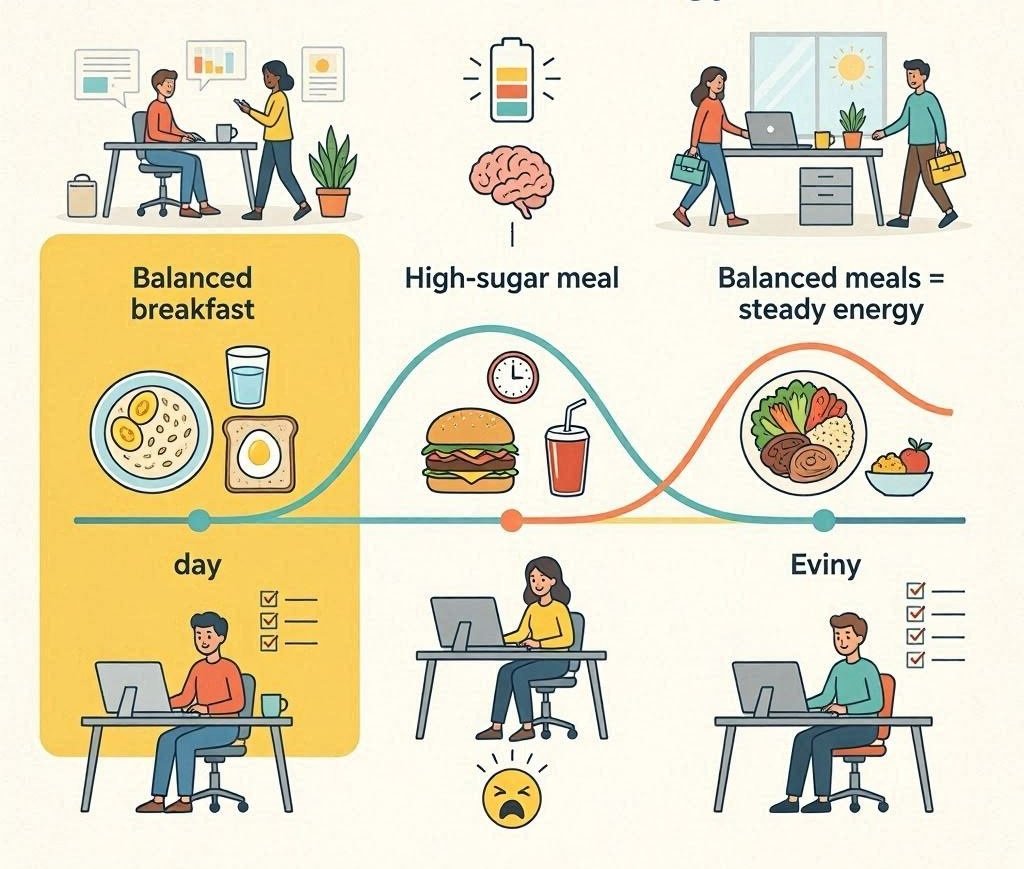
Food is not just about filling people up and satisfying their taste buds – the body needs nutrients to help produce energy, focus and help people feel good both physically and mentally throughout the day. All activity, whether walking, working, studying or exercising, needs energy, which is supplied by the foods and drinks which people eat on a regular basis. A healthy diet and eating routine help the body operate more efficiently, allowing people to have more energy, concentration and productivity. On the other hand, poor eating habits could lead to low energy, poor concentration, mood changes, and decreased physical performance due to inadequate intake of nutrients needed for optimal functioning.
Studies on food intake and energy production (food energy) provide insights into the processes involved in the body’s ability to use nutrients for energy. In addition to water, carbohydrates, proteins, fats, vitamins and minerals work together to provide fuel for healthy energy for everyday activities. Having an understanding of how nutrition affects the production of energy can assist those making food decisions to get the most out of the food they eat and reduce the need for excessive amounts of stimulants and unhealthy eating habits to boost concentration, physical endurance and wellbeing.
The way in which the body generates energy from food
The human body needs to continuously generate energy to maintain all the functions it needs, whether it’s breathing, circulation, digestion, movement, brain activity, etc. The role of food as the fuel source of the human body is based on its chemical breakdown during digestion and the release of energy into the cells of the body. This energy is used by the muscles, to help organs function and to keep the brain focused and working out the day.
Carbohydrates make up one of the main sources of energy for the body since they are broken down into glucose during digestion. Glucose is transported by the blood and taken into cells to make energy. Excess glucose is stored for later use; some glucose is used right away. This process enables persons to keep their energy in their daily activities and while they are physically active.
Fats also help in the production of energy since they are concentrated energy stores which the body can utilize when necessary. Proteins are used to help repair tissues and maintain muscles, and under special circumstances, they can even be used to provide energy. The importance of balanced nutrition for physical and mental performance is illustrated when vitamins and minerals help many of the chemical reactions that are required to make food available for use.
Eating a diverse range of nutrient rich foods regularly is key to the body’s energy production system functioning at its best. Tiredness or poor concentration can be caused by a disruption in energy balance, which can be caused by irregular eating habits, too many processed foods or lack of nutrients. A knowledge of this link between food and body function emphasises the significance of healthful nutrition for normal daily living and wellbeing.
Carbohydrates and energy and concentration
Carbohydrates are typically the body’s fuel of choice since they yield glucose to power all movement and brain activity. Carbohydrates from foods like rice, oats, potatoes, fruits, bread, grains and legumes help to maintain stamina and concentration throughout the day in daily activities. The types of carbohydrates eaten can make a huge difference in the way energy is released into the body.
The complex carbohydrates in whole grains, beans, vegetables and oats take longer to break down than highly refined carbohydrates. This slower digestion helps to keep giving a person sustained energy as the glucose is released slowly into the blood stream. This means that people may have a more stable focus and less fatigue during the day. Sugar-sweetened beverages and highly processed foods, on the other hand, can lead to a spike in blood sugar that soon leads to a crash, resulting in fatigue and poor concentration.
Because nerve cells need constant energy for memory, attention and decision making, the brain uses a lot of glucose to function normally. Low or imbalanced dietary intake of carbohydrates can lead to mental fatigue, reduced concentration or irritability. Thus, selecting healthier carb options will benefit both physical energy and brain function.
Energy levels are also affected by meal timing as long periods without meal can decrease blood sugar levels and make it harder to concentrate. Healthy carbohydrates, proteins and fats in balanced meals can help provide regular energy supply during the day and maintain productivity in the work, learning or activity.
Explain the importance of proteins and fats to the body and their role in performance
Proteins and fats also have significant roles in body function, endurance and energy. Protein plays a vital role in the maintenance, repair and production of protein enzymes which is required for a number of biological processes. While protein is not normally the body’s primary energy source, it helps to keep energy levels steady by making one feel full after eating and aids muscle recovery after exercise.
Fish, eggs, beans, dairy products, poultry, nuts and lentils are good sources of protein which helps muscles to perform their functions. Protein can help keep energy up by providing a more balanced food that may take longer to digest than a high refined sugar meal. This slower digestion helps keep you from getting hungry again and keeps blood sugar more stable.
Healthy fats are also a key component of energy production as they are a concentrated store of fuel to the body. Foods that provide unsaturated fats are good for the brain and for overall energy balance, like avocados, olive oil, nuts, seeds, and oily fish. Fats also help to absorb vitamins (A, D, E, and K), necessary for proper body function
Protein plus healthy fats and carbohydrates in a balanced ratio is most beneficial to the body. Combining foods from different food groups together in one meal may offer more sustained energy release and better fullness than meals made up of mostly processed foods. It can thus help to maintain good physical vitality and mental efficiency in daily life.
Vitamins, Minerals, and Hydration for Daily Productivity
Vitamins and minerals are necessary components because they help the body use food for energy and to function normally in a number of systems that provide physical and mental function. Iron, magnesium, potassium, B vitamins, and other nutrients are involved in circulation, nerve function, muscle function and energy metabolism. Insufficient micronutrient consumption can cause lack of energy or difficulty focusing due to the inability of the body to function efficiently with energy-related processes.
Iron is particularly significant as a part of oxygen transport in the blood. If oxygen supply is limited, individuals can have a loss of energy and stamina. B vitamins help the body convert carbohydrates, proteins and fats into energy, and magnesium is used for muscle and nervous function helping to move and concentrate throughout the day.
Hydration is also crucial for productivity, as water helps circulate, regulate temperature, aid digestion, and transport nutrients. Even slight dehydration can lead to headaches, tiredness and decreased concentration. Several people may experience fatigue due to dehydration instead of hunger, so it is crucial to drink water frequently during the day.
Fruits and vegetables provide hydration and micronutrients which are important for energy production and other health benefits. Balanced nutrition along with enough water intake maintains the efficiency of the body, which helps to promote a better functioning body for clear thinking, stamina and physical comfort in everyday activities.
The impact of poor nutrition on energy levels
The body needs to receive a regular and adequate amount of nutrients to perform efficiently; unbalanced eating may have a negative effect on physical and mental performance. Foods that are highly processed and high in sugar, unhealthy fats, or low in nutrients can give quick energy bursts and then cause the person to get drowsy and tired. These changes can lead to fatigue, poor focus and a lack of productivity.
Skipping meals also can also decrease energy level due to the absence of regular energy and food sources that are required for maintaining blood sugar levels and cell function. A long fast can make you more tired and edgy, and harder to concentrate. The sub-optimal nutrition habits can also impact sleep quality and emotional health which may impact productivity and energy.
Too much caffeine or sugar containing beverages can make them more alert at the moment, but may not actually help them support their energy needs. Overuse of stimulants and not eating balanced meals can lead to energy crashes and lack of focus over the long term. Likewise, strict diets can deprive the body of nutrients and over time prevent adequate energy production.
Healthy habits to eat can prevent the issues and enhance more stable physical and mental performance. Eating meals with a balance of nutrients, drinking fluids regularly and eating foods that are good for you helps to maintain consistent energy and a better day-to-day ability to function.
Establishing Healthy Eating Habits for better productivity
Small and regular changes in a person’s diet can have a long-lasting impact on improving nutrition without having to dramatically alter their eating habits, or follow a complicated diet. Eating a well-balanced meal with carbohydrates, proteins, healthful fat, fruits and vegetables provides steady energy and wellbeing. Eating more whole foods and less too many processed snack foods can help to improve concentration and physical performance without the need for additional supplements.
Consistency of meals also has a big role to play, since the food is to be eaten at fixed hours; it stabilizes energy levels throughout the day. Having breakfast, drinking fluids and avoiding prolonged periods of fasting could help improve concentration and allow for a decrease in unnecessary fatigue. It can be helpful to have meals pre-prepared to promote healthy eating when you are pressed for time.
The right kind of snacking can also be a factor in boosting productivity, if you select the right kinds of snacks. Foods like fruits, nuts, yogurt or whole grain snacks tend to give more consistent energy than sugary foods and snacks that give quick bursts of energy. People who listen to their hunger and fullness cues may be more likely to eat in a balanced way, instead of overeating or underfeeding the body.
Maintaining nutritional habits for sustainability is most effective when they are realistic and are in line with personal tastes. Improvements that are slowly made are more likely to be sustained than the most stringent diets, which can often be difficult to maintain, and therefore easier to achieve long-term healthy eating and better energy and productivity.
Conclusion
Nutrition directly affects the productivity, concentration and energy of the body, which requires nutrients to produce fuel for physical and mental activities. Carbohydrates, proteins, fats, vitamins, minerals and water all play a role in energy production and function in the body. Good balance of nutrition will ensure the body has the necessary resources to work effectively, maintaining stamina, concentration and emotional wellbeing.
Adopting healthy eating patterns can help you maintain optimal performance and wellbeing throughout your day, including eating a balanced meal, drinking enough water and eating foods that are rich in nutrients. On the other hand, a diet that lacks certain nutrients and those consumed at irregular intervals can cause fatigue, lack of concentration, and loss of energy. For the individual, it is important to be able to relate food consumption to energy output to guide dietary choices which will help to maintain their health, productivity and wellbeing in the long-term.