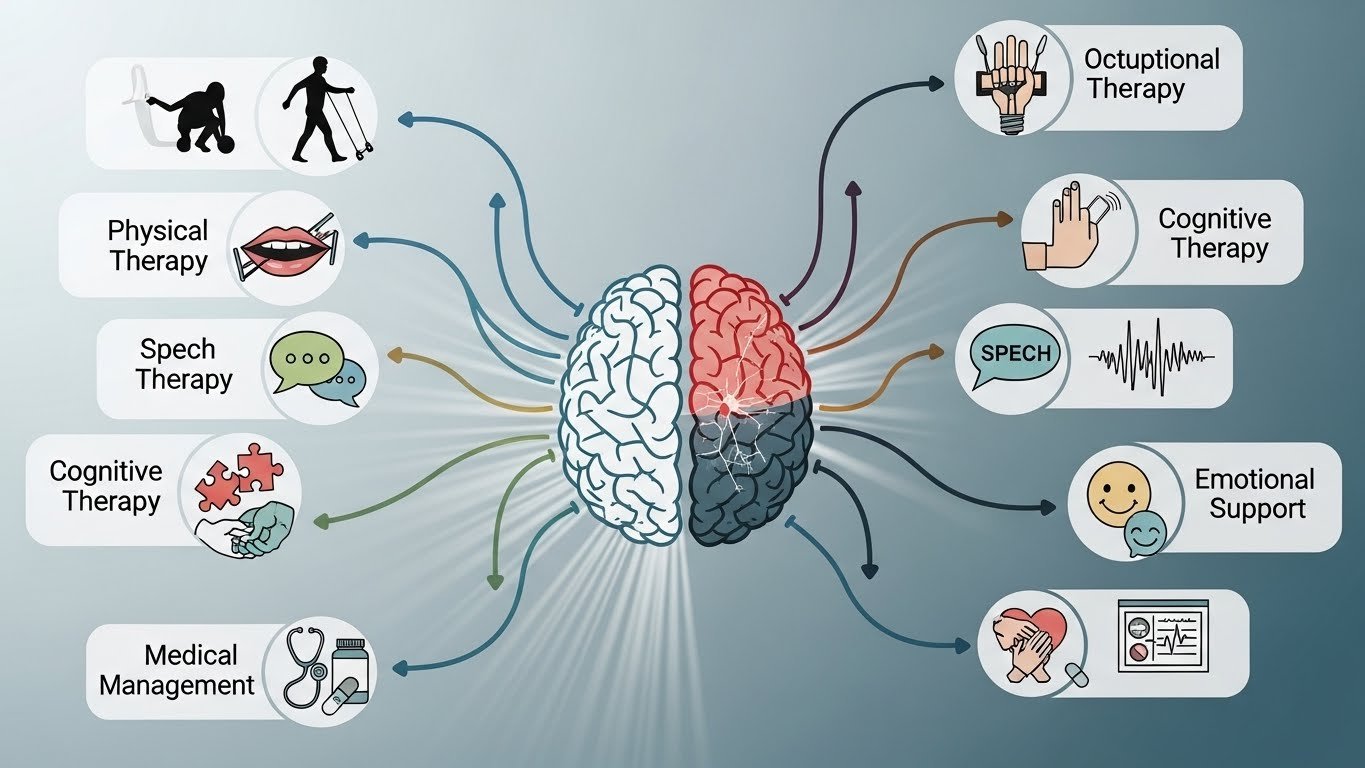
Stroke is a life-altering event that can have profound effects on an individual’s physical, cognitive, and emotional well-being. For survivors, the journey toward recovery often requires more than just medical treatment—it necessitates a coordinated and comprehensive approach that addresses multiple dimensions of rehabilitation. This is where comprehensive neuro rehabilitation programs become invaluable. By integrating physical therapy, occupational therapy, speech-language therapy, and psychological support, these programs aim to optimize recovery outcomes and help stroke survivors regain independence and quality of life.
The Scope of Neuro-Rehabilitation
Neuro-rehabilitation focuses on restoring function and improving quality of life for individuals affected by neurological conditions, including stroke, traumatic brain injury, spinal cord injury, and other central nervous system disorders. In the context of stroke, rehabilitation is essential because strokes can result in motor impairments, speech and language difficulties, cognitive deficits, and emotional challenges such as depression and anxiety.
A comprehensive neuro rehabilitation program takes a multidisciplinary approach, recognizing that stroke recovery is not one-dimensional. This integrative model involves specialists working collaboratively to create individualized treatment plans that address each patient’s unique needs.
Core Components of Comprehensive Neuro Rehabilitation
- Physical Therapy (PT)
Physical therapy is often the cornerstone of post-stroke rehabilitation. PT focuses on improving mobility, strength, balance, and coordination. Stroke survivors frequently experience hemiplegia or hemiparesis, where one side of the body is weakened or paralyzed. Through targeted exercises, gait training, and functional mobility practice, physical therapists help patients regain muscle control and enhance overall physical function. - Occupational Therapy (OT)
While physical therapy targets movement and mobility, occupational therapy emphasizes the performance of daily activities. OT assists stroke survivors in regaining the ability to perform essential tasks such as dressing, cooking, and bathing. Therapists may introduce adaptive tools and techniques to enable independence despite lingering physical limitations. This practical focus is crucial for rebuilding confidence and autonomy in everyday life. - Speech-Language Therapy
Many stroke survivors experience aphasia, dysarthria, or other speech and language disorders that impact communication. Speech-language pathologists work with patients to restore their ability to speak, comprehend, read, and write. Therapy may include exercises to improve articulation, cognitive-communication strategies, and alternative communication methods for those with severe impairments. Effective communication is vital for social reintegration and emotional well-being. - Cognitive Rehabilitation
Cognitive deficits such as memory loss, attention difficulties, and executive function impairments are common after stroke. Cognitive rehabilitation uses structured activities and exercises to enhance mental processing and problem-solving skills. Patients may engage in memory games, task sequencing exercises, and real-life simulations to improve cognitive function. Integrating cognitive therapy into a neuro-rehabilitation program ensures that recovery extends beyond physical restoration. - Psychological Support
Emotional and psychological challenges are often overlooked but can significantly affect recovery outcomes. Depression, anxiety, and frustration are common post-stroke experiences. Mental health professionals provide counseling, coping strategies, and, when necessary, psychiatric care to help patients and their families navigate the emotional landscape of recovery. Addressing these issues promotes resilience and motivation, which are critical for the success of any rehabilitation program.
Benefits of an Integrated Approach
One of the primary advantages of comprehensive neuro rehabilitation is its holistic nature. By simultaneously addressing physical, cognitive, and emotional needs, integrated programs offer a more thorough and effective recovery process. Research shows that patients who participate in multidisciplinary rehabilitation experience:
- Improved functional independence: Coordinated therapy helps restore the ability to perform daily tasks more efficiently.
- Enhanced motor recovery: Consistent and varied physical exercises promote neuroplasticity, the brain’s ability to reorganize itself after injury.
- Better cognitive outcomes: Structured cognitive therapy supports memory, attention, and problem-solving skills.
- Emotional well-being: Psychological support reduces the risk of post-stroke depression and anxiety, fostering a more positive recovery experience.
- Higher patient satisfaction: Patients and families often report greater confidence and optimism when therapy is comprehensive and personalized.
The Role of Technology in Neuro-Rehabilitation
Advancements in technology are further enhancing the effectiveness of integrated neuro-rehabilitation programs. Robotic-assisted therapy, virtual reality exercises, and tele-rehabilitation platforms allow patients to engage in targeted rehabilitation both in clinical settings and at home. These innovations promote repetitive practice, track progress, and adapt therapy to the patient’s evolving needs, thereby accelerating recovery and improving long-term outcomes.
Tailoring Rehabilitation to Individual Needs
Every stroke is different, and recovery paths vary widely among patients. A hallmark of comprehensive neuro rehabilitation is its individualized approach. Assessment tools, functional evaluations, and patient goals guide the creation of personalized rehabilitation plans. Whether a patient requires intensive inpatient therapy or structured outpatient programs, the treatment plan is designed to maximize strengths and address deficits effectively.
Conclusion
Stroke recovery is a complex, multifaceted process that demands more than isolated therapy sessions. Comprehensive neuro rehabilitation programs bring together physical therapy, occupational therapy, speech-language therapy, cognitive training, and psychological support to address the full spectrum of recovery needs. By leveraging a coordinated, patient-centered approach, these programs significantly improve functional outcomes, enhance independence, and foster emotional resilience. For stroke survivors and their families, integrated neuro-rehabilitation represents not only a pathway to recovery but also a commitment to regaining quality of life and hope for the future.