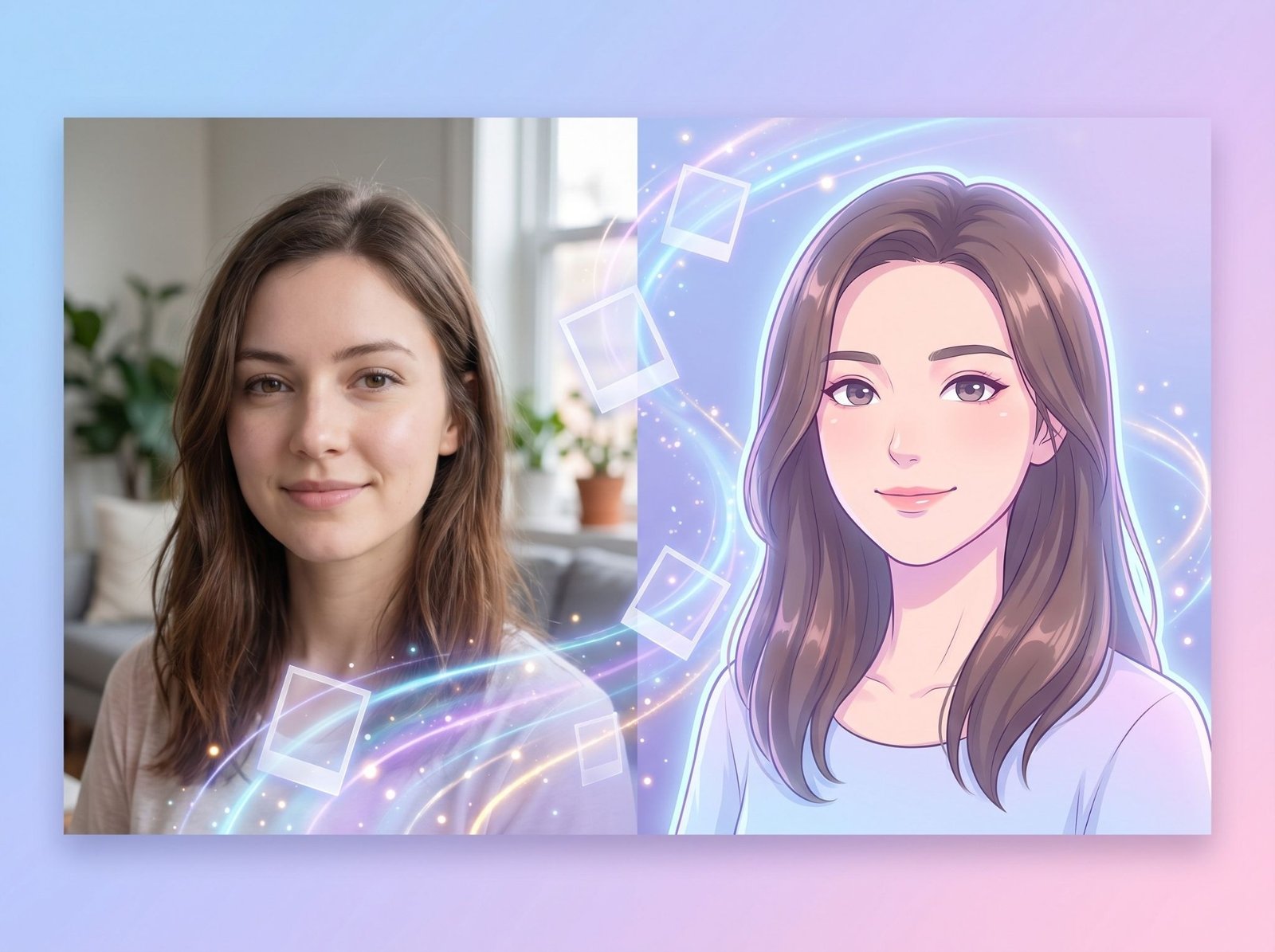
There was a point when I got tired of anime-style image tools producing faces that looked polished but strangely empty. The colors were nice. The hair was dramatic. The final image could be eye-catching for a second or two. Still, when I compared it to the original photo, something important was missing. The expression no longer felt personal. The small details that made the face recognizable had been flattened into a generic “anime look.”
That frustration is what pushed me to test different workflows more seriously. I was not looking for random stylization. I wanted a process that could turn a real face into a believable character concept without losing identity, mood, or visual balance. During that search, I ended up spending time with ocmaker.ai, mainly because I wanted something simple enough to use quickly but controlled enough to produce artwork I could actually reuse for profile images, character drafts, and visual experiments.
What I learned from that process surprised me a little. The best results did not come from dramatic source photos or highly edited selfies. They came from clear inputs, realistic expectations, and a better understanding of what makes a photo translate well into anime form.
Why most photo-to-anime results feel generic
A lot of people assume the tool is the whole story. In practice, the source image carries much more weight than most users realize.
When an anime conversion fails, the problem often starts before the upload. Flat lighting, cluttered backgrounds, over-smoothed beauty filters, and awkward camera angles all make it harder for the model to preserve the parts of a face that matter. What comes out may look stylish, but it no longer feels tied to the person in the photo.
I noticed this almost immediately in my own testing. A casual indoor selfie with mixed lighting gave me a result that looked like a random character from a mobile game. A cleaner image taken near a window, with a neutral expression and visible facial structure, produced something much better. The anime version still looked stylized, yet it kept the core feeling of the original person.
That difference changed how I approached the whole process.
The input choices that made the biggest difference
I kept notes while testing, and a few patterns showed up again and again. They may sound basic, but they had more impact than any clever prompt trick.
| Input factor | What worked better in my tests | What usually hurt the result |
| Lighting | Soft natural light, even face exposure | Harsh shadows or mixed indoor lighting |
| Expression | Relaxed, readable expression | Extreme angles or exaggerated poses |
| Background | Simple, uncluttered scene | Busy rooms or distracting objects |
| Image quality | Sharp face details | Heavy filters, blur, compression |
| Framing | Face centered or slightly off-center | Cropped forehead, cut jawline |
The table looks simple because the process is simple. Anime conversion works better when the tool can clearly “read” the person before it starts stylizing them. Once I accepted that, my results became far more consistent.
What I actually wanted from anime conversion
At first, I thought I just wanted a cool anime avatar. After a few rounds of testing, I realized that was too shallow a goal. What I really wanted was something more useful: a character image that still carried personality.
That distinction matters. A flashy image is easy to generate. A usable image is harder. Usable means I can look at it and still recognize the mood of the original photo. It means the hairstyle, face shape, and overall vibe still belong to the person, even after the style shift. It also means the result can serve different purposes, whether that is social branding, concept art, character ideation, or just turning a personal photo into something more expressive.
This is where a dedicated photo to anime workflow felt more practical than generic image effects. I was not trying to create abstract anime art from scratch. I was trying to reinterpret a specific person in a recognizable visual language.
The mistakes I stopped making
The biggest improvement in my results came from doing less.
I stopped uploading heavily edited selfies. I stopped choosing photos where the face was partially hidden by hair, hands, or sunglasses. I stopped expecting one-click perfection from weak source images. Once I removed those habits, the output improved quickly.
I also stopped treating every anime result as final art. That mindset helped a lot. Some images worked best as profile pictures. Others were more useful as character references. A few looked strong enough to inspire a full original character concept. When I judged each result by its best use instead of one universal standard, I became much more satisfied with the process.
That changed the experience from “Did the tool get everything perfect?” to “What is this version good at?” It is a much healthier way to evaluate creative software.
Where this became genuinely useful for me
The fun part is obvious. Turning a real photo into anime art is enjoyable on its own. The more interesting value showed up later.
I found the workflow useful in four specific situations:
- creating profile images that felt more expressive than ordinary selfies
- testing visual directions for original characters before commissioning art
- building moodboards for story ideas or personal branding
- making casual content that looked more distinctive on social platforms
That last point matters more than people admit. Online identity is visual now. A polished anime-style image can be playful, memorable, and personal at the same time, provided it still feels connected to the person behind it.
My honest standard for a good result
After trying enough variations, I ended up with a simple rule.
A good anime conversion should not make me say, “That looks impressive.” It should make me say, “That still feels like me.”
That is the test I care about most. If the eyes, expression, and facial rhythm still carry something familiar, the stylization has done its job. If the result looks like a beautiful stranger, then the process may be visually successful but personally weak.
That is why I think people get better outcomes when they approach this as interpretation rather than transformation. The goal is not to erase the original photo. The goal is to translate it.
Final thoughts
What started as a casual experiment turned into a more useful creative habit than I expected. I went in looking for anime-style pictures. I came out with a better understanding of how identity, style, and image quality work together.
The process is not magic, and weak photos still produce weak outcomes. Even so, when the input is clean and the expectation is grounded, photo-to-anime tools can do something genuinely interesting. They can preserve personality while changing the visual language around it.
That balance is what kept me interested. Not the novelty, not the trend, and not the promise of instant perfection. Just the fact that, with the right image and a bit of judgment, an ordinary photo can become a character portrait that still feels personal.
I loved how the article stresses keeping your own features recognizable in the anime version — that’s what separates a generic anime portrait from one that actually feels like you. The before-and-after images really sell the idea. Definitely trying this out soon.