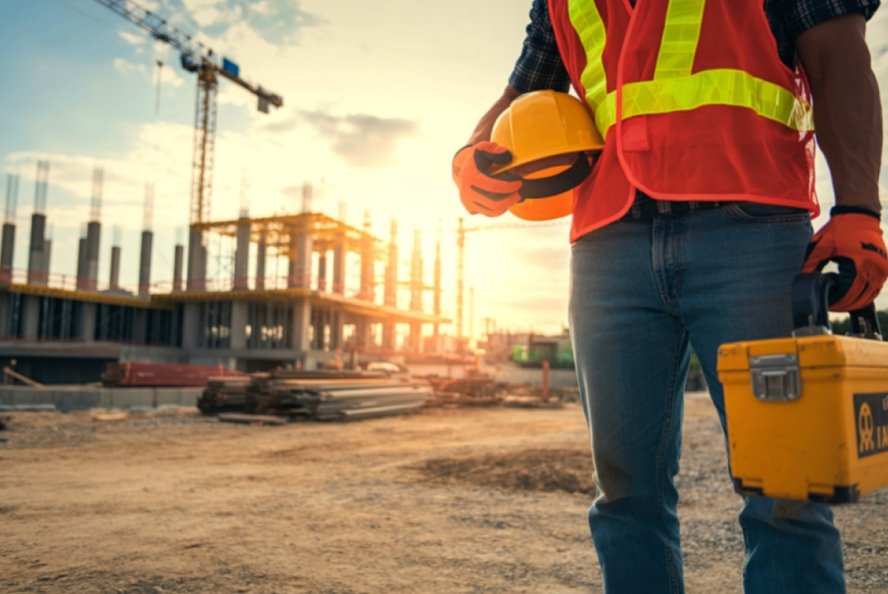
Construction sites are rarely static environments. A project can look completely different from one week to the next as structures take shape, equipment moves between areas, materials arrive, and different teams begin new stages of work. The changing nature of a construction site is one of the reasons why planning and coordination are so important.
Unlike a fixed workplace where employees may perform similar tasks in the same surroundings every day, construction crews regularly adapt to new layouts, surfaces, machinery, weather conditions, and project requirements. A site that is focused on excavation in one phase may later become a busy environment for structural work, electrical installation, finishing, or landscaping. Each stage introduces different considerations for the people working there.
Why Construction Sites Are Always Changing
A construction project typically progresses through multiple stages, and each stage brings its own activities. Early work may involve clearing land, excavation, and foundation preparation. Later stages can include structural framing, installation of building systems, interior work, and finishing.
As these activities progress, access routes and working areas can change. Materials that were once stored in one location may need to be moved to make room for new work. Temporary structures may appear, while completed sections of a project may become restricted areas.
For workers, understanding these changes is an important part of the daily routine. Supervisors and site managers need to communicate changes clearly so that teams know where work is taking place and which areas require additional attention.
Managing Movement Around the Site
Construction sites often contain a combination of workers, vehicles, lifting equipment, tools, and materials. Managing movement between these different elements requires careful planning.
Pedestrian routes may be established to separate workers from moving vehicles where practical. Equipment such as cranes, excavators, forklifts, and delivery trucks also requires designated operating areas.
These arrangements may need to change as construction progresses. A route that is suitable during foundation work may no longer be appropriate once structural elements are installed. Regular site reviews help managers identify whether existing arrangements remain suitable.
Clear signs, barriers, markings, and communication can help workers understand temporary changes and avoid unnecessary confusion.
Working Around Different Materials
Construction involves a wide variety of materials, including concrete, steel, timber, glass, insulation, cables, pipes, and finishing products. These materials often arrive at different stages of a project and may need to be stored temporarily before installation.
Storage areas need to be organised carefully to avoid blocking access routes or creating unnecessary obstacles. Heavy materials may require mechanical handling equipment, while smaller components can be moved manually.
The way materials are stored can also affect productivity. If frequently used items are located too far from the work area, employees may spend additional time moving back and forth. Good planning therefore considers both accessibility and safe storage.
Tools and Equipment
Construction workers use a wide range of tools, from simple hand tools to sophisticated powered equipment. Drills, grinders, saws, cutting equipment, compressors, and other machinery can make construction tasks considerably more efficient.
However, different tools create different operating conditions. Some may generate dust or debris, while others can produce noise, vibration, heat, or small particles during use.
Workers are generally trained to understand the equipment they operate and the conditions associated with specific tasks. Equipment inspections are also important because damaged or poorly maintained tools can create unnecessary problems during a project.
For tasks that involve potential exposure to dust, flying particles, or debris, protective eyewear for workplace safety can be one component of a broader approach to managing workplace hazards.
Adapting to Weather
Outdoor construction crews frequently have to work around changing weather conditions. Heat, rain, strong winds, and reduced visibility can affect both productivity and working conditions.
Hot weather can make physically demanding tasks more challenging, particularly when workers spend long periods outdoors. Teams may need to consider scheduling, hydration, rest periods, and access to shaded areas.
Rain can create slippery surfaces and affect excavation areas, electrical work, material handling, and access routes. Strong winds may also influence the safe use of lifting equipment or work involving elevated structures.
Weather conditions are therefore monitored as part of routine site management. In some situations, work may need to be adjusted or temporarily postponed when conditions become unsuitable.
Communication Between Different Teams
Large construction projects can involve many contractors and specialist teams working in the same general area. Electricians, plumbers, structural workers, painters, equipment operators, and other specialists may all have different schedules and requirements.
Good communication helps these groups coordinate their activities. Before beginning work, teams may review which areas are available, what other activities are taking place nearby, and whether there are changes to the project schedule.
Daily briefings can help workers understand the day’s priorities. More detailed coordination may also be required when several teams need to work in the same area simultaneously.
Keeping Work Areas Organised
Housekeeping is an often-overlooked part of construction site management. Tools, packaging, cables, offcuts, and unused materials can accumulate quickly during a busy project.
Keeping work areas organised helps crews locate tools and materials more easily while reducing unnecessary obstacles. Waste materials can be removed regularly, and designated storage areas can prevent equipment from being left in active pathways.
Good housekeeping also makes it easier to identify changes in the work environment. A clear and organised site gives workers better visibility of routes, equipment, and other activities taking place nearby.
Training for Changing Conditions
Construction workers need both technical skills and the ability to adapt to changing circumstances. Training may cover equipment operation, site procedures, emergency response, material handling, and task-specific requirements.
As projects progress, workers may also receive additional instructions when new activities begin. A crew that has been working primarily on structural tasks may need to adapt its approach when the project moves into electrical or finishing stages.
Refresher training and regular communication can help ensure workers remain familiar with current site conditions.
The Role of Site Inspections
Regular inspections allow construction managers to identify potential problems before they become more significant. These inspections may cover access routes, equipment, storage areas, temporary structures, work surfaces, and ongoing activities.
Site inspections are particularly useful when major changes have recently taken place. Moving equipment, completing a structural section, or beginning a new phase of work can introduce conditions that were not present during an earlier inspection.
Recording observations and following up on identified issues can help maintain consistent standards throughout the project.
Balancing Efficiency and Safety
Construction companies need to balance productivity with responsible site management. Completing work quickly is valuable, but rushing tasks or overlooking changing conditions can create unnecessary problems.
Efficient sites are often those where planning is integrated into everyday operations. Materials arrive when they are needed, workers understand their responsibilities, equipment is maintained, and different teams coordinate their activities.
This approach can reduce delays while making it easier for workers to concentrate on their tasks.
Looking Ahead
Construction methods continue to evolve as companies adopt new technologies and project management techniques. Digital planning systems, drones, automated equipment, building information modelling, and connected devices are increasingly being used to improve visibility and coordination.
These technologies can help site managers understand how work is progressing and identify potential issues earlier. However, technology remains only one part of successful construction management.
The experience of workers and supervisors remains essential because construction sites can change in ways that are difficult to predict entirely through digital systems.
Conclusion
Changing site conditions are an unavoidable part of construction work. As projects move through different stages, crews must adapt to new layouts, materials, equipment, weather conditions, and work activities.
Clear communication, organised work areas, regular inspections, appropriate training, and thoughtful planning all help construction teams manage these changes effectively. By treating adaptability as a normal part of project operations, construction companies can create more organised and productive worksites while helping employees respond confidently to the challenges of each stage.
The construction industry will continue to adopt new technologies and working methods, but the ability to assess changing conditions and communicate effectively will remain an important part of successful project delivery.