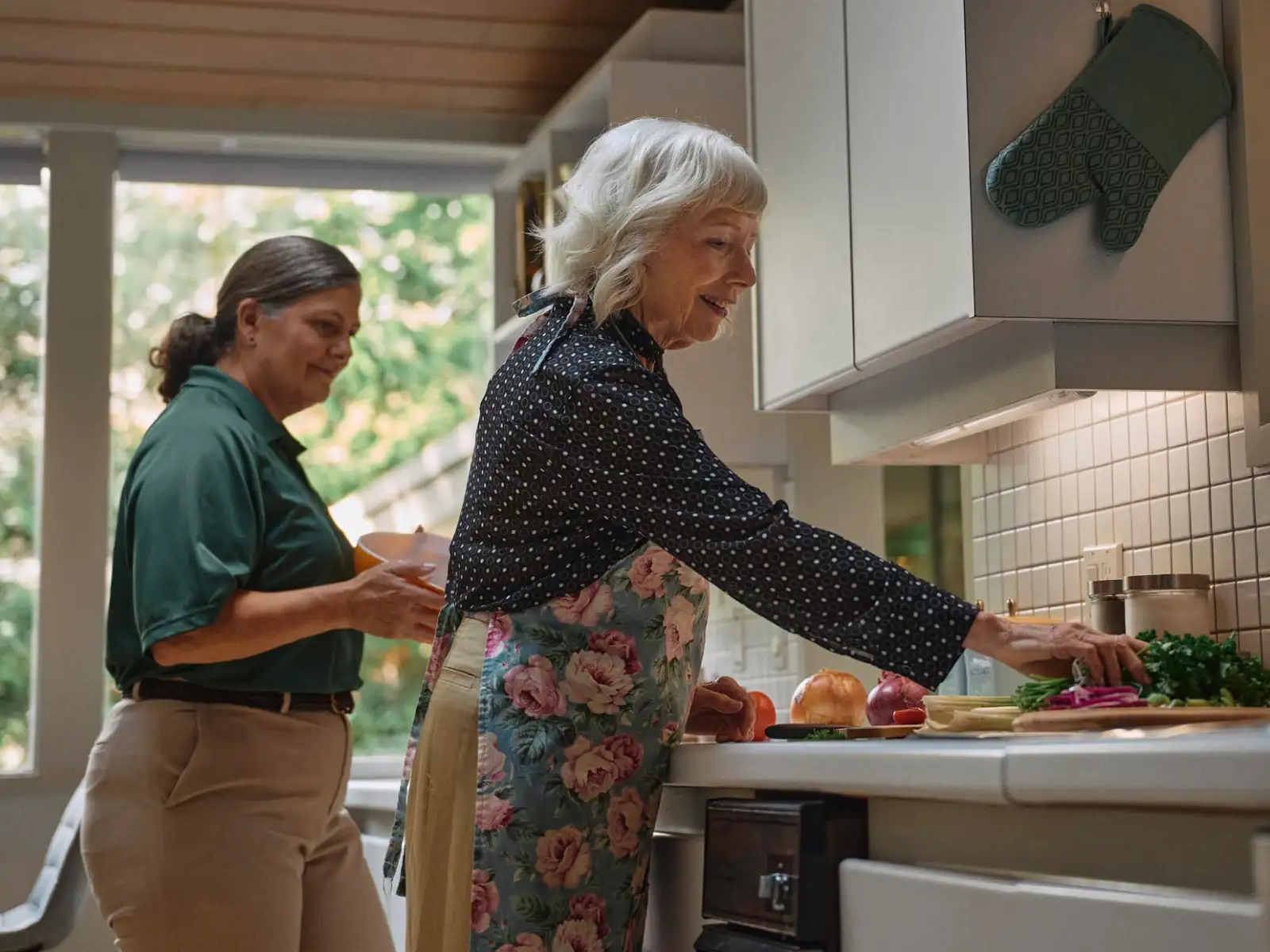
Adapting Support to Personal Routines
Personalized in-home care adapts to each client’s unique routines, helping people continue daily life in familiar surroundings, notes TrueNest Property Management group. The process often starts with an assessment covering physical needs, like mobility or hygiene, emotional state and home safety. For example, some individuals may want help standing and dressing in the morning, while others might prefer evening companionship during meal times.
Matching caregiver availability and skills to a client’s habits makes the most significant difference. This approach ensures that support arrives when people need it most and gives added peace of mind. Clients often feel more comfortable and independent when care blends into their natural schedule, rather than forcing change. Personal care that respects these patterns helps maintain confidence and satisfies clients and families.
Essential Home Care Services in Charleston SC
Home care agencies provide a range of essential services. These include:
| Service | Typical Use Case | Main Benefit |
| Personal hygiene | Bathing, dressing, grooming | Safety, dignity, comfort |
| Meal preparation | Planning and cooking regular meals | Nutrition, convenience |
| Medication reminders | Tracking schedules, prompting doses | Health, consistency |
| Light housekeeping | Cleaning, laundry, organizing | Clean environment, order |
| Companionship | Conversation, shared activities | Emotional support, well-being |
Providers may also offer wellness check-ins or memory-care activities for those with dementia. These services give extra reassurance, promote social connection, and respond to changing needs. Home care is moving toward more flexible and proactive support, such as regular wellness visits and engaging cognitive exercises, to help clients maintain independence.
Key Criteria for Choosing a Trusted In-Home Care Partner
Selecting a reliable in-home care provider requires careful vetting. Start by confirming proper licensing and verifying caregivers’ qualifications. Ask about safety procedures for emergencies and infection control. A provider’s ability to accommodate schedule changes is also essential.
Before deciding, review client experiences and look for third-party accreditation. High staff retention often signals a supportive work environment. For a convenient reference, use a local directory like home care Charleston SC to compare trusted agencies in one place. Choosing a partner whose values align with the client’s preferences ensures a smoother, more comfortable relationship.
Leveraging Technology in Charleston SC Home-Based Care
Technology tools can strengthen home-based care. Telehealth visits, remote monitoring devices, and secure messaging apps let caregivers and families check on health status and coordinate care between visits. These tools improve communication and help detect concerns early.
Yet, digital tools work best as a supplement—not a replacement—for in-person support. Regular caregiver visits remain vital for social connection and hands-on help. When using technology, agencies protect client data with encryption and provide user training to keep information secure and accessible for everyone involved.
Measuring Outcomes in Personalized In-Home Support
Tracking outcomes helps gauge the effectiveness of in-home care. Common metrics include:
- Satisfaction surveys from clients and families
- Incident rates, such as falls or missed medications
- Progress on independence goals (e.g., self-care, mobility)
Regular progress reviews allow agencies and families to adjust care plans. Organizations like the Home Care Association of America report that clients receiving coordinated home care often report greater satisfaction and fewer hospitalizations. By focusing on clear data, families and providers can work together to improve quality and independence for clients over time.
Next Steps: Making Confident In-Home Care Choices
Start by compiling a shortlist of thoroughly checked providers. Arrange trial caregiver visits to see how well candidates fit daily needs. Include family and trusted advisors in the decision-making process. Create a personalized checklist to guide priorities and questions during interviews. Research, teamwork, and honest communication help families move forward with confidence. Take time to consider every need and preference—then reach out to discover in-home support that helps maintain daily independence.