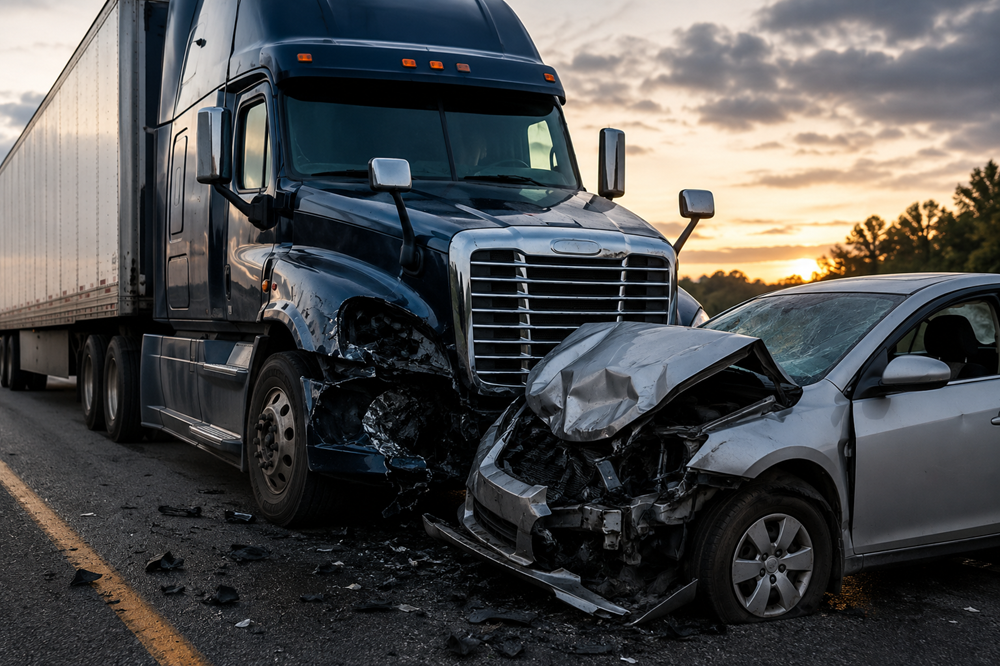
An 18-wheeler crash claim carries risks that a routine car accident rarely presents. Injuries may involve the brain, spine, chest, or limbs, and recovery can affect work, sleep, movement, and family routines. Several companies may also influence what happened before impact. For communities, clear early choices matter because records can vanish, memories fade, and medical costs often grow before a claim is ready for review.
Early Case Direction
After a commercial truck wreck, early direction can protect facts before they disappear. A legal team may request crash reports, driver logs, repair records, dispatch notes, and witness accounts. Guidance from Brian White explains why preparation matters after road incidents, especially where rural highways, long travel distances, oilfield traffic, and heavy vehicles often cross paths.
More Than Two Drivers
A car accident often centers on two motorists and their insurance companies. An 18-wheeler claim can involve the truck driver, motor carrier, broker, shipper, maintenance shop, and cargo loader. Each party may control records that show how risk developed. That broader cast can affect fault, coverage, settlement posture, and courtroom proof.
Federal Rules Matter
Commercial truck drivers and carriers must follow federal safety rules. These standards govern driving hours, inspection duties, drug testing, training, and vehicle upkeep. A violation may strengthen a claim when it connects to the collision. Passenger vehicle cases usually depend more on state traffic laws, police findings, road conditions, and ordinary driver conduct.
Evidence Is Different
Truck cases often turn on electronic control data, dash cameras, dispatch records, trip sheets, and driver qualification files. Some information can get overwritten, deleted, or discarded within a short period. Preservation letters can stop that loss. In a car case, evidence usually includes photographs, repair estimates, medical records, police reports, and witness statements.
Injuries Often Cost More
A tractor-trailer can cause traumatic brain injury, spinal cord damage, rib fractures, burns, internal bleeding, and crushed limbs. Treatment may require surgery, rehabilitation, medication, mobility equipment, or in-home care. Lost earning capacity can become a central issue. A smaller crash can still cause harm, but truck claims often involve more profound financial and physical consequences.
Insurance Layers
Commercial trucking policies often carry higher limits than personal auto coverage. Additional insurance may apply through trailer owners, freight brokers, contractors, or umbrella policies. Finding every available source matters because catastrophic injuries can exceed one policy limit. A standard car accident usually involves fewer insurers and a narrower coverage review.
Company Records
A carrier’s internal records can reveal warning signs that a roadside report misses. Hiring files, safety audits, prior violations, maintenance logs, and route instructions may indicate preventable danger. Those materials can also show whether a driver faced pressure to meet unsafe schedules. In car accident cases, similar company-level evidence rarely exists.
Cargo And Maintenance
Truck safety depends on more than careful driving. Poor brake service, worn tires, overloaded trailers, and unsecured freight can turn a routine haul into a violent crash. A repair contractor or cargo loader may share responsibility. Standard car claims seldom require the same mechanical review, weight analysis, or loading assessment.
Fault Can Be Shared
Texas applies proportionate responsibility so that fault percentages can affect compensation. Truck defendants may argue that a passenger vehicle driver helped cause the crash. Reconstruction work can address speed, stopping distance, lane position, visibility, and reaction time. Those facts matter because a loaded tractor-trailer needs far more room to slow.
Investigation Takes Specialists
Truck claims may require accident reconstruction experts, medical planners, vocational analysts, and trucking safety consultants. Their work can explain impact forces, future care needs, work limits, and carrier practices. A car crash may also require expert support, but truck litigation often needs a wider team from the start.
Settlement Pressure
Insurers may act quickly after a serious truck crash. Early offers can seem practical while medical facts remain incomplete. Families may not yet know future treatment needs, wage loss, or permanent work limits. Waiting for a clearer picture of the damage can prevent undervaluing a claim, especially when injuries affect movement, concentration, or daily care.
Court Strategy
A truck case may examine corporate conduct as well as driver error. Lawyers may review training systems, dispatch choices, safety culture, and maintenance oversight. That makes the case more document-heavy than a car accident lawsuit. Clear timelines, organized records, and consistent medical proof help keep the claim focused.
Conclusion
An 18-wheeler crash claim differs from a car accident case because the investigation reaches farther, the evidence is more technical, and the injuries often require longer care. Several parties may share blame, while commercial safety rules can shape the outcome. For families and road users, early action, organized records, and careful legal review can make a meaningful difference after a truck collision.